Waters and Bessent Clash Over Trump Tariffs’ Impact on Inflation and Housing Affordability
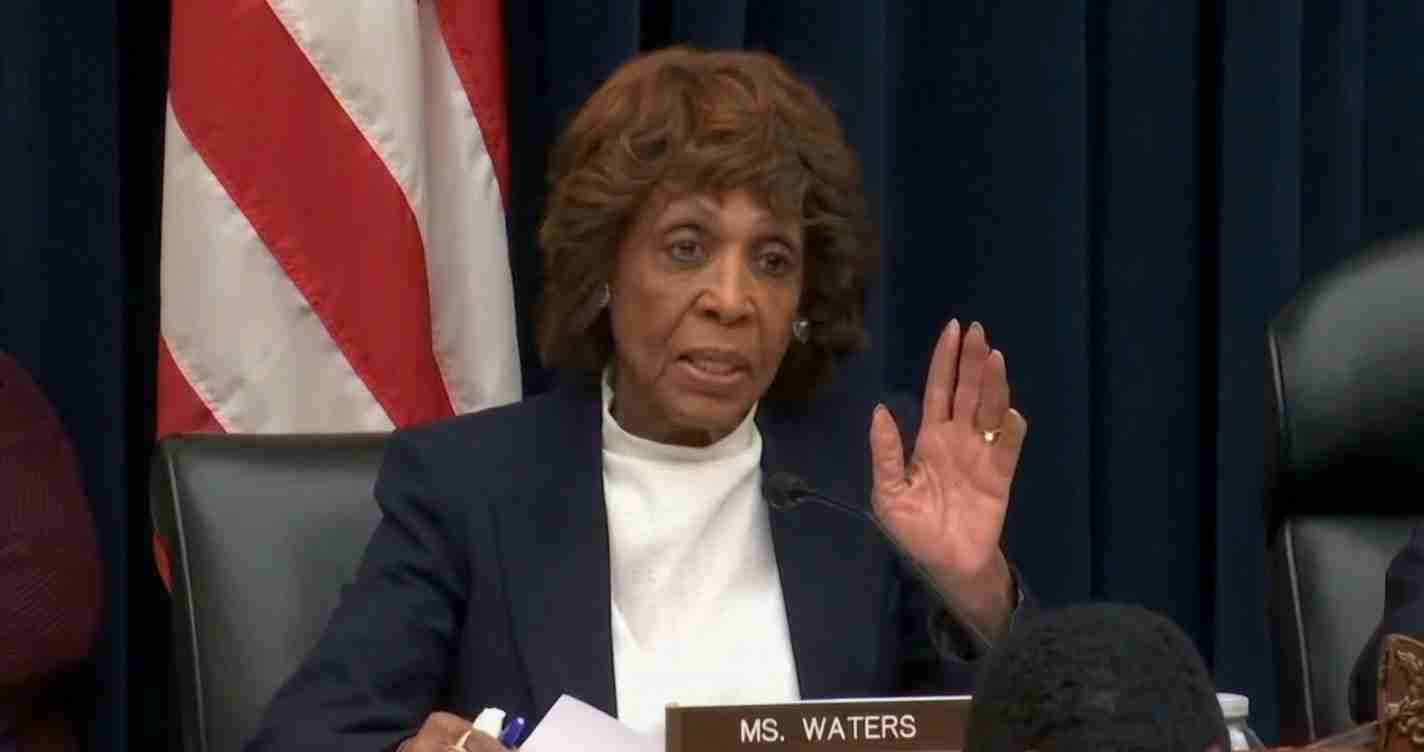
In a heated House Financial Services Committee hearing, Rep. Maxine Waters pressed Treasury Secretary Scott Bessent on whether President Trump’s tariffs are driving inflation and worsening housing affordability, escalating into a fierce exchange over economic claims and administration policy.
Key takeaways
- High-stakes hearing: Rep. Maxine Waters repeatedly pressed Treasury Secretary Scott Bessent on whether tariffs are raising prices and harming housing affordability, citing past statements and administration actions (Fortune).
- Contrasting views: Bessent said tariffs are not a primary driver of inflation and pointed to long-run data, while Waters argued modest tariff-induced price rises can meaningfully hurt families and builders (Fortune).
- Heated exchange: Waters demanded a yes-or-no commitment to urge tariff relief and at one point asked, “Can you shut him up?” amid procedural interruptions (Fox News; Economic Times).
- Local stakes: Redding and Shasta County could face higher building and grocery costs, potentially slowing homebuilding and straining renters and fixed-income residents (Fortune).
Background: the hearing and the dispute
Waters zeroed in on apparent contradictions in Bessent’s past statements. She cited a February 2024 letter to hedge fund clients in which Bessent reportedly wrote that “tariffs are inflationary and would strengthen the dollar,” then contrasted that with testimony downplaying a tariff link to consumer prices (Fortune).
The coffee-and-bananas point and an apparent contradiction
Waters referenced a November comment Bessent made to Fox News saying the government would lower tariffs on items like coffee and bananas “to bring the prices down very quickly.” She asked why such an announcement would be necessary if tariffs did not affect retail prices (Fortune).
Bessent’s defense
Bessent leaned on historical analysis: he cited a San Francisco Federal Reserve study and “150 years of data,” arguing major inflation episodes typically stem from wars, oil shocks or monetary policy rather than tariffs. He emphasized that trade duties are a relatively small share of GDP and aggregate spending (Fortune).
Housing affordability: lumber, steel and construction costs
A central focus was how tariffs affect housing. Waters argued duties on lumber, steel and appliances raise costs for homebuilders and could reduce the number of new homes, warning tariffs might mean “half a million fewer homes built” at a time of critical need (Fortune).
Bessent countered that lumber was trading near a five‑year low; Waters cut him off and reclaimed the floor. Subsequent fact checks showed lumber futures at $589.50 — higher than $469 in January 2023 — contradicting the five‑year‑low claim (Fortune).
Waters’ direct challenge
Waters demanded clarity: she asked, “Will you be the voice of reason in this administration and urge President Trump to stop waging a war on American consumers, harming housing affordability, and putting the economy at risk? Yes or no. You don’t have to explain.” Bessent began to answer before the committee chair intervened, underscoring the partisan intensity around trade policy (Fox News).
Research context: where the economists stand
Economists remain divided. Some studies find high pass-through from import duties to retail prices and conclude tariff actions contributed notably to goods-price inflation and to costs in concentrated supply chains such as building materials. Waters’ questioning drew on this body of research (Fortune).
Bessent represents the view that tariffs are a modest share of consumption and that much recent inflation has been service-driven. The hearing highlighted that tariffs can be small in aggregate but still meaningful for tight household budgets and sector-specific exposure (Fortune).
Legal backdrop and what’s next
The administration awaits a Supreme Court ruling on whether some 2025 trade duties exceeded presidential authority. That decision could reshape the scope of current tariffs and determine whether past duties are overturned, with wide implications for trade policy and markets (Fox News).
Implications for Redding, California
Economic impact
- Higher costs for building materials: tariffs on lumber, steel and appliances can raise construction costs, potentially slowing new-home building or increasing remodel prices in Redding and Shasta County (Fortune).
- Consumer prices: tariff-driven increases on everyday goods — from coffee and bananas to appliances — can squeeze household budgets, especially for conservative households focused on fiscal restraint.
Political consequences
- Local officials and candidates may use tariff impacts as campaign issues in conservative-leaning areas, highlighting higher costs, housing shortages and federal overreach.
- If the Supreme Court curtails tariff authority, the move could ease price pressures and become a talking point for leaders who favor market-friendly trade policies (Fox News).
Social effects
- Homebuilding delays or higher mortgage and construction costs could push more people into an already tight rental market, straining lower- and middle-income households.
- Higher grocery and retail costs hit seniors and fixed-income residents hardest; local food banks and service groups may see rising demand.
Cultural relevance
- Redding’s cultural emphasis on self-reliance and affordability means federal policies that raise living costs will likely spark local debate about trade policy and pocketbook impacts.
Practical applications for residents
- Homebuyers and builders: monitor tariff developments; price shifts for lumber, steel and appliances can change project budgets quickly, prompting alternative sourcing or delays.
- Consumers: watch for announcements about tariff reductions on staples — price changes for coffee, produce and household goods may appear locally after federal moves (Fortune).
Conclusion
The Waters–Bessent hearing underscored deep disagreements over trade policy and the real-world consequences of tariffs. For Redding residents focused on housing, groceries and local jobs, the hearing — and pending court decisions — carry practical stakes for daily life and local politics (Fortune; Fox News).
Sources for this report
- Fortune: “Scott Bessent, Trump tariffs, inflation, Maxine Waters hearing”
- Fox News: “Can you shut him up? Waters, Treasury’s Bessent clash”
- Economic Times: video coverage