
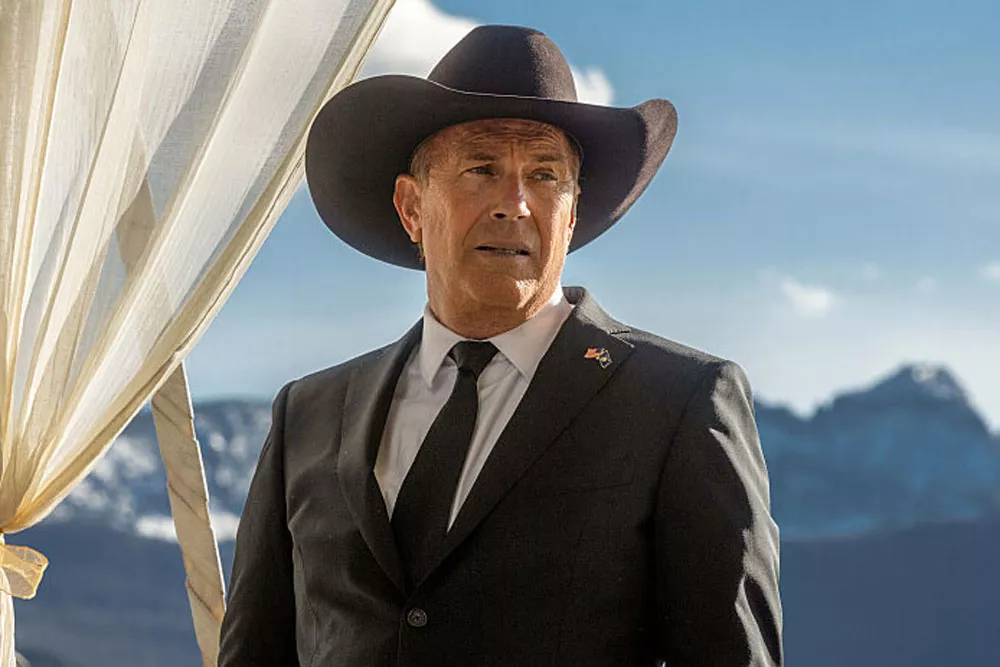
Kevin Costner Says Future Projects ‘Don’t Have to Be a Western’ After Yellowstone Success — Open to New Directions Beyond Horizon
After Yellowstone and the multi-part Horizon project, Kevin Costner says his future projects “don’t have to be a western,” signalling he’ll pursue work that interests him creatively and may explore genres beyond traditional Westerns and formats.
- Costner says his next projects “don’t have to be a western” and he’ll follow work that interests him personally — YouTube (Radio Times clip).
- He’s long been associated with Westerns through Yellowstone and Horizon: An American Saga, but is open to other genres and formats — YouTube.
- Departure from Yellowstone was reportedly due to scheduling conflicts tied to the ambitious, multi-part Horizon films — NBC Insider and CBS News.
Costner signals creative freedom beyond the Western
Kevin Costner, long identified with contemporary Western drama, told interviewers he doesn’t feel boxed into one genre. He said,
“For my next projects, I’m willing to do anything where I feel like what I’m doing is for myself. It doesn’t have to be a western. It could be something else. But when something is no longer interesting to me or there’s some other reason that I need to move on, I’m willing to do that.”
Those remarks aired in a clip available on YouTube (Radio Times clip).
He also compared formats — from short stories and short films to novels and epics — saying the form should serve the story. That perspective underlines a willingness to experiment with new narratives, styles and shorter formats rather than remain tied strictly to Westerns (YouTube).
Why he left Yellowstone: scheduling and Horizon
Public reporting points to a practical cause for Costner’s exit from the Paramount series: scheduling conflicts created by his commitment to the Horizon films. The multi-part saga demanded extended production, editing and promotion time, making it difficult to balance both commitments (NBC Insider; CBS News).
Horizon and the demands of an epic
Horizon: An American Saga is Costner’s passion project — written, directed and produced by him — and the scale required years of work. His heavy investment in the project helps explain both the public focus on Horizon and the practical tension it created with ongoing television duties (CBS News).
What his remarks mean for his brand and fans
For audiences who associate Costner with cowboy grit and Western landscapes, this openness to other genres is notable. It may signal a shift in brand identity while still allowing him to pursue themes — such as faith, family and responsibility — that resonate with conservative and traditional viewers.
Creative flexibility could let Costner reach new audiences and tackle contemporary topics in different ways, increasing variety in projects that carry his name.
Implications for Redding, California
Economic impact
Redding and the Shasta region may feel indirect economic effects. If Costner’s future projects diversify, local theaters could see different programming at home release and streaming windows. Should he choose Northern California for location shooting, vendors, crew, hospitality and rentals could benefit. There is no public indication yet that Redding will be a filming location, but a broader slate of projects increases the possibility (CBS News; YouTube).
Political consequences
Conservative residents may interpret Costner’s focus on personal choice as aligned with values of self-direction and responsibility. Local leaders who use media to promote regional values might find partnership opportunities if future projects align with community interests.
Social effects
A move away from exclusively Western narratives could introduce more varied portrayals of American life, enabling local arts groups and film programs to broaden curricula, host panels and engage audiences on leadership, duty and family themes.
Cultural relevance
Western themes remain culturally resonant, but Costner’s exploration of other genres doesn’t erase that bond; it simply opens the door to different stories that can still reflect values familiar to Redding audiences.
Practical applications for residents
- Local theaters and film clubs can promote Costner screenings to attract both long-time Western fans and audiences for new genres (YouTube).
- Film students and local crews should monitor casting and crew notices; diversified projects increase technical and artistic opportunities (CBS News).
- Cultural organizations could host panels on storytelling and genre evolution to engage conservative audiences in conversations about values and creative independence.
Reporting notes and sources
This article is based on Costner’s interview statements and reporting about his departure from Yellowstone and his commitments to Horizon. Interview clips and reporting cited below provide the public record:
- YouTube (Radio Times clip) — Costner interview clip declaring openness to non-Western projects.
- YouTube — Additional interview clip discussing career range.
- NBC Insider — Reporting on scheduling conflicts and departure from Yellowstone.
- CBS News — Coverage of Horizon and Costner’s commitments.
Reporting assembled from the above interview excerpts and news coverage; all facts and original URLs have been preserved as linked sources.



