
Federal Judge Blocks Koi Nation Casino Approval, Orders Federal Re-Do of Shiloh Casino Project
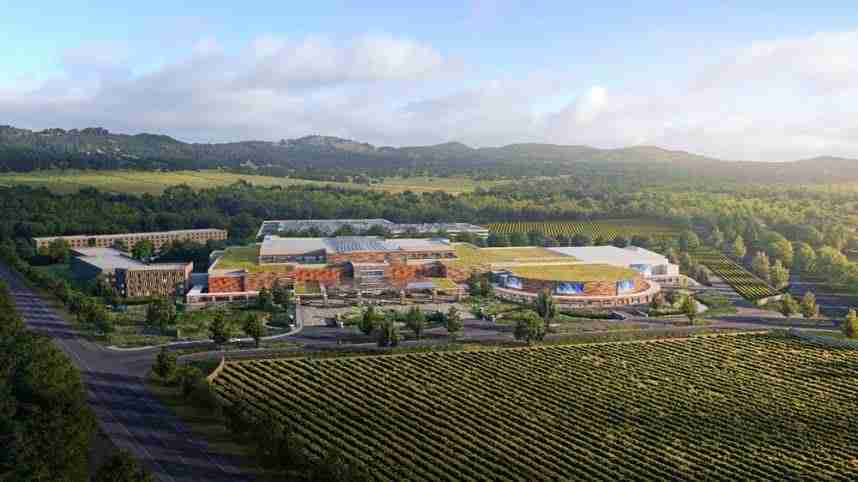
Judge Rita F. Lin vacated the Department of the Interior’s approval of the Koi Nation’s proposed $600 million Shiloh Casino and Resort, ordering a new federal review that pauses construction and creates a legal precedent on restored‑lands IGRA analysis.
- Federal court vacated DOI approval, requiring a new, more rigorous review of the Koi Nation’s ties to the land.
- Project delay and precedent: The decision could tighten BIA restored‑lands scrutiny for future tribal casinos.
- Local and tribal stakes: Nearby tribes and state officials challenged the approval, citing weak evidence and procedural flaws.
Key information
Project: Koi Nation’s Shiloh Casino and Resort — a proposed $600 million Sonoma County casino with a 400‑room hotel and major gaming floor; developers said it would create about 1,100 permanent jobs (sources: NewsNet5, 500 Nations).
Ruling: U.S. District Judge Rita F. Lin vacated the Department of the Interior’s approval and ordered a new federal review, finding parts of the decision arbitrary and unsupported (sources: NewsNet5, BIA decision package, CasinoBeats).
Plaintiffs: Federated Indians of Graton Rancheria (FIGR), operators of a nearby casino, challenged the approval citing weak evidence of the Koi Nation’s historical ties to the land and procedural flaws under the Indian Gaming Regulatory Act (IGRA) (sources: NewsNet5, JD Supra).
Next steps: The court ordered parties to meet and propose a final judgment by Sept. 16, 2025. The DOI must conduct a new, more thorough review that may include broader investigation of tribal ties and consultation with state and local officials (source: CasinoBeats).
Background: the Shiloh Casino project and local stakes
The Shiloh Casino project, proposed by the Koi Nation near Windsor in Sonoma County, promised a large resort with a 400‑room hotel, extensive gaming space and supporting amenities. Developers promoted the project as a path to tribal self‑sufficiency and regional investment, while opponents warned of economic and community impacts (sources: NewsNet5, 500 Nations).
Legal challenge and the court’s findings
The Federated Indians of Graton Rancheria filed suit against the DOI’s approval, arguing the Koi Nation failed to satisfy the legal tests required to place the Shiloh site into federal trust for gaming under IGRA’s restored lands exception. FIGR operates an existing casino in the region and emphasized protection of its investments and jobs (sources: NewsNet5, JD Supra).
Judge Rita F. Lin found the DOI’s record lacked adequate evidence of the Koi Nation’s “significant historical connection” to the Shiloh site. The court criticized how the DOI weighed trade route records, census documentation and burial‑site evidence, concluding some regulatory applications were “arbitrary” and “not in accordance with the law.”
The court concluded the DOI’s findings did not clearly support placing the land into trust under the restored‑lands exception.
References: BIA decision package, JD Supra analysis, NewsNet5 reporting.
Federal review issues and precedent
By vacating the DOI approval and ordering a new review, the court requires a more detailed factual record. Expect expanded archaeological surveys, deeper historical research, and enhanced consultations with state and local officials. Legal analysts say this could alter how the BIA interprets restored‑lands rules and slow future casino approvals nationwide (sources: JD Supra, CasinoBeats).
State and tribal opposition
California officials raised concerns about DOI consultation with state authorities and possible community impacts. Governor‑backed opposition added political weight to the legal fight, focusing on traffic, environment, and competition with established tribal gaming operators (source: NewsNet5).
FIGR argued the Koi Nation lacked the necessary historical ties to the Shiloh lands and that approval threatened existing tribal revenues and jobs (sources: 500 Nations, NewsNet5).
Koi Nation’s position
The Koi Nation maintains the project is essential to tribal economic recovery and long‑term self‑sufficiency. Tribal leaders defend the DOI’s initial record as reasonable and stress the project’s job and investment potential (source: CasinoBeats).
What happens next
The court ordered parties to meet and propose a final judgment by Sept. 16, 2025. The DOI must reopen its review and address the court’s criticisms, which may include:
- Expanded archaeological and historical investigations;
- New consultation with state, local and tribal governments;
- Revised administrative findings that directly support any trust decision under IGRA’s restored‑lands exception.
This extended process will delay construction and financing and raises questions about whether the Koi Nation can meet the legal standard for restored‑lands gaming (sources: CasinoBeats, BIA decision package).
Implications for Redding, California
Economic ripple effects: Though Redding sits more than 80 miles north of Windsor, local leaders and contractors eyed potential construction and tourism gains tied to a $600 million development. With the project on hold, those opportunities are uncertain.
Gaming competition and market stability: The ruling preserves current regional market dynamics and may relieve competitive pressure on existing Northern California gaming venues.
Local control and regulatory precedent: The case reinforces judicial oversight and could strengthen local government influence in future federal trust and gaming decisions.
Fiscal and public‑safety concerns: Tighter DOI review may give local jurisdictions more time to negotiate mitigation for traffic, emergency services and law enforcement impacts.
Political and legal landscape: Conservative readers may see the ruling as an affirmation of rule‑of‑law scrutiny over agency action and a reminder that federal approvals can be overturned if records are inadequate.
Tribal relations and regional cooperation: The dispute highlights intertribal tensions that could affect regional planning, preservation and economic partnerships across Northern California.


