
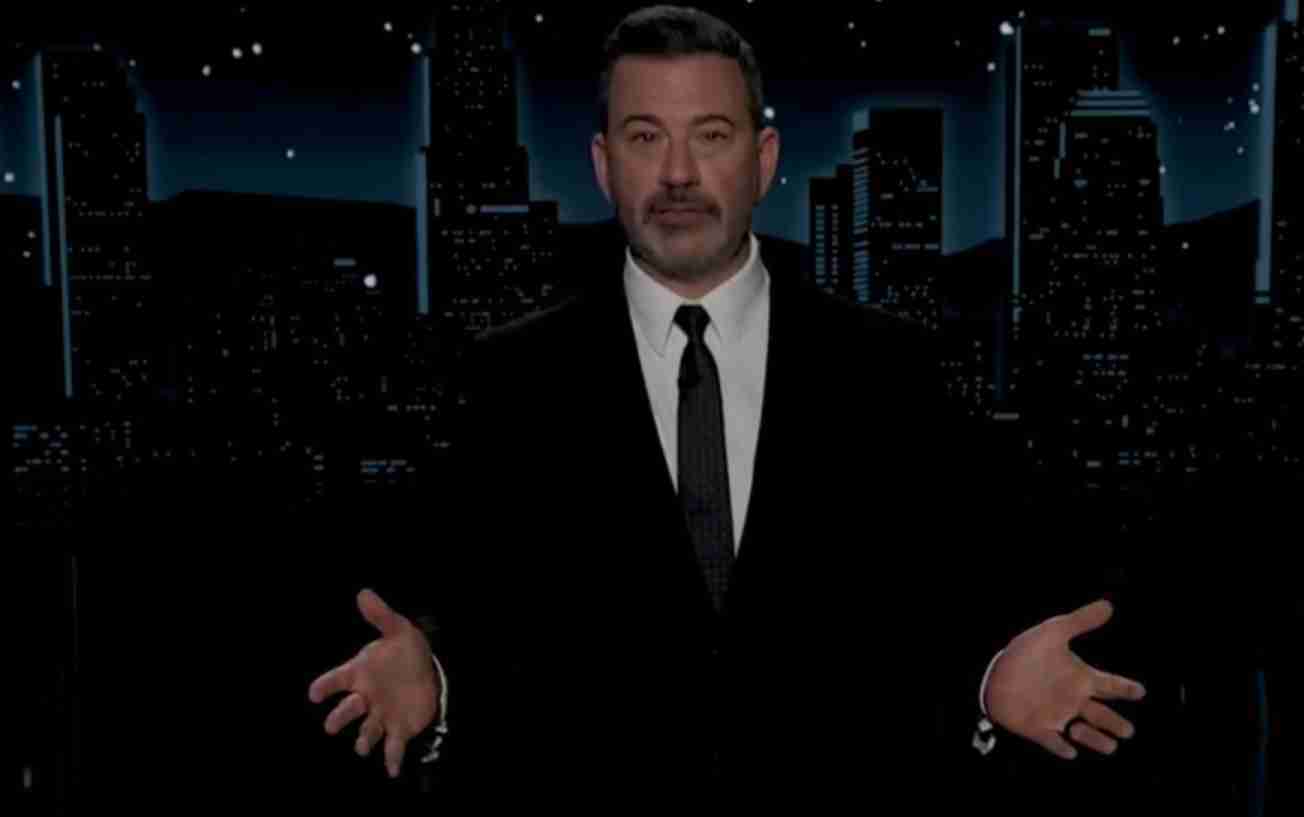
Disney Pulls Jimmy Kimmel Live Indefinitely After Host’s Remarks on Charlie Kirk Killing; Broadcasters Refuse to Air Show
ABC and Disney have indefinitely pulled Jimmy Kimmel Live after the host’s remarks about the killing of conservative influencer Charlie Kirk sparked broadcaster refusals to air the show, citing offensiveness and mounting political tensions across networks and stations.
Key takeaways
- ABC and Disney paused Jimmy Kimmel Live following backlash to comments about Charlie Kirk (Sky News).
- Major broadcasters including Nexstar and Sinclair refused to air the program, prompting the network action (Sky News).
- Local impacts include schedule changes, advertiser effects, and heightened debate in markets such as Redding, California.
What happened on air
On the Monday broadcast that triggered the backlash, Jimmy Kimmel criticized how some Republicans reacted to Charlie Kirk’s killing, accusing figures including former President Donald Trump and other MAGA-aligned voices of trying to capitalize on the tragedy. He drew parallels to past GOP behavior — including the Jan. 6 Capitol events — as part of his critique. The segment prompted swift objections from station groups and viewers (Sky News).
Broadcasters’ response and network action
Nexstar and Sinclair — two of the largest local-station owners in the U.S. — announced they would stop airing Kimmel’s program in many markets. Nexstar broadcasting president Andrew Alford called the remarks “offensive and insensitive” and urged a pause so “cooler heads prevail.” Those carriage refusals applied immediate pressure on ABC and Disney, which removed Jimmy Kimmel Live from the schedule indefinitely as a measure to defuse tensions and address the backlash (Sky News).
Statements and reactions
Station groups emphasized viewer concerns and the need for responsible coverage during a tense national moment. Nexstar’s Andrew Alford used strong language condemning Kimmel’s choice of words and framed the pause as a cooling-off step. ABC and Disney have not provided a timeline for when the show might return to the lineup (Sky News).
“Let cooler heads prevail,” Andrew Alford said in urging the suspension of broadcasts.
Former President Donald Trump publicly praised ABC’s decision and criticized late-night hosts on social media; video clips of reactions and related commentary are available in ongoing coverage (video coverage).
Context: partisanship and media scrutiny
The episode unfolded amid heightened partisan tensions and renewed scrutiny of late-night hosts who blend comedy with political commentary. For some viewers, ABC’s move is a step toward accountability for inflammatory remarks; for others, it raises concerns about corporate influence over speech and entertainment. The swift broadcaster response underscores how distribution decisions can rapidly shape local viewing options (Sky News).
Details on the killing and investigation
Reporting indicates conservative activist Charlie Kirk was killed in an incident that drew national attention. Authorities have identified a suspected shooter, Tyler Robinson, who reportedly held negative views about Kirk; investigators continue to examine motive as criminal proceedings move forward. Coverage of both the killing and Kimmel’s remarks has fueled debate about political rhetoric and media responsibility (Sky News).
How streaming and local stations factor in
When broadcasters refuse to air a program, it affects over-the-air schedules and cable carriage in affected markets. Local ABC affiliates tied to station groups like Nexstar and Sinclair must decide whether to run alternate programming, reruns, or special reports. Viewers accustomed to watching Jimmy Kimmel Live on local ABC stations may instead find news coverage, syndicated shows, or streaming clips and archives as substitutes.
Parallel developments and industry shifts
The Kimmel suspension arrives after other late-night shakeups — including CBS’s earlier cancellation of Stephen Colbert’s The Late Show — which sparked debate about whether business or political pressure drives programming decisions. This incident intensifies the conversation about the role of hosts who comment on politics and how networks weigh editorial latitude versus distribution relationships (video coverage).
Legal and ethical questions for networks
Media analysts note networks must balance free expression, legal risk, advertiser relationships, and public trust when controversial remarks spark backlash. Stations are private companies that set editorial and scheduling policies; refusals by Nexstar and Sinclair present immediate distribution and revenue questions for ABC and Disney. The suspension reflects those competing pressures and the networks’ interest in maintaining advertiser and station-owner relationships during a politically charged moment (Sky News).
Implications for Redding, California
Economic impact: Local viewers in Redding may see late-night schedule changes affecting ad inventory and rates; local affiliates must consider replacement programming and revenue implications.
Political consequences: The suspension may be framed by local conservatives as evidence of mainstream media bias; candidates and local officials could use the controversy in campaign messaging.
Social effects: The story may deepen divisions among residents who follow different news sources, driving discussion in local forums, talk radio, and civic groups.
Practical advice: Redding viewers should check local ABC affiliate schedules for changes and explore streaming or social-video platforms for clips and coverage; advertisers should consult station sales teams about adjusted audiences and alternative spots.
Sources and coverage
- Sky News coverage of Disney and broadcaster responses.
- video coverage and clips of remarks and reactions, including public statements.
Reporting continues as facts develop and local outlets update schedules and statements. Preserve official updates from ABC, station groups, and law-enforcement sources for the latest information.



