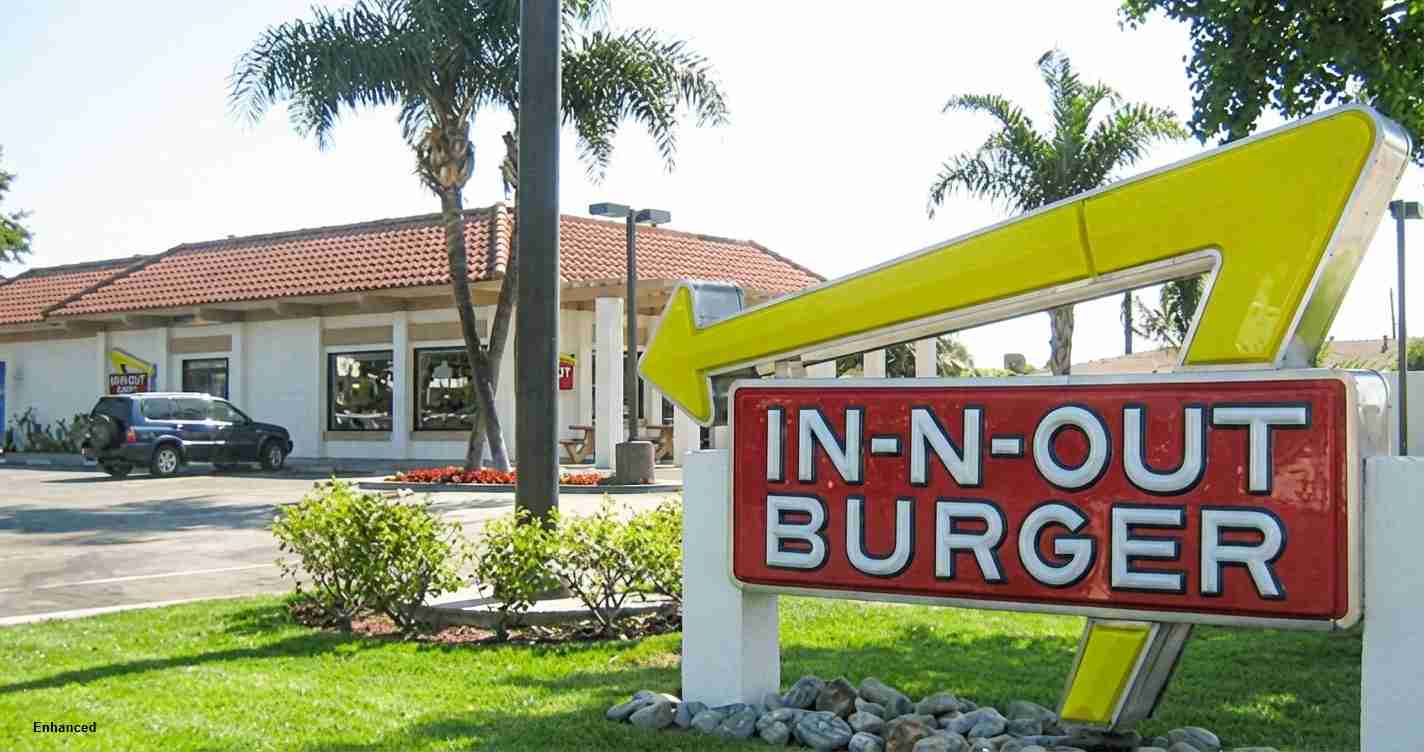
In-N-Out Removes Item 67 Amid Viral “6‑7” Trend; Employee Says Item 69 Also Scrubbed
Irvine, California — In‑N‑Out Burger reportedly removed “Item 67” from its internal ordering system after a viral “6‑7” meme; an employee told People magazine that the number 69 was also removed, prompting debate over social media’s influence on company policy.
Key takeaways
- Item 67 removed: Multiple reports say In‑N‑Out removed “Item 67” from its ordering system after the viral “6‑7” meme gained traction online.
- 69 reportedly scrubbed: An employee told People magazine that the number 69 was also removed for similar reasons.
- No formal statement yet: In‑N‑Out has not issued a widely circulated official explanation; check the company site for confirmation.
- Social media influence: The episode illustrates how viral memes can push private businesses to change internal practices to protect employees and operations.
What In‑N‑Out’s Item 67 is, and why it matters
For years, In‑N‑Out’s secret menu — unofficial options and internal item codes — has been part of the chain’s cultural cachet. Customers and employees treated those codes as an insider shorthand. According to circulating reports, “Item 67” existed in the company’s internal system rather than on the drive‑thru board, and its reported removal has prompted both amusement and concern.
Observers note that changes to internal codes are a bellwether for how internet virality can shape private business operations and employee experience. For confirmation, consult the company site.
The “6‑7” trend that sparked it
Social media users recently turned the numbers “6” and “7” into a viral meme—the so‑called “6‑7” trend—spreading across platforms like TikTok, X, and Instagram. The meme evolved into a series of jokes attaching sexual or explicit innuendo to otherwise innocuous numbers, and some people reportedly began referencing or ordering specific menu numbers to create disruptive or awkward interactions for staff.
Cultural trackers catalog similar phenomena; for background see KnowYourMeme.
Employee account and media reporting
An employee who spoke to People magazine said both Item 67 and the number 69 were removed from In‑N‑Out’s internal ordering system because repeated jokes and pranks tied to the viral meme created opportunities for customers to seek online attention at the expense of staff comfort.
People’s coverage of that employee account has circulated widely and is central to current reporting. At the time of publication, a widely posted, official In‑N‑Out statement explaining the removals had not been found on the company’s main channels.
Why companies change menus or internal codes
Restaurants often adjust menus, item numbers, and internal systems for reasons such as supply constraints, pricing, or simplifying ordering flows. When a change is tied to an internet trend, however, companies also weigh brand reputation, employee safety, and the customer experience.
Operational rationale: Removing a code is a low‑visibility fix that can prevent repeat pranks without a public confrontation.
Legal and operational considerations
Removing an internal code can have ripple effects for staff and franchisees: system updates, retraining, and potential administrative costs. Corporations consider liability risks when pranks escalate and may opt for quick internal changes to limit exposure and protect workers.
Expert perspectives
“It’s a pragmatic fix,” said a restaurant operations consultant. “If a particular code is being used to create an awkward situation for employees or customers, eliminating it from the ordering flow is a way to neutralize the problem without a big public fight.”
“When companies repeatedly change to counter memes, it signals to online communities that provocation works,” said a digital culture analyst. “Some businesses will bend to preserve daily operations; others may resist to avoid setting a precedent.”
Social media, memes and corporate policy
Social platforms reward attention. Memes that start as jokes can quickly bleed into real‑world interactions, creating dilemmas for companies: publicly addressing a trend may amplify it; silence or quiet internal changes can frustrate customers seeking transparency.
Transparency matters: Clear communication helps employees and patrons understand operational choices—especially when changes are intended to protect workers from prank‑driven harassment.
Source verification and where to look
Because viral stories can spread quickly and inaccurately, consult reputable news outlets and the company’s official channels for confirmation. Useful sources and trackers include:
- In‑N‑Out official site
- People magazine (reported employee account)
- Reuters, Associated Press, and CNN for broader reporting
- KnowYourMeme for meme context
- TikTok and X where the trend spread
Implications for Redding, California
Economic impact: Immediate effects for Redding are likely modest, though regional fans travel for popular fast‑food options. Franchisees could face administrative costs and retraining if trends force frequent updates.
Political consequences: Conservative audiences may view this as another example of social media pressuring companies; local figures could cite the episode when discussing protections against disruptive viral behavior.
Social effects: Local service workers may welcome operational steps that reduce prank orders, though frequent policy tweaks can create confusion and training burdens.
Cultural relevance: In communities valuing respect and order, the episode may spark debates about decency and whether online humor should alter real‑world practices.
Practical applications for residents
- Check before you travel: confirm menu availability via the company site or local franchise contacts.
- Support employees: avoid pranks and treat service workers respectfully at counters and drive‑thrus.
- Monitor official channels: follow In‑N‑Out’s communications rather than relying on social posts.
Reporting note
This article is based on circulating reports and an employee account relayed to People magazine. At the time of publication, an official, widely distributed statement from In‑N‑Out detailing the removal of Item 67 or Item 69 was not available on the company’s main site. Readers should consult the In‑N‑Out official site and major news outlets for any subsequent confirmations or clarifications.