
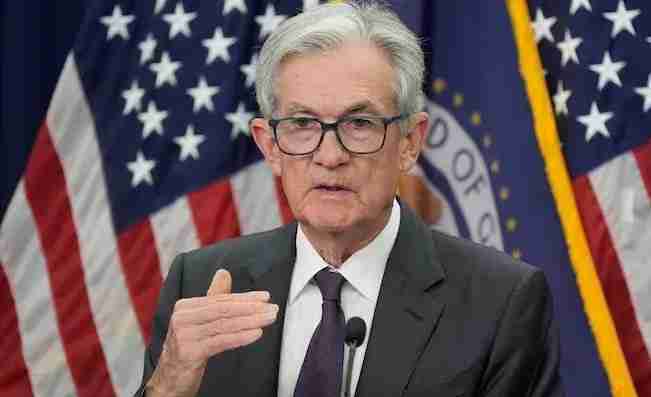
Fed cuts rates in September amid weakening labor market, raising questions about inflation path and jobs
The Federal Reserve cut its policy rate by 25 basis points to 4.00%–4.25% in September 2025, prioritizing a cooling labor market despite above-target inflation and signaling possible additional easing later this year to support hiring and blunt job losses.
- Policy move: Fed reduced its policy rate by 25 basis points to 4.00%–4.25% at the September 2025 meeting (source: Trading Economics: United States Interest Rate).
- Labor market concerns: Policymakers cited four months of payroll growth under 100,000 and a 4.3% unemployment rate (source: Charles Schwab: FOMC meeting coverage).
- Inflation outlook: Headline inflation accelerated to 2.9% in August and officials now expect the 2% target only by 2028 (source: Charles Schwab: FOMC meeting coverage).
- Forward guidance: The Fed signaled the possibility of two more quarter-point cuts before year-end, leaving a path for roughly 75 bps of easing (sources: Charles Schwab: FOMC meeting coverage; Trading Economics: United States Interest Rate).
Main coverage
What the Fed did
At its September 2025 meeting the Federal Open Market Committee approved a 25 basis point reduction to a target federal funds range of 4.00%–4.25%. Officials framed the move as a calibrated step to address emerging labor-market weakness while remaining mindful of persistent inflation pressures (source: Trading Economics: United States Interest Rate).
Why the Fed moved: jobs over price stability
Policymakers emphasized that recent labor-market data show clear signs of cooling. For four consecutive months, payroll gains were below 100,000, and the unemployment rate has risen to 4.3%. Officials said those trends elevated employment risks and justified easing to help protect jobs (source: Charles Schwab: FOMC meeting coverage).
“Clear signs the job market is cooling,” Fed officials said, noting the payroll slowdown and the need to weigh labor outcomes in policy choices.
Inflation still hot, disinflation stalled
Despite the rate cut, inflation remains above the Fed’s comfort zone. Headline inflation accelerated to 2.9% in August, and staff projections for core and headline inflation were revised higher for 2025–26. Officials now project the 2% goal may not be reached until 2028, underscoring slower-than-expected disinflation (source: Charles Schwab: FOMC meeting coverage).
Policy bind: Cutting rates can support hiring, but doing so too soon risks re-accelerating inflation — a trade-off the committee sought to balance with a modest, measured cut.
Economic projections and the “dot plot”
Along with the decision, the Fed released updated forecasts that modestly raised growth expectations to 1.6% for 2025, 1.8% for 2026, and 1.9% for 2027. The participant “dot plot” showed a range of views, with several members expecting further cuts through the rest of 2025, opening the door to about 75 basis points of easing if conditions evolve as officials expect (sources: Trading Economics: United States Interest Rate; Charles Schwab: FOMC meeting coverage).
Internal dynamics and policymaker disagreement
The vote revealed disagreement. Newly appointed Governor Stephen Miran preferred a larger 50 bps cut to address labor weakness more aggressively, but the majority opted for a 25 bps move to avoid igniting inflation pressures. The split highlights uncertainty about the appropriate pace of easing (source: Trading Economics: United States Interest Rate).
Market reaction and political context
Markets responded quickly: Treasury yields and the dollar initially fell after the announcement, then began to adjust as investors parsed the Fed’s projections and guidance about future moves. Traders have priced a path of gradual easing rather than rapid loosening (source: Charles Schwab: FOMC meeting coverage).
Political notes: The decision prompted public commentary, including calls for larger cuts from political figures such as former President Trump, but officials emphasized the Fed’s independence and the complexity of trade, tariffs and other data when making policy choices (source: Trading Economics: United States Interest Rate).
Implications for lenders, borrowers and businesses
Lower short-term rates typically ease banks’ funding costs and can lead to cheaper consumer loans over time, but changes to mortgage and long-term rates depend on Treasury yields and inflation expectations. The immediate decline in yields after the announcement proved short-lived, so effects on local lending are mixed (source: Charles Schwab: FOMC meeting coverage).
For businesses: Modest easing can help cash flow and hiring, but elevated input costs from slow disinflation may damp benefits. Firms face softer demand from a cooling labor market while contending with persistent price pressures (source: Charles Schwab: FOMC meeting coverage).
What comes next
The Fed left policy conditional and data-dependent. Officials will watch payrolls, unemployment, wage growth and inflation readings closely. If the jobs picture weakens further, additional quarter-point cuts remain possible before year-end as signaled in committee materials (sources: Charles Schwab: FOMC meeting coverage; Trading Economics: United States Interest Rate).
Implications for Redding, California
Redding’s local economy — driven by small businesses, retail, healthcare and services — will feel the Fed’s shift in several ways. Short-term borrowing costs for small firms may ease, offering some relief as payroll growth slows nationally, but higher prices for fuel and materials could still squeeze margins (source: Charles Schwab: FOMC meeting coverage).
Local employers and workers
Small employers may find it slightly easier to access short-term credit, which can help retain staff. However, cooling national hiring may prompt some firms to pause new hires or slow wage growth.
Mortgage, housing and homebuyers
Many homeowners hold long-term fixed mortgages, so immediate payment relief is limited. Buyers with adjustable-rate loans or imminent purchases could see small benefits if short-term rates fall and long-term yields stabilize.
Jobs and unemployment in the region
A national labor-market slowdown increases the risk of slower hiring locally. Workforce agencies should prepare for a potential uptick in unemployment claims and consider expanding training and placement services.
Cost of living and inflation impact
With U.S. inflation at 2.9% in August and disinflation slowing, Redding households may continue to face elevated costs for essentials. Local leaders should monitor food, fuel and utility prices, which affect lower-income families most (source: Charles Schwab: FOMC meeting coverage).
Local government finances and borrowing
Lower short-term rates can reduce costs for variable-rate obligations and short-term borrowing. However, long-term bond rates determine costs for major capital projects, so municipal officials should be cautious about expecting material savings from this Fed move (source: Trading Economics: United States Interest Rate).
Practical advice for residents and businesses
- Households: Review debt structures; those with adjustable-rate loans may benefit from locking rates if longer-term yields seem set to rise.
- Small businesses: Talk with lenders about refinancing or lines of credit while banks reassess policy implications.
- Local employers: Balance hiring with productivity and cost-control measures as labor-market signals evolve.
Policy and political considerations for local leaders
The Fed’s decision highlights trade-offs between jobs and price stability. Local officials should prepare workforce development plans and small-business support measures while acknowledging differing political views on fiscal and monetary policy (sources: Trading Economics: United States Interest Rate; Charles Schwab: FOMC meeting coverage).
Sources and further reading
– Trading Economics: United States Interest Rate
– Charles Schwab: FOMC meeting coverage



