
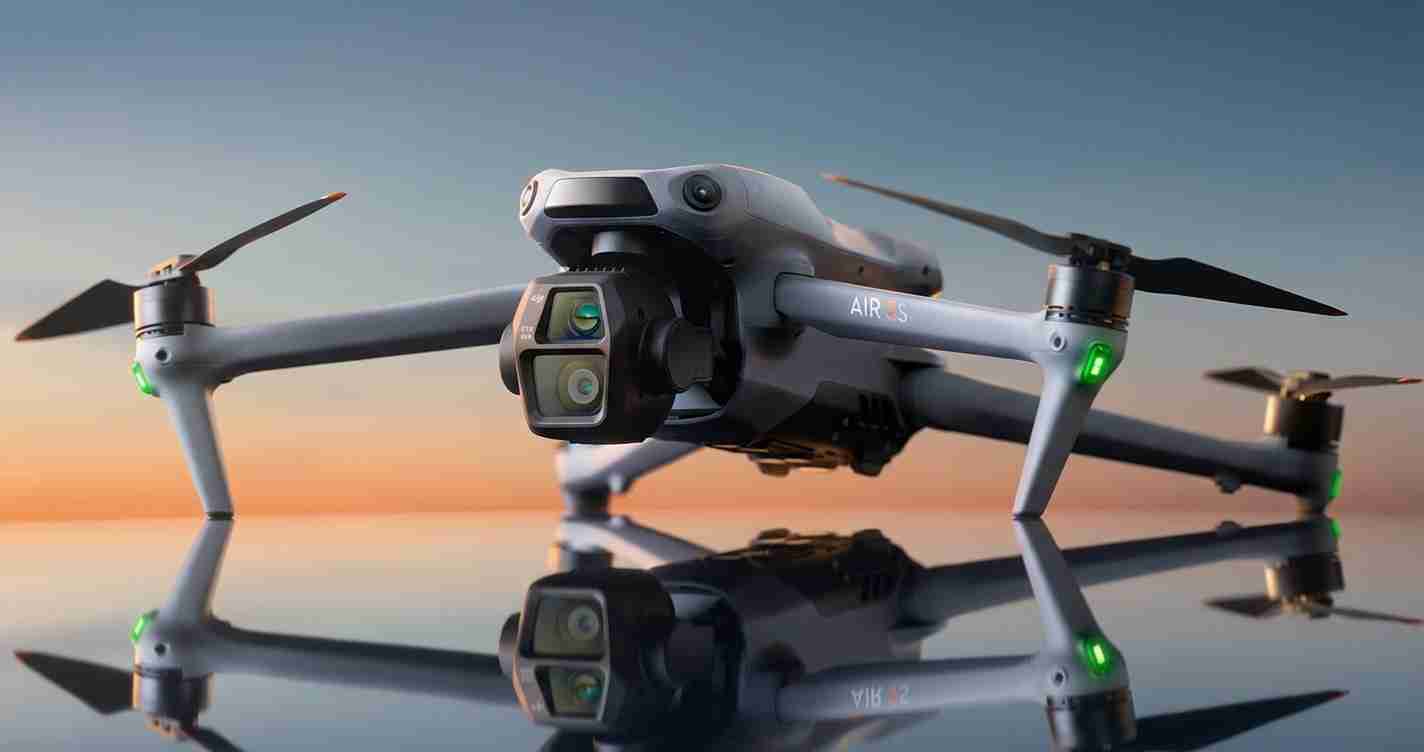
FCC moves to ban new Chinese-made drones, citing national security concerns
The Federal Communications Commission announced a ban on new Chinese-made drones and components, citing national security risks from foreign-controlled supply chains and potential exploitation by criminal, terrorist and hostile actors that could access sensor data or disrupt U.S. infrastructure.
- FCC action: The agency will add certain foreign-made drones and parts to a covered list that effectively bans new sales and distribution in the U.S. (FCC statement).
- Security rationale: Officials cited risks that criminals, terrorists and hostile foreign actors are weaponizing drone technologies and exploiting supply chains and data flows (FCC materials).
- Industry pushback: DJI said it was “disappointed” and criticized the lack of disclosed evidence or process behind its inclusion on the covered list (DJI response).
- Local impact: Public-safety agencies, retailers and commercial operators — including those in Redding, California — may face procurement changes, higher short-term costs and operational adjustments.
What the FCC said and why
The FCC framed the ban as a response to mounting national security concerns tied to the expanding use and misuse of commercial drones. Agency officials warned that criminal organizations and terrorist groups are weaponizing consumer and commercial UAVs at an accelerated pace, and that some foreign actors may exploit systems for surveillance, data collection or disruption of U.S. infrastructure.
“The proliferation of these technologies poses new and serious threats to our homeland,” the FCC said in announcing the measure (FCC announcement). The commission emphasized risks from foreign-controlled supply chains and the potential for data flows to be accessed by hostile entities, framing the policy within broader federal efforts to secure critical technologies.
Scope of the ban and how it will work
The FCC’s action centers on adding covered foreign-made drone products and components to a list that forbids their sale, import or distribution in the United States. While initial materials emphasize new purchases, the regulatory approach can affect retail availability, federal procurement and private-sector buying decisions.
A technical order that lists exact product identifiers, makes and part numbers will be posted on the FCC’s website and cited in enforcement guidance; that list will determine which models and components fall under the ban and how sellers, importers and agencies must comply (FCC guidance).
Industry and manufacturer reaction: DJI response
DJI reacted quickly. In a statement, the company said it was “disappointed” by the FCC decision and complained the government did not disclose the evidence or process used to include DJI products on the covered list (DJI newsroom).
DJI stressed that many U.S. customers rely on its equipment for inspections, public-safety missions and commercial work, warning that the ban could disrupt those users. The company urged transparency, due process and the opportunity to review any evidence prior to being listed.
National security context
The FCC’s move follows other federal measures aimed at reducing reliance on foreign-made communications and surveillance equipment. Lawmakers and regulators have repeatedly highlighted the dual-use nature of some technologies — civilian systems that can be repurposed for surveillance, intelligence collection or kinetic misuse.
Officials say the concern extends beyond hardware to include software, data flows and supply-chain control that could enable foreign influence or access. The FCC described the ban as a targeted step to cut off pathways that might allow hostile actors to collect sensor data, surveil critical sites or coordinate illegal operations using commercially available drones (FCC materials).
What the ban means for U.S. buyers, retailers and public agencies
- Retailers and importers: Must verify whether models they sell are on the covered list; new shipments of banned models could be barred from entry or sale (FCC compliance guidance).
- Public agencies: Local police and emergency services must review procurement plans and may have to replace or halt purchases of certain foreign-made models.
- Commercial operators: Firms using drones for inspections, mapping, agriculture or media work will need time to identify approved alternatives, potentially raising short-term costs.
- Supply response: The federal move could spur U.S.-based manufacturers and allied partners to expand production of compliant models; realignment may take months or years.
Implications for Redding, California
Economic impact
Redding businesses and public agencies use drones for tasks such as field surveys, crop monitoring and site inspections. If specific Chinese-made models are added to the covered list, local companies may face higher replacement costs and workflow adjustments. Drone retailers in the North State could see inventory disruption and temporary sales declines as suppliers adapt (FCC guidance).
Public safety and wildfire response
Redding lies in a region prone to wildfires. Local firefighting agencies and search-and-rescue teams rely on drones for mapping, scouting and coordinating crews. Procurement restrictions could create capability gaps during fire season, requiring extra spending or temporary reliance on shared state or federal assets (local public-safety procurement data).
Local government and law enforcement
The Redding Police Department and county emergency management may need to audit fleets and update policies. Any models on the covered list could require replacement and new training for approved systems — changes that are costly and time-consuming but intended to protect sensitive public-safety data (FCC security rationale).
Jobs and small businesses
Small businesses that sell or service drones around Redding could be disrupted. Repair shops and retailers handling affected models will seek guidance on repairability and parts sales. Inventory changes and technician retraining may cause short-term financial strain for many local outfits.
Cultural and political considerations for a conservative audience
Many Redding residents prioritize homeland security and local control. The FCC’s ban dovetails with conservative concerns about secure supply chains and foreign surveillance. At the same time, DJI’s complaint about non-disclosed evidence fuels concerns about due process and transparency. Local leaders will likely weigh the security rationale against practical costs to businesses, first responders and farmers.
What happens next
The FCC will publish the detailed list of covered products and provide compliance guidance for businesses and agencies. Affected manufacturers may seek clarification, appeal listings or request review of the evidence and process. Local governments, public-safety agencies and commercial operators in Redding should begin inventories of their drone fleets and contingency planning to maintain continuity of operations.
Sources and further reading
- Federal Communications Commission — official site and announcement materials
- DJI newsroom and company statement
- FCC’s document center — for ongoing coverage and regulatory orders



