
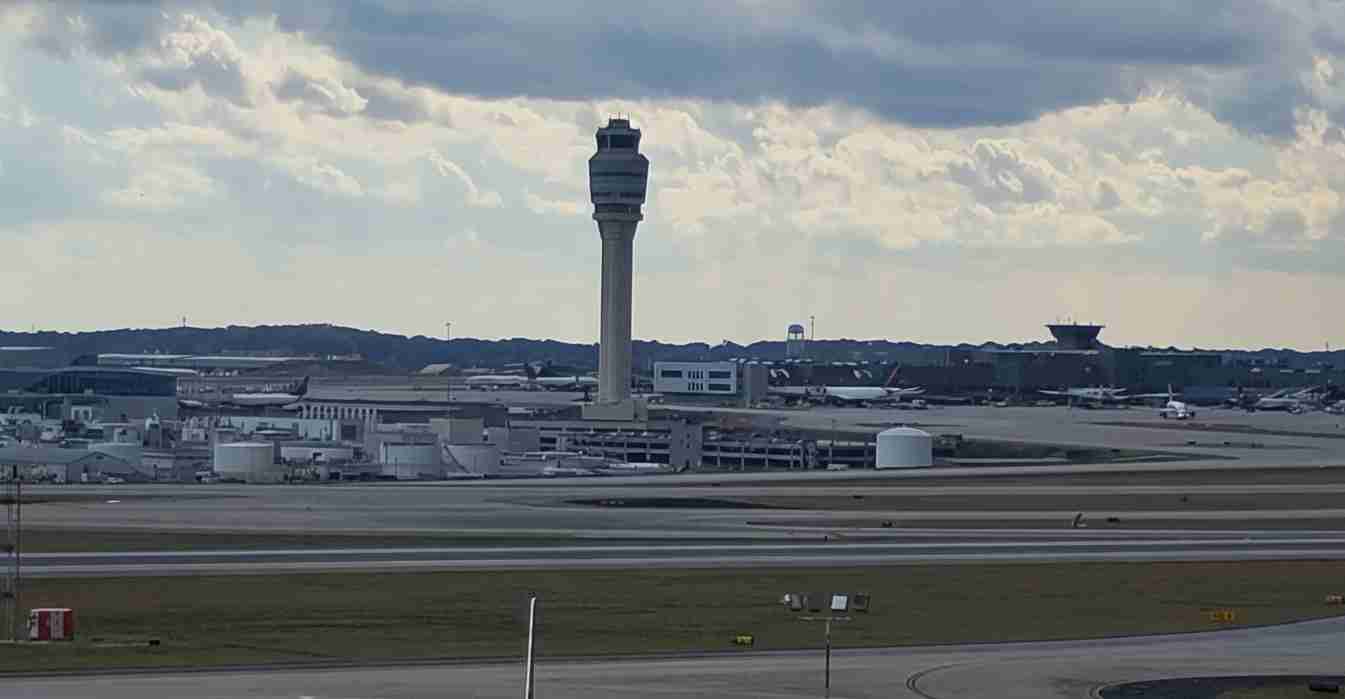
Congress Gridlock Forces FAA to Cut Capacity; Major U.S. Hubs See Widespread Delays, Cancellations
Congressional funding gridlock has forced the FAA to impose a 10% capacity cut at 40 major U.S. airports, triggering widespread delays, thousands of cancellations and long security lines that have disrupted more than 3.2 million travelers since Oct. 1.
Key takeaways
- FAA ordered a 10% traffic reduction at 40 of the nation’s busiest airports to maintain safety amid staffing shortfalls (Hindustan Times, Fox Business).
- Millions affected: >3.2 million passengers delayed or canceled since Oct. 1; single-day peaks showed ~2,900 delayed flights.
- Local ripple effects: Smaller markets such as Redding face higher fares, longer connections and economic strain from reduced hub throughput.
Overview
The ongoing federal funding standoff has prompted the Federal Aviation Administration to take emergency operational steps. With hiring and training paused, and existing shortages among air traffic controllers and screeners exacerbated, the FAA instituted a 10% cut in flight operations at 40 busy airports to preserve safe separation and manage workloads.
Airports hardest hit
The capacity reductions have most sharply affected major hub airports that form the FAA’s Core 30 busiest markets. Reported worst-hit airports include:
- New York City area: JFK, LaGuardia, Newark Liberty (Hindustan Times; GovExec)
- Chicago O’Hare; Los Angeles International (LAX); Dallas/Fort Worth; Denver International
- Houston (Bush Intercontinental and Hobby); Phoenix Sky Harbor; Atlanta Hartsfield-Jackson; Boston Logan
- Baltimore/Washington International; Charlotte Douglas; Cincinnati/Northern Kentucky; Detroit Metropolitan
- Fort Lauderdale/Hollywood; Honolulu and Anchorage; Washington Reagan National (DCA)
These facilities are among the airports included in the FAA’s list for the 10% capacity reduction (Hindustan Times).
Numbers behind the disruption
- 3.2 million+ passengers affected since Oct. 1 by delays and cancellations tied to staffing shortages and FAA slowdowns (Fox Business).
- Peak daily disruption: roughly 2,900 flights delayed in the worst single day recorded (Hindustan Times).
- 10% FAA-imposed cap across 40 airports translates to thousands of fewer flight slots per day, forcing airlines to cancel or consolidate schedules (Fox Business).
- TSA screening delays: security waits have exceeded three hours at some checkpoints as screeners work without pay or call out (GovExec; CBS News).
Causes: air traffic controller shortage and operational limits
Multiple linked factors explain the operational breakdown:
- Pre-existing controller shortfall: roughly 2,800 controller vacancies existed before the shutdown; hiring and training were paused during the funding lapse (CBS News).
- Overtime and callouts: unpaid overtime and financial strain have driven some controllers and TSA screeners to call out, forcing reduced traffic flow to maintain safe operations (GovExec; Fox Business).
- FAA operational response: to preserve safety margins, the FAA instituted the 10% cut at selected airports, reducing daily throughput and prompting airline schedule adjustments (Hindustan Times).
What travelers are seeing now
Passengers face tangible disruptions:
- Long lines and missed connections: reports of >3-hour TSA waits in some cities and extended gate-to-departure delays (GovExec; CBS News).
- Spike in cancellations: airlines are canceling thousands of flights per week to fit reduced FAA slots and cope with unpredictable staffing (Fox Business).
- International connections strained: bilateral protections have shielded many international routes so far, but domestic hub disruption is causing missed connections and schedule instability for global travelers (Fox Business).
FAA warnings and possible escalation
FAA officials have warned that continued congressional inaction could force deeper cuts, risking broader dysfunction across the national air system and more cancellations. The agency describes current measures as temporary but expandable if the workforce situation deteriorates (Hindustan Times; Video report).
Implications for Redding, California
Economic impact: Although Redding Municipal Airport is not on the FAA’s 40-airport list, the slowdown at major hubs inflates fares, lengthens connections and raises costs for local businesses, contractors and tourism operators. The national estimate of $1 billion per week in travel losses indicates potential measurable local strain if disruptions persist (CBS News).
Political consequences: The shutdown highlights how federal gridlock can directly harm local commerce and unpaid federal workers, potentially driving constituents to demand accountability and funding resolutions.
Social effects: Families, medical travelers and local industry face higher risk of missed appointments and meetings; repeated travel instability can erode confidence in national systems relied upon by Redding residents.
Practical steps for Redding travelers
- Avoid tight connections: allow extra layover time when routing through hubs such as LAX, SFO, DEN or PHX (Hindustan Times; Fox Business).
- Confirm with airlines: check gate times and airline messages before departing for the airport; schedules change daily.
- Arrive earlier for departures: longer TSA lines mean earlier arrival reduces the risk of missed flights.
- Consider driving to alternatives: where feasible, use less-affected regional airports or direct flights from nearby hubs.
Sources
Reporting from Times Media Service; data compiled from FAA, airline and federal workforce reporting listed above.



