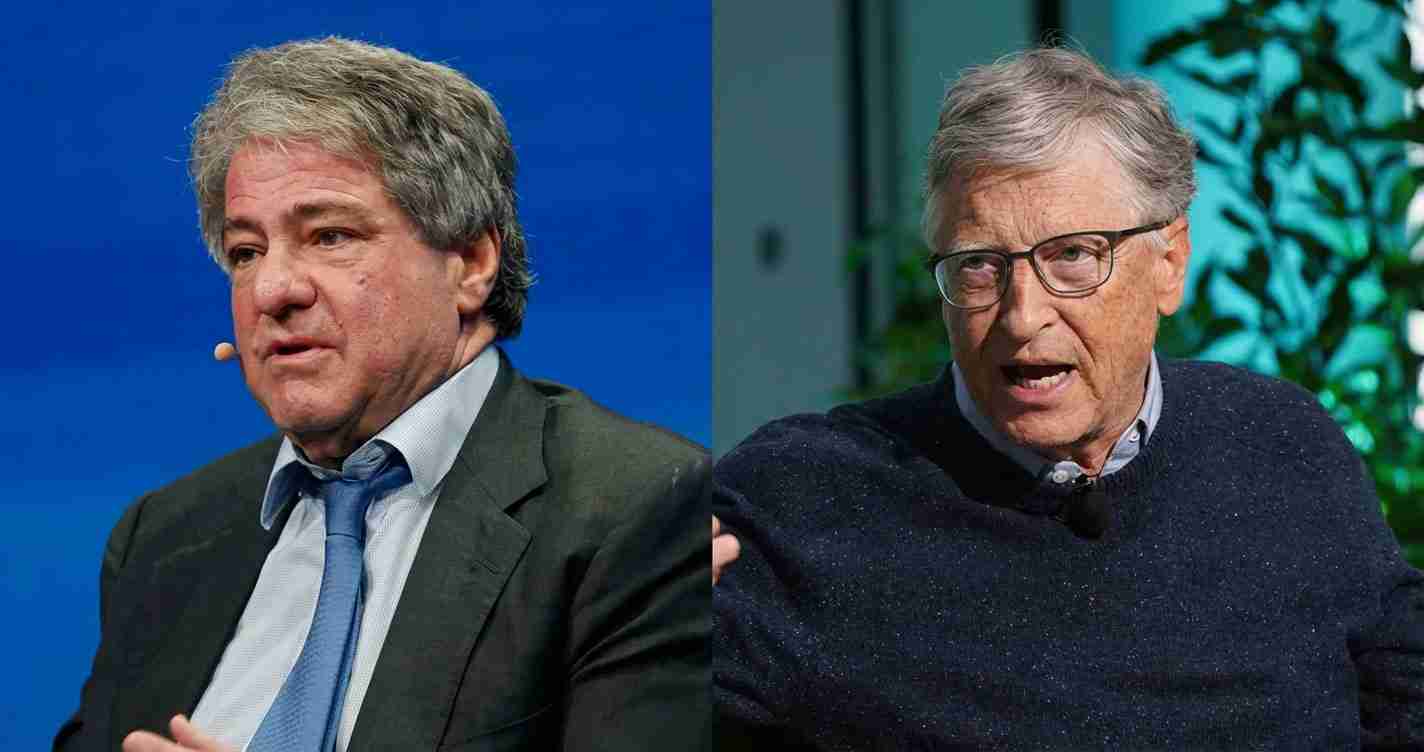
House Oversight Panel Summons Seven to Testify on Jeffrey Epstein, Including Bill Gates, Leon Black and Kathryn Ruemmler
The House Oversight Committee has summoned seven people, including Bill Gates, Leon Black and Kathryn Ruemmler, to give transcribed testimony in an expanding probe into Jeffrey Epstein and Ghislaine Maxwell, federal case handling, and circumstances surrounding Epstein’s death.
Key takeaways
- Seven witnesses — including Bill Gates, Leon Black and Kathryn Ruemmler — were asked to give transcribed interviews in Washington, D.C.
- Dates announced — the committee scheduled Leon Black for May 13, Bill Gates for May 19 and Kathryn Ruemmler for April 21, among others.
- Scope of inquiry — the probe targets Epstein and Maxwell’s network, federal handling of prosecutions and plea agreements, suspicious financial activity, and the circumstances of Epstein’s death.
- Documents released — the committee has reviewed millions of pages of DOJ records and public reporting that it says warrant formal interviews.
Main story
What the committee requested and why
Chairman James Comer issued summonses for seven individuals as the Oversight and Government Reform Committee expands its review of Jeffrey Epstein and Ghislaine Maxwell. The committee says its requests are based on public reporting, Department of Justice documents and materials obtained by investigators, and seeks to gather transcribed interviews to clarify unanswered questions and possible failures by government and private actors.
The inquiry — labeled the Epstein House Oversight Investigation by committee staff — aims to collect documents and testimony about the scope of Epstein’s sex trafficking network, the federal handling of prosecutions and plea agreements, potential ethics violations, suspicious financial activity, and the events surrounding Epstein’s death.
Who was summoned and scheduled dates
The committee named seven people it believes can assist the probe:
- Bill Gates: The Microsoft co-founder met Epstein several times after Epstein’s 2008 conviction. A Gates spokesperson said he will appear for a transcribed interview on May 19 and “welcomes the opportunity,” adding that Gates “never witnessed or participated in any of Epstein’s illegal conduct.” DOJ records and media reports show emails involving Gates were among those released during the probe; some reporting described personal conduct unrelated to Epstein’s victims.
- Leon Black: The Apollo Global Management co-founder has been linked to Epstein through business payments and past meetings. Reporting indicates Black paid Epstein more than $158 million for tax and other services, and a civil suit has accused Black of sexual assault, which he denies. The committee has asked Black to testify on May 13.
- Kathryn Ruemmler: The former White House counsel and ex-Goldman Sachs lawyer reportedly visited Epstein properties multiple times. She was asked to appear April 21; her representative said she “welcomes the opportunity” and “had no knowledge of any ongoing criminal activity.”
- Lesley Groff: Longtime Epstein executive assistant; called based on public reporting, DOJ documents and committee materials.
- Sarah Kellen: Former Epstein employee who was identified as an unindicted co-conspirator in his 2008 plea deal; summoned for questioning.
- Doug Band: Longtime aide and counselor to Bill Clinton; called after the committee interviewed Bill and Hillary Clinton.
- Ted Waitt: Tech billionaire and former boyfriend of Ghislaine Maxwell; asked to appear as part of the review of Maxwell’s network.
Committee actions and broader context
The Oversight Committee has pursued a broad set of actions in recent months, including subpoenaing the Department of Justice — which has produced tens of thousands of pages to date — and demanding additional records. The committee has sought suspicious activity reports from the Treasury Department related to Epstein and Maxwell, subpoenaed the Epstein estate for ledgers and calendars, and established a Task Force on Declassification to push for broader release of DOJ records.
As part of its transparency push, the committee publicly released full depositions of former President Bill Clinton and Hillary Clinton after each was interviewed for more than four hours. Documents provided to Congress include roughly 3 million emails among tens of thousands of pages the Department of Justice supplied; the committee says those records and public reporting point to leads that justify formal transcribed interviews.
“The committee is seeking facts and transparency about how these cases and investigations were handled,” the panel said as it moved to interview multiple high-profile figures.
Responses from those called
Spokespeople for some witnesses replied to the summonses. A Gates spokesperson confirmed he would appear for a transcribed interview and denied any knowledge of illegal conduct by Epstein. Ruemmler’s representative said she had “done nothing wrong and had no knowledge of any ongoing criminal activity.” Other witnesses either have not publicly responded or their responses have not been reported.
What the committee hopes to learn
The Oversight Investigation aims to answer central questions about how Epstein and Maxwell operated, who may have enabled them, whether federal agencies or private actors failed in enforcement, and what led to Epstein’s death. The committee is reviewing non-prosecution agreements, possible ethics violations, bank records and suspicious activity reports to determine facts and recommend next steps.
Possible legislative and enforcement outcomes
Lawmakers have discussed reforms to strengthen sex trafficking enforcement, tighten financial monitoring, improve law enforcement reporting, and bolster victim protections. The probe could yield legislative proposals, further subpoenas, or referrals for enforcement if the committee identifies actionable failures.
Implications for Redding, California
Economic impact: Local residents and businesses in Redding are unlikely to see direct economic effects from these hearings. However, the probe could prompt tougher enforcement of financial reporting and greater scrutiny of donations and philanthropy; nonprofit leaders and major donors in Shasta County may face increased questions and may tighten oversight.
Political consequences: For a conservative audience in Redding, the investigation underscores oversight and accountability. Local officials may be asked to weigh in on transparency reforms and whether federal agencies did enough in the Epstein matter.
Social effects: The hearings keep attention on victims of sex trafficking. Local advocacy groups and victim services in Northern California could see renewed interest and potential funding opportunities; community leaders may use this moment to promote education about trafficking and support services.
Cultural relevance & practical steps: The probe touches on trust in elites and institutions. Residents who donate to charities or serve on nonprofit boards should review background-check policies, financial oversight, and reporting procedures. Expect increased media coverage and possible requests for records from local charities, faith groups and schools.