Once a Sure Thing: How Disney’s Stewardship of Star Wars Lost Its Luster — And What That Means Locally
Disney’s 2012 acquisition of Lucasfilm promised a steady expansion of Star Wars, but uneven films and mixed creative direction eroded fan trust, shifting box-office dynamics and local economic, political, and cultural effects in places like Redding, California.
- Big purchase, big expectations: Disney paid $4.05 billion for Lucasfilm and installed Kathleen Kennedy under Bob Iger’s oversight.
- Hits and misses: Blockbusters like The Force Awakens co-exist with underperformers such as Solo, while streaming shows score critical praise.
- Local stakes: Lower theatrical turnout shifts revenue away from theaters, concessions and nearby businesses in communities such as Redding.
- Trust is fragile: Restoring consistent quality and a clear creative vision is essential for Disney to regain automatic fan goodwill.
Background: The promise of scale and steady storytelling
In 2012 The Walt Disney Company finalized its acquisition of Lucasfilm Ltd. for $4.05 billion, signaling a plan to use Disney’s studios, distribution and marketing muscle to expand the Star Wars universe. With Bob Iger steering Disney strategy and Kathleen Kennedy leading Lucasfilm, fans and investors expected a disciplined roll‑out of tentpoles and serialized streaming projects.
A mixed record: hits, misses, and the erosion of automatic goodwill
Early returns were promising. Star Wars: The Force Awakens (2015) returned the franchise to theaters with massive receipts — roughly $937 million domestically — and momentum that led Disney to greenlight multiple films and series.
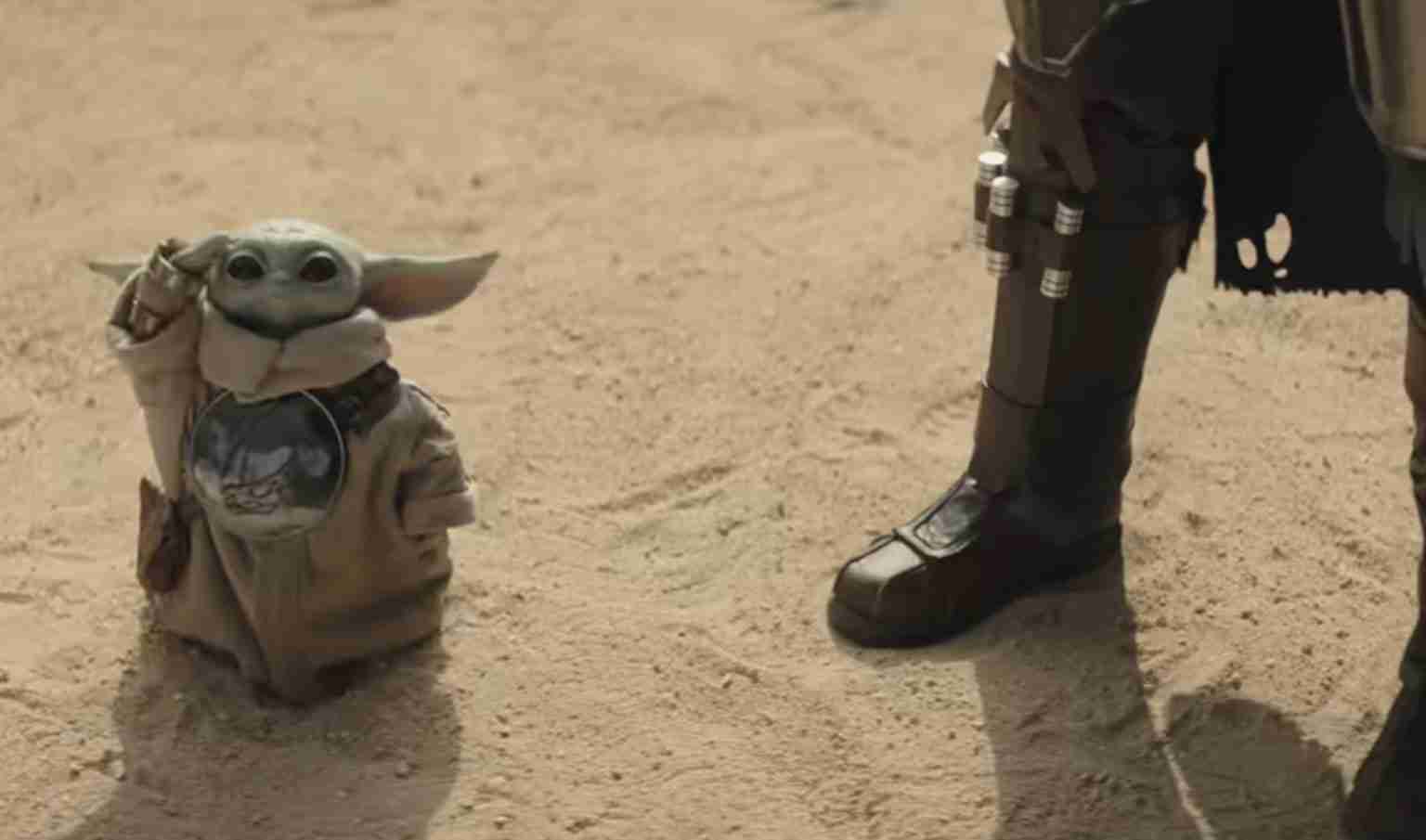
Successes include Rogue One, which found critical appreciation for its darker, wartime tone, and streaming hits like The Mandalorian and Andor, which demonstrated that serialized, character-driven storytelling could revitalize interest.
But gains were uneven. Solo: A Star Wars Story underperformed relative to expectations, and entries in the sequel trilogy — notably The Last Jedi and The Rise of Skywalker — produced sharp divides between critics and many fans. The net effect: the old assumption that a new Star Wars release would automatically draw universal support has weakened.
What went wrong? Creative decisions, corporate strategy, or both
Observers point to several overlapping factors:
- Lack of unified creative vision: Rapid scaling — more films, more series — strained coherent tone, long-term character arcs and thematic continuity.
- Leadership choices under scrutiny: While many credit Bob Iger and Kathleen Kennedy for protecting the brand, critics say inconsistent oversight and a push for volume sometimes prioritized churn over craft.
- Streaming-first pressures: New distribution incentives changed production priorities and audience expectations, complicating the theatrical roadmap.
“When too many cooks are allowed to reimagine the kitchen, long-time customers notice.” — Industry sentiment summarizing fan frustration
Box office and critical metrics tell part of the story
Numbers from box office trackers and review aggregators show swings in performance. The Force Awakens posted blockbuster totals; later theatrical releases produced smaller returns and clearer warning signs (for example, Solo’s tepid opening). Aggregators reveal sharp project-to-project variation in critical and audience reception.
At the same time, streaming successes complicate the narrative: The Mandalorian and Andor proved that serialized storytelling can rebuild trust, but those wins haven’t fully restored confidence in Disney’s cinematic approach.
Marketing, audience fatigue and the politics of content
Some conservative audiences frame concerns two ways: a business argument — that uneven output hurts consumers and local businesses dependent on event cinema — and a cultural critique — that certain creative choices stray from traditional franchise expectations. Whether viewed as principled critique or partisan pushback, the result is the same: a portion of the audience evaluates tickets and subscriptions more carefully than before.
Implications for Redding, California
Economic impact
Local theaters, concession vendors and nearby restaurants depend on big releases to drive foot traffic. When audiences choose streaming over theater trips or when blockbusters underperform, weekend revenues drop and workers who rely on opening-week sales feel the effect.
Political consequences
Redding’s conservative voters often focus on stewardship of cultural institutions and market accountability. Perceptions of mismanagement at firms like Disney can fuel local conversations about corporate transparency, consumer choice and cultural representation.
Social effects
Star Wars has historically been a multigenerational connector — driving family outings, costume meet-ups and student interest in filmmaking. Diminished enthusiasm reduces those shared local experiences, though quality streaming content can still sustain fan culture at home.
Cultural relevance
Conservative residents who feel alienated by perceived tonal changes may disengage, creating opportunities for local theaters and independent creators to program alternatives that resonate with community values.
Practical applications for residents
- Check reviews and box-office momentum before planning family theater outings; local cinemas post showtimes and seat availability online.
- Support independent theaters and community arts programs that offer diverse programming and event tie-ins to classic franchises.
- Organize local viewings and fan events to keep community engagement alive even when national sentiment shifts.
Accountability and the road ahead
From a conservative business perspective, the Star Wars story under Disney is a reminder that brand value is not limitless. Restoring automatic trust requires disciplined product management, clearer long-term plans and creative accountability. The choices Disney makes will play out not just on Wall Street, but in town halls, theaters and living rooms across communities like Redding.
Sources for industry context and metrics
- New York Times reporting on the acquisition of Lucasfilm
- Wikipedia summary of the Disney‑Lucasfilm acquisition
- Star Wars: The Force Awakens box office (Box Office Mojo)
- Solo: A Star Wars Story — Wikipedia (box office & reception)
- Star Wars: The Last Jedi (Rotten Tomatoes)
- Star Wars: The Rise of Skywalker (Rotten Tomatoes)
- Rogue One: A Star Wars Story (Rotten Tomatoes)
- The Mandalorian (Rotten Tomatoes)
- Andor (Rotten Tomatoes)
- The Acolyte (Rotten Tomatoes)