Democrats use Munich Security Conference to slam Trump, sharpen foreign-policy profiles ahead of 2028
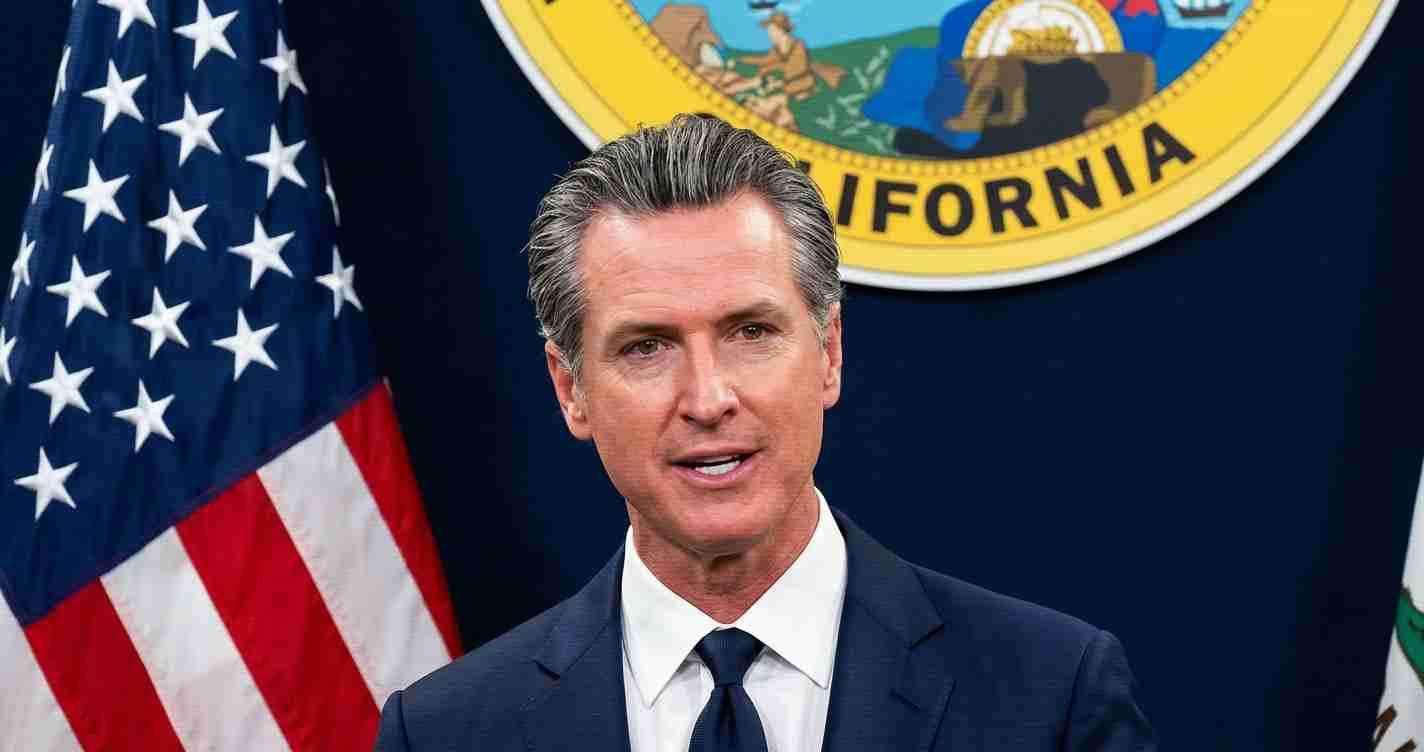
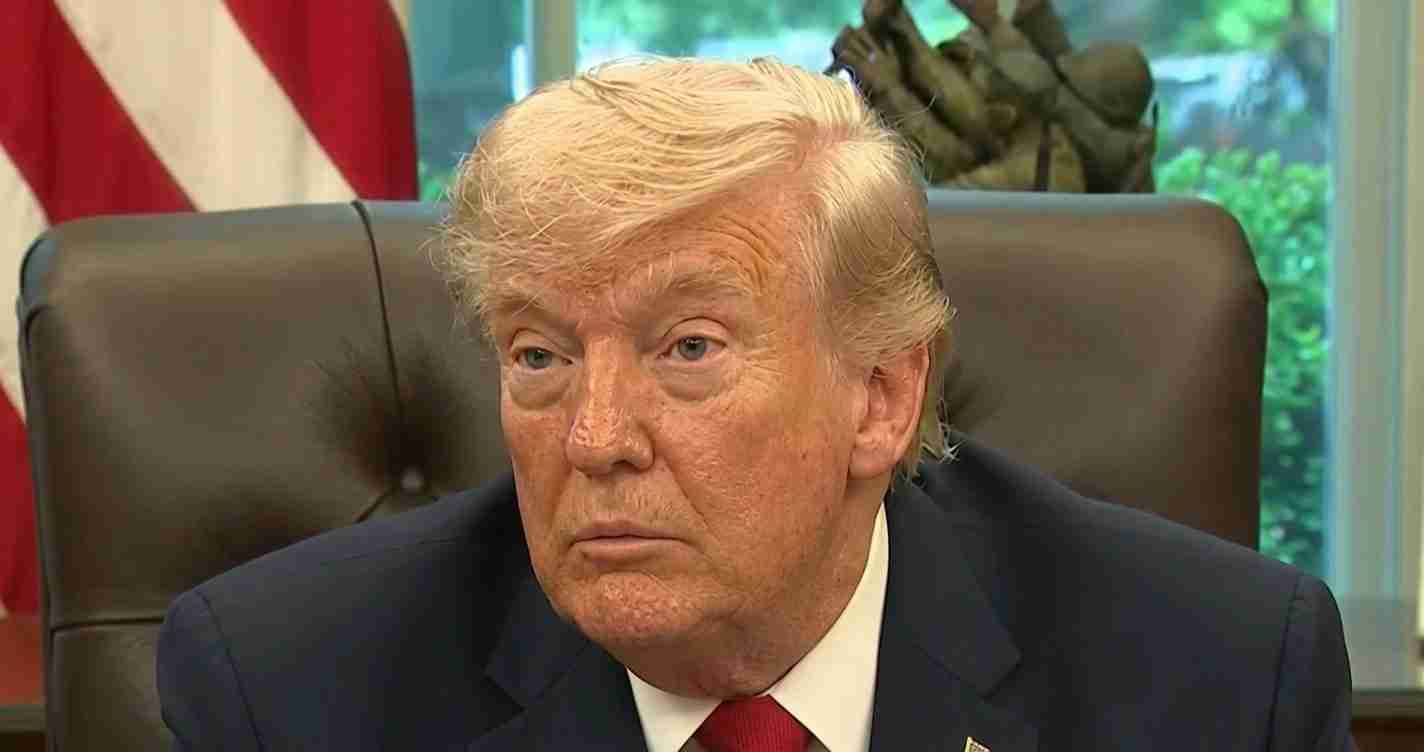
At the Munich Security Conference, Democrats including Gov. Gavin Newsom and Rep. Alexandria Ocasio-Cortez sharply criticized former President Donald Trump’s foreign-policy agenda, using the forum to build international profiles and reassure European allies ahead of the 2028 cycle.
- High-profile critiques: Newsom’s Munich remarks framed Trump as a temporary force and attacked climate-policy rollbacks.
- Norms and alliances: Ocasio-Cortez’s town hall comments warned that the administration is weakening transatlantic ties and urged swift domestic action like a wealth tax.
- Pre-2028 positioning: Multiple Democrats used Munich as a stage to reassure allies and to present alternative foreign-policy visions, a pattern seen as early campaign positioning (ABC News, Fox News).
Munich stage and motive: why Democrats are on the defensive and on display
The Munich Security Conference is one of the year’s most visible gatherings for security and foreign-policy leaders. For U.S. politicians it is a direct channel to NATO partners — a place to rebut concerns and demonstrate a steady hand on global matters. This year, several Democrats leveraged the forum to criticize policies tied to the Trump administration and to outline alternative priorities while sharpening their foreign-policy résumés ahead of the 2028 cycle.
Newsom’s remarks: climate, allies and a timeline for change
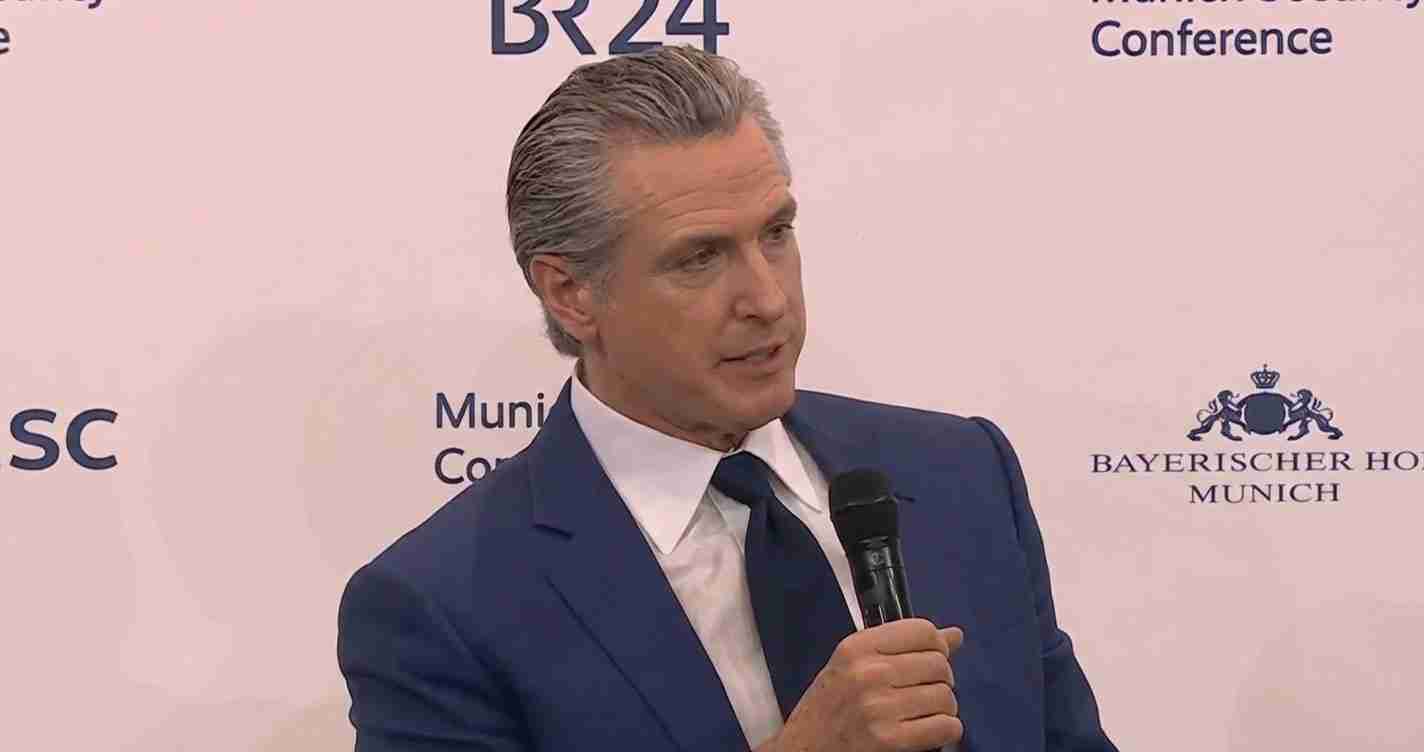
Gov. Gavin Newsom used a climate panel to deliver pointed criticism of the administration’s environmental decisions, saying,
“Donald Trump is temporary. He’ll be gone in three years.”
He described recent rollbacks to parts of the 2009 “endangerment finding” as benefiting oil, gas and coal interests and urged other leaders to “call this guy out.” These comments are documented in reporting from ABC News.
Context: Newsom’s international portfolio has broadened — from Davos to climate talks — and observers read his Munich appearances as part of a pattern of presidential positioning. Supporters argue the exposure reassures partners; critics call it early campaign maneuvering (Fox News).
Ocasio-Cortez’s message: norms, alliances and domestic policy
Rep. Alexandria Ocasio-Cortez used two Munich appearances, including a public town hall, to link foreign-policy criticism with progressive domestic priorities. She warned that the current administration is “tear[ing] apart the transatlantic partnership” and “rip[ping] up every democratic norm,” as reported by Fox News.
At the same town hall she connected international leadership to economic policy, saying a wealth tax should be pursued “expeditiously” and noting that progress on global credibility must align with domestic equity goals.
Other Democrats and the broader strategy
Newsom and Ocasio-Cortez were among a smaller cohort of Democrats using Munich to contrast with President Trump and reassure allies. Sen. Ruben Gallego previewed priorities about “rebuilding alliances and restoring steady American leadership,” while others used side events to outline approaches to geopolitical competitors such as China.
Organizers and former officials say the foreign-policy circuit increasingly serves as a testing ground for 2028 hopefuls — an opportunity to address allies’ unease and present distinct visions of U.S. global engagement. Conservative outlets, meanwhile, frame these appearances as early campaigning (Fox News).
How the Europeans hear it — and why it matters
European diplomats attend Munich seeking signals about U.S. policy continuity. Many were unsettled by the policy shifts of the Trump era; Democrats at the conference aimed to soothe those concerns and promise a restoration of transatlantic cooperation to confront challenges from Russia, China and other threats.
Limitations: Strategy experts note Democrats can reassure but not promise — the sitting president still sets policy. That tension — calming allies while avoiding overpromising — shaped how messages were framed overseas (ABC News).
Republican response and the domestic audience
Some Republican commentators criticized Democratic remarks as campaign staging. Conservative coverage highlighted the contrast between appeals to European allies and domestic priorities such as the economy, immigration and energy independence, arguing that international gestures may have limited traction with voters focused on pocketbook issues (Fox News).
Implications for Redding, California
- Economic and energy policy: Redding and Shasta County depend in part on energy and resource-sector jobs. Newsom’s criticism of federal rollbacks and push for renewed climate action could pressure tighter environmental rules that affect local industries (ABC News).
- Federal support and wildfire response: Local officials will watch whether national focus shifts back to multilateral security or toward federal resources for wildfire prevention, disaster relief and infrastructure — areas crucial for Redding’s resilience (ABC News).
- Political consequences at the ballot box: Redding voters skew conservative; messaging that frames Munich appearances as elite posturing may resonate with local voters focused on taxes, border security and energy (Fox News).
- Social and cultural resonance: Ocasio-Cortez’s wealth-tax push and Newsom’s climate warnings could heighten debates about government size, taxation and regulatory impact across rural and suburban communities.
- Practical impact for residents: For everyday residents, effects are indirect — filtered through federal funding, trade and energy rules. Watch how foreign-policy positioning connects to domestic proposals on taxes, energy and disaster aid (ABC News).
Reporting and sources
This story draws on multiple outlets that covered the Munich Security Conference and the Democratic appearances there. Key coverage includes ABC News’ look at how Democrats used Munich to reassure allies and boost profiles and Fox News’ reporting on specific remarks and the perception of pre-2028 positioning.
Further context
Observers say Munich will remain a key stop for U.S. figures seeking to demonstrate global experience. For Redding-area readers, the practical test is whether international diplomacy and campaign positioning translate into federal action that supports local priorities: jobs, public safety, wildfire resilience and sensible energy policy. The competing narratives aired in Munich — from calls to rebuild alliances to warnings about policy overreach — will play out as voters weigh national leadership against local needs (ABC News, Fox News).