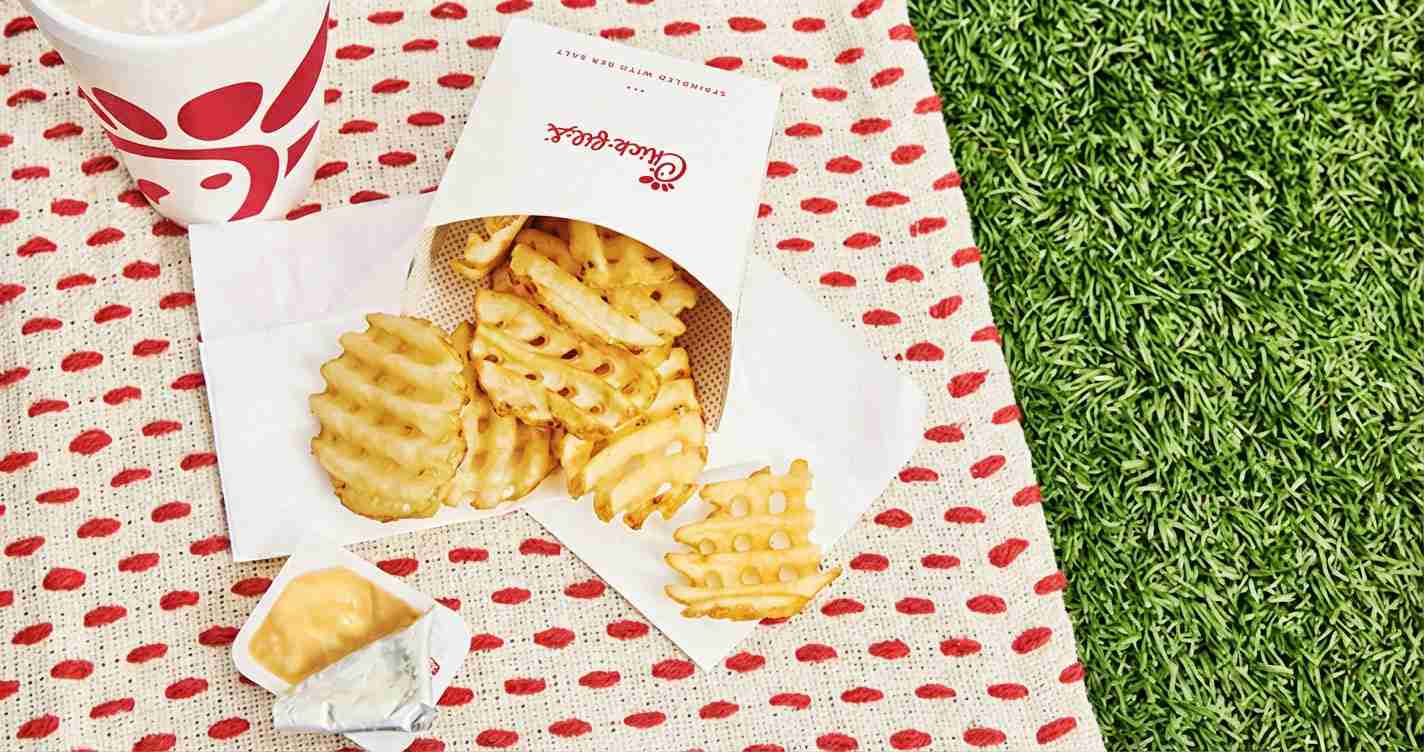
Chick-fil-A Reverses Waffle Fries Recipe After Loud Customer Backlash, Drops Pea Starch From Coating
Chick-fil-A has reversed a 2024 change to its waffle fries coating, removing pea starch in early 2026 after widespread customer complaints that the tweak dulled flavor, altered texture and raised concerns about legume-related allergens and prompted a public rollback.
- Pea starch removed: Chick-fil-A dropped pea starch from its waffle fry coating in early 2026 after customers said the change dulled flavor and altered texture (The Daily Meal; Forever York).
- Why it was added: Pea starch — chosen for its high amylose content after more than a year of testing — aimed to keep fries crispier longer for delivery and drive-thru orders (The Daily Meal).
- Ingredient update: Chick-fil-A’s current ingredient list omits pea flour and pea starch and shows modified food starches from corn, potato and tapioca, rice flour, salt, leavening agents and seasonings; a company representative confirmed the reversal (Forever York; The Daily Meal).
- Nutrition & price: Medium fries remain listed at about $3.85 and ~420 calories (24 g fat, 45 g carbs, 5 g fiber, 1 g sugar, 5 g protein, 240 mg sodium) (The Daily Meal).
What changed and why
Background: In late 2024 Chick-fil-A adjusted its waffle fries coating to include pea starch after more than a year of testing. The technical goal was straightforward: improve and prolong crispiness for off-premises orders by leveraging the starch’s high amylose content to boost crunch (The Daily Meal).
Customer reaction: taste, texture and social media
The technical win did not equal customer satisfaction. Social channels filled with complaints that the fries were “too hard,” “bland,” or “not the same,” with longstanding fans urging a return to the original coating even at the expense of quicker sogginess. Reddit threads and Instagram posts framed the change as a loss of a familiar flavor dating back to the waffle fries’ 1985 debut (The Daily Meal).
Customer backlash and public health concerns
Beyond taste, allergen concerns emerged. Pea starch can be a protein-extracted ingredient; although not always listed as an allergen under some rules, groups such as Allergy UK caution that legume-derived ingredients may retain trace proteins that could affect people with legume sensitivities. Removing pea starch reduces those concerns for customers worried about legumes, even if serious pea allergies remain comparatively rare (The Daily Meal).
Company response and ingredient list update
After months of complaints Chick-fil-A updated its public ingredient information and confirmed to media outlets that pea starch and pea flour are no longer in the waffle fry coating. The current list shows modified food starches of corn, potato and tapioca, rice flour, salt, leavening agents and seasonings, with potatoes fried in canola and vegetable oils — a move that signals willingness to reverse a change when customer feedback is sustained (Forever York; The Daily Meal).
Customer reaction after the reversal
Online response to the rollback was largely positive. Many users reported the fries “tasted how they used to,” while a minority missed the crispier pea-starch version or noticed little difference. The debate underscores how chains must balance operational fixes for delivery with the emotional attachment customers have to legacy flavors (The Daily Meal).
Business and branding implications
Brand risk and customer loyalty: The episode is a case study in customer influence. A technical ingredient change intended to solve a delivery-quality issue instead risked alienating a vocal base. The rollback suggests that, for some brands, perceived flavor and tradition outweigh marginal operational improvements. It also demonstrates that persistent consumer feedback can force a national chain to change course (The Daily Meal).
Implications for Redding, California
Economic impact
Local Chick-fil-A locations in the Redding area may see stabilized or improved sales as customers return after the reversal. Franchise revenues, shift patterns and lunch/evening foot traffic could normalize. Delivery drivers and third-party services might notice minor shifts: the pea-starch version improved crispness on arrival, so its removal could slightly affect perceived delivery quality and related tips.
Political consequences
For conservative readers in Redding, the episode can be framed as market responsiveness: a private company listening to customers rather than regulators. While unlikely to change local policy, it may feed talking points about regulatory overreach versus market-driven solutions on food labeling, allergens and consumer choice.
Social effects
Waffle fries are comfort food for many. Restoring the original recipe matters for family meals, school fundraisers and community gatherings. The episode also spotlighted food sensitivities; local groups and schools may be more careful to confirm ingredient lists for guests with legume sensitivities.
Cultural relevance
In communities that value tradition, the debate over waffle fries tapped into preferences for legacy flavors. Restoring the original feel will likely resonate with residents who prioritize continuity in family dining and local customs.
Practical applications for local residents
- Allergy-minded customers: Verify ingredient info at purchase; Chick-fil-A’s updated list no longer lists pea starch or pea flour, but always confirm if you have severe legume sensitivities (The Daily Meal; Forever York).
- Delivery expectations: If you ordered during the pea-starch experiment, expect slightly less crisp fries on arrival under the restored recipe; plan accordingly if crispness at delivery matters.
- Nutrition & price: Public listings still show medium fries at about $3.85 and roughly 420 calories with ~24 g fat; check the company’s nutrition facts for updates (The Daily Meal).
What to watch next
Industry watchers will monitor whether Chick-fil-A pursues other recipe changes to meet delivery demands or whether it prioritizes customer taste first. This rollback sets a precedent for how national chains may handle future tweaks to beloved menu items (The Daily Meal; Forever York).
Links to original reporting and sources
– The Daily Meal: Chick-fil-A change and reversal reporting
– Forever York: Coverage of Chick-fil-A reversing the recipe change
Bottom line: Chick-fil-A listened to sustained customer feedback and reversed the pea-starch change — a reminder that operational fixes must pass the test of taste and tradition.