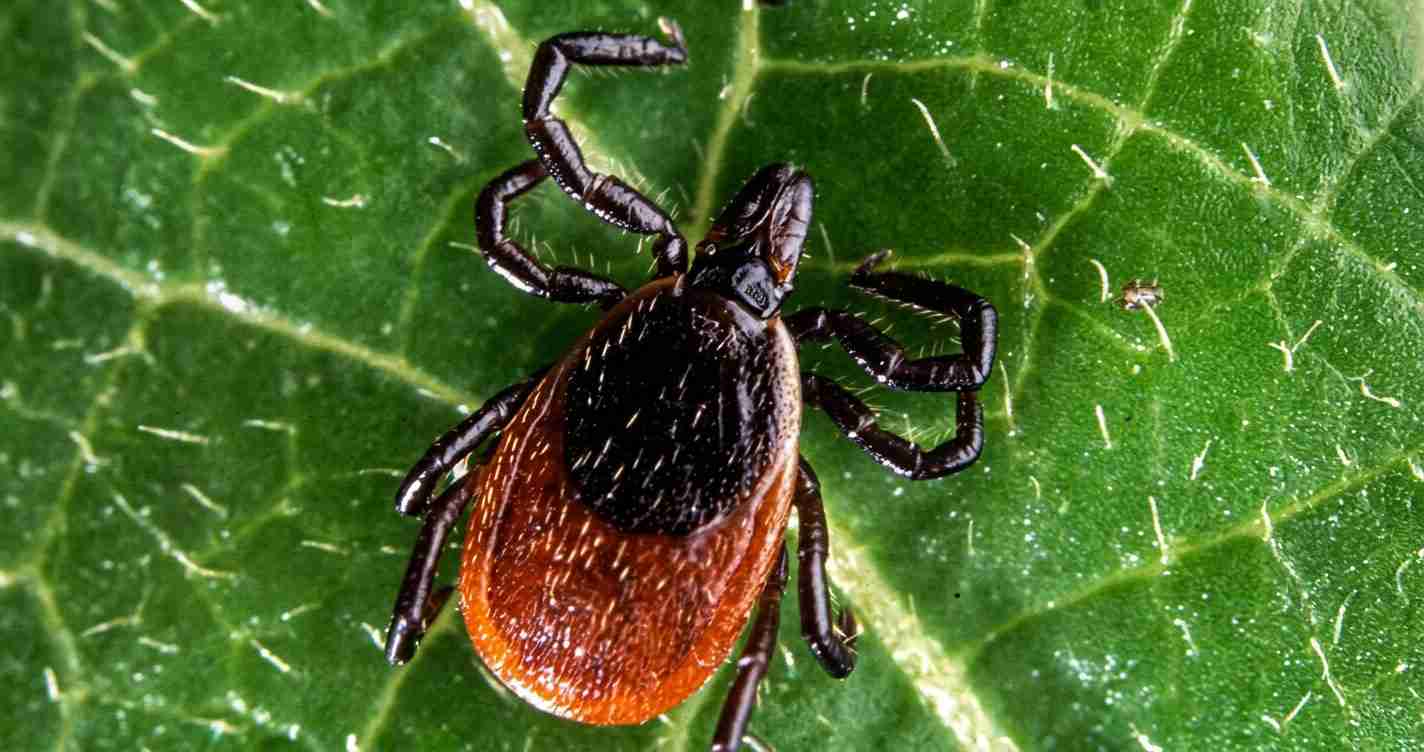
ATLANTA, June 23 (Our Illinois Times) — Powassan virus, a rare tick-borne infection seen most often in the Northeast and Great Lakes, can be passed in minutes after a tick attaches, according to federal public-health sources.
The Centers for Disease Control and Prevention says reported cases have risen in recent years, even though the illness remains uncommon in the United States. The agency says most U.S. cases occur from late spring through mid-fall, when tick activity is highest.
Early symptoms can include fever, headache, vomiting and weakness, the CDC says. In more serious cases, the infection can progress to encephalitis or meningitis and cause confusion, loss of coordination, speech problems, seizures and paralysis.
The CDC says there are no vaccines to prevent Powassan virus disease and no medicines to treat it. For neuroinvasive cases, the agency says about 10% are fatal and about half of survivors have long-lasting neurologic deficits.
The Defense Centers for Public Health–Aberdeen says studies show the virus can be transmitted in as little as 15 minutes of feeding, while a peer-reviewed case report described transmission within hours. CDC guidance identifies blacklegged, groundhog and squirrel ticks as the main vectors and says older adults, children and immunocompromised people are at higher risk for severe disease.
A Defense public-health page said CDC counted about 397 reported U.S. cases from 2004 through 2024. Peer-reviewed reviews describe the virus as endemic in northeastern and north-central North America and note that many recognized cases are neuroinvasive.