
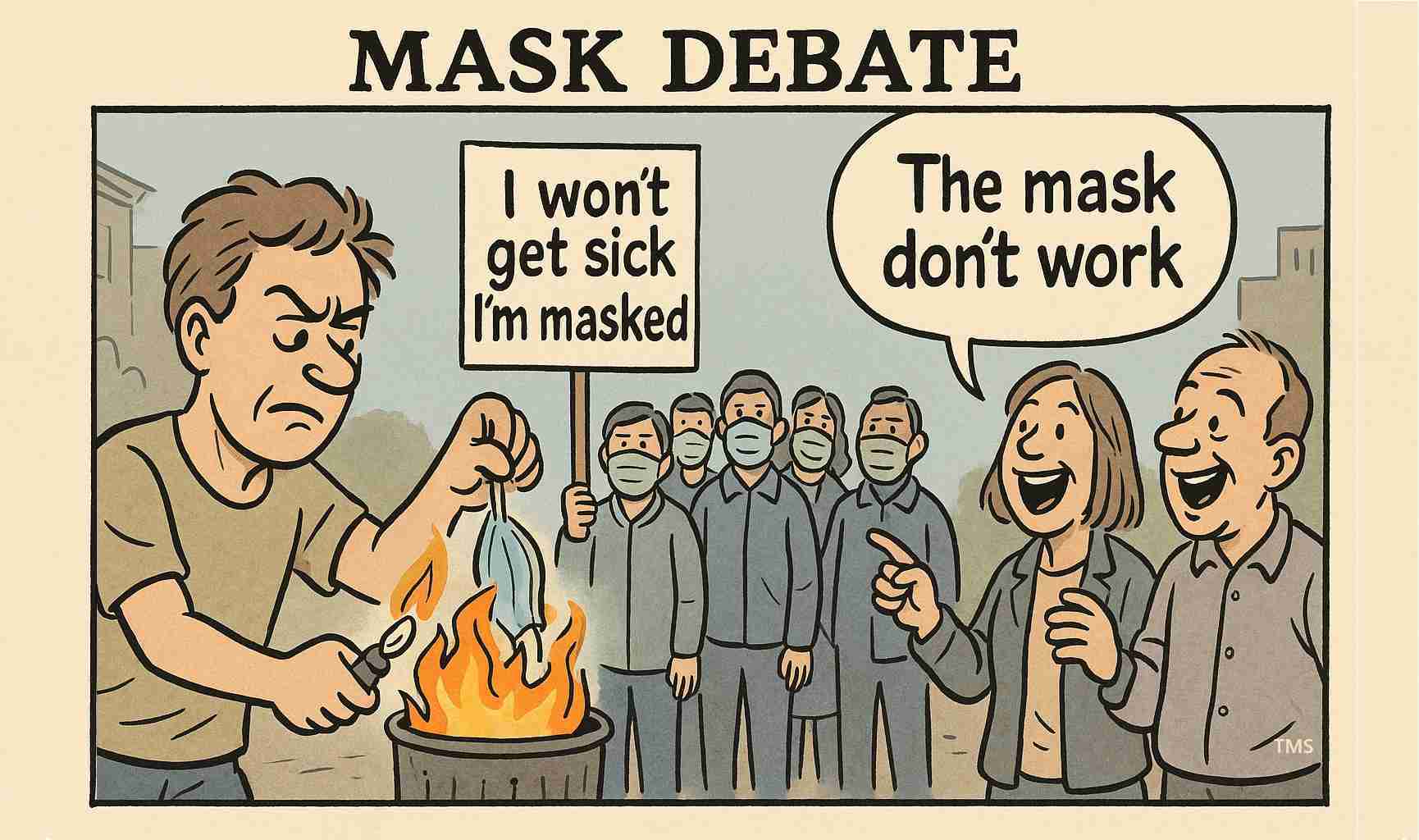
California COVID summer surge sparks mask advisory as officials warn of ‘Stratus’ spread amid public fatigue
Lede: California is facing a late-summer COVID-19 surge driven by the new ‘Stratus’ variant, with rising test positivity and wastewater signals prompting health officials to urge indoor masking despite widespread mask fatigue and uneven vaccine access.
Key takeaways
- Los Angeles Times: New “Stratus” variant tied to Omicron is driving a late-summer rise and appears more easily transmitted.
- ABC7: Wastewater monitoring shows high viral levels across much of California, signaling widespread community spread.
- Testing: Central California reported positivity up to 18.4%, Los Angeles County around 15%, statewide average near 12.1% and rising (Stocktonia).
- Public guidance: State officials recommend resuming indoor masking to protect vulnerable people even as mandates remain limited (California Department of Public Health; Lookout).
Why officials are urging masks now
Hard signals from surveillance are driving recommendations: wastewater monitoring shows viral concentrations at levels seen in prior waves, and test positivity is climbing in many counties.
Epidemiologists point to the Stratus variant—an offshoot of Omicron—as a factor in later-summer transmission increases, particularly among younger people and families returning from travel and school-related activities (Los Angeles Times).
“Wastewater and rising test positivity together suggest community spread that testing alone may not fully capture,” public health experts say.
Mask guidance and policy shifts
California’s strategy emphasizes recommendations over universal mandates. The California Department of Public Health describes masks as a valuable tool for crowded or poorly ventilated indoor settings. Local authorities retain the option to issue orders if local risk is high.
Messaging focuses on personal responsibility and risk-based decisions—asking residents to consider the risk they pose to family, coworkers and customers rather than imposing blanket requirements (Lookout).
Mask fatigue and falling compliance
Mask fatigue is a major barrier: many Californians report weariness after years of masking, and a sense that the virus poses less threat because symptoms are often milder. That reduces voluntary compliance, especially in places where local leaders leave decisions to individuals and businesses (Lookout).
Investigations highlight confusion from changing rules, delays in updated vaccine delivery, and mixed messages from different authorities—factors that fuel skepticism and uneven behavior across counties (ABC7; Los Angeles Times).
Testing, vaccines and hospital pressure
Testing positivity offers a simple local gauge: statewide averages are around 12.1%, while pockets—especially in the Central Valley—are much higher (up to 18.4%) and can strain clinics and testing capacity (Stocktonia).
Vaccine protection is helping blunt severe outcomes, keeping hospitalizations and deaths below earlier surge peaks. Still, uneven access to updated vaccine doses has left some vulnerable residents waiting, which matters most for older adults and immunocompromised people (Los Angeles Times).
Why wastewater matters
Wastewater surveillance provides early detection: rising viral levels in sewage often foreshadow increases in clinical cases and hospital visits. Recent ABC7 reporting shows wastewater at high levels statewide, which public health experts say should prompt stronger indoor masking and testing strategies in coming weeks (ABC7).
Regional disparities: Central and rural areas hit harder
Data show higher positivity in the Central Valley and some inland/rural Northern California counties compared with coastal metro areas. Central California reported up to 18.4% positivity—reflecting lower vaccination rates, fewer health resources and crowded housing in some communities (Stocktonia).
Implications for Redding, California
Economic: Small businesses in Redding may face staff shortages and reduced hours if infections rise; voluntary masking at businesses can help keep operations running.
Political: Mask guidance reopens tensions between state recommendations and local control. Redding leaders may face pressure to avoid broad mandates while balancing public health and voter preferences.
Social & cultural: Schools, faith communities and organizations serving seniors should prepare for possible spikes after Labor Day and school start; messaging that frames masking as protecting family and keeping businesses open may resonate more locally.
Practical steps: Consider masking indoors when community positivity is high or ventilation is poor, offer masks at businesses, plan for rapid isolation/testing in households with vulnerable people, and alert clinics/pharmacies to vaccine and testing demand.
Sources
- ABC7 — Wastewater and statewide surge reporting
- Los Angeles Times — Reporting on the Stratus variant and California rise
- Stocktonia — Central Valley positivity reporting
- Lookout — Mask recommendations and public response
- California Department of Public Health — State guidance on masks
Reporting by Times Media Service



