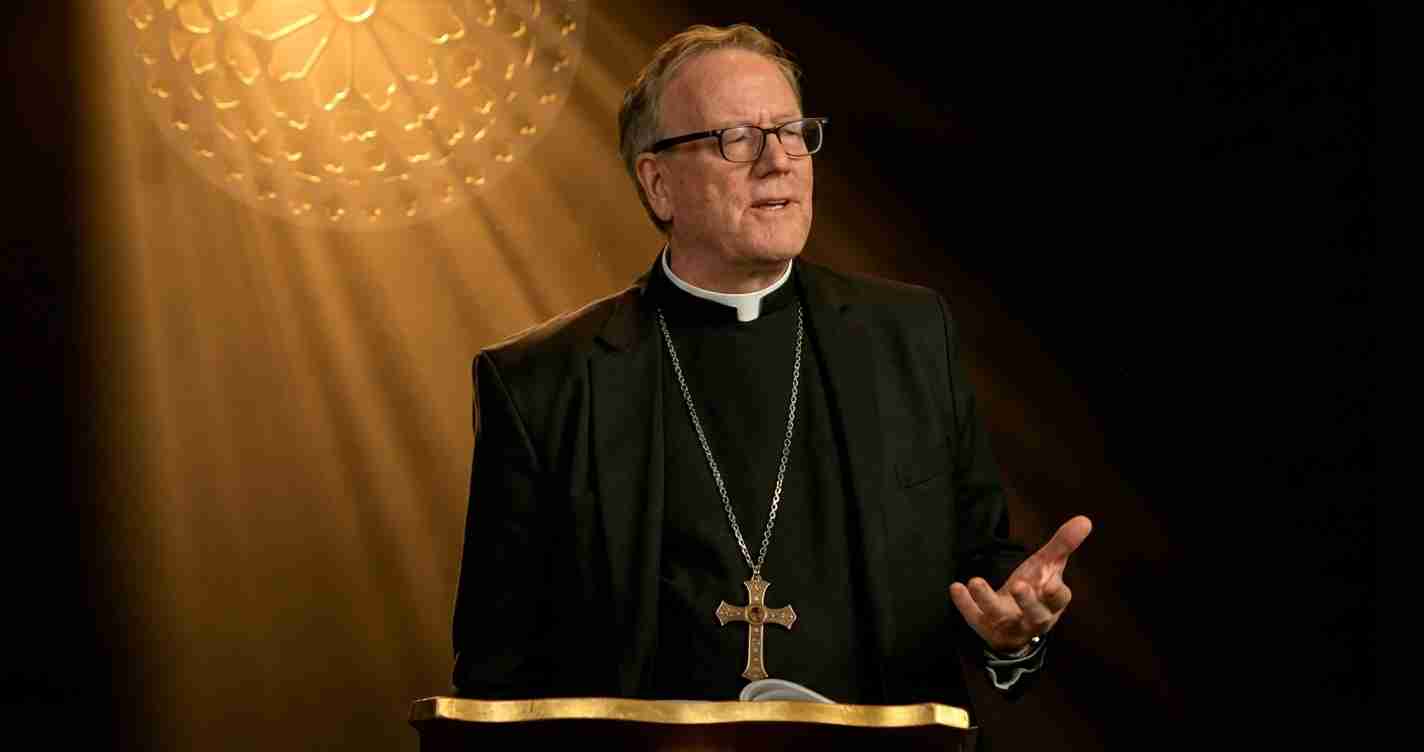
Bishop Robert Barron rips Zohran Mamdani’s “warmth of collectivism” line — sparks national debate over faith, freedom and city policy
Bishop Robert Barron sharply criticized New York Mayor Zohran Mamdani’s inaugural remark about replacing “rugged individualism” with “the warmth of collectivism,” igniting a national debate over Catholic teaching, freedom, and municipal policy moves in New York City.
Key takeaways
- Bishop Robert Barron publicly condemned Mayor Mamdani’s phrasing as contrary to Catholic social teaching, warning collectivism can curtail freedom.
- Mayor Mamdani quickly issued housing and executive orders, prompting criticism from national Republicans and some Jewish leaders.
- Conservative and faith outlets amplified the exchange; Redding, California, officials are watching for local policy implications.
Key information
- Bishop Robert Barron, bishop of Winona‑Rochester and founder of Word on Fire, wrote on X that Mamdani’s line “took my breath away,” adding, “For God’s sake, spare me the ‘warmth of collectivism.’” (Sources: Fox News — Bishop Robert Barron slams Zohran Mamdani; Christian Post — Top responses to Zohran Mamdani inaugural address.)
- Barron argued that 20th‑century collectivist regimes caused massive suffering and singled out modern socialist governments such as Venezuela, Cuba and North Korea as “disastrous,” stating Catholic social teaching condemns socialism while supporting market principles that protect human dignity. (Sources: Fox News — Bishop Robert Barron slams Zohran Mamdani; Christian Post — Top responses.)
- Zohran Mamdani, a self‑described democratic socialist and New York’s first Muslim mayor, used family Qurans at a private swearing‑in and said in his inaugural: “We will replace the frigidity of rugged individualism with the warmth of collectivism.” (Sources: Fox News — Bishop Robert Barron slams Zohran Mamdani; AOL News — Mamdani inaugurated; Gabriella Hoffman — Substack commentary.)
- Mamdani moved rapidly on policy — reviving tenant protection offices, issuing housing executive orders and revoking orders from predecessor Eric Adams — actions that drew criticism from national Republicans and some Jewish leaders. (Source: Fox News — Coverage of Mamdani’s early orders.)
What Barron said — and why it matters
Bishop Barron’s reaction was swift and public. He posted on X that Mamdani’s phrase “took my breath away,” urging critics to reject what he called a dangerous embrace of collectivism. Barron tied his objections to a long Catholic tradition that, he said, rejects socialism in favor of systems that protect human dignity and liberty.
“For God’s sake, spare me the ‘warmth of collectivism,’” Barron wrote, warning that rhetoric that romanticizes collectivism can normalize policies that curtail freedom.
Barron and other critics point to 20th‑century deaths under communist regimes as a cautionary example; they argue Catholic social teaching endorses human freedom, private property and market mechanisms while also calling for care for the poor. Opponents of Barron’s reading say Catholic teaching can also justify stronger government action to protect vulnerable communities.
Mamdani’s inaugural and early orders
Mamdani’s inaugural language framed a policy agenda centered on shared responsibility and city‑led housing action. Within hours he revived the Mayor’s Office to Protect Tenants and launched two task forces — LIFT (locating city‑owned land for housing) and SPEED (to accelerate permitting for equitable development). (Source: Fox News — reporting.)
Mamdani also revoked all executive orders from former Mayor Eric Adams — including one that discouraged city agencies from boycotting Israel — prompting criticism from Jewish groups and Rep. Elise Stefanik. Mamdani’s office did not respond to Fox News requests for comment. (Source: Fox News — coverage.)
Political responses and the national reaction
Conservative leaders amplified Barron’s critique. Florida Gov. Ron DeSantis argued collectivism rests on coercion, while Sen. Ted Cruz warned that communist regimes strip rights. Commentators such as Gabriella Hoffman labeled Mamdani a communist and invoked family histories under Soviet rule to defend rugged individualism. (Sources: Fox News; Gabriella Hoffman — Substack.)
Coverage of the exchange has been strongest in conservative and faith‑based outlets, with limited early coverage in mainstream and liberal media. (Sources: Fox News; Christian Post; AOL News.)
Context on Mamdani and terminology
Zohran Mamdani ran as a democratic socialist and is widely described as New York’s first Muslim mayor. His framing of replacing “the frigidity of rugged individualism with the warmth of collectivism” signaled a push for more city‑led housing and tenant protections. Supporters say it emphasizes solidarity and public tools for housing; critics see it as a repudiation of individual rights and market solutions. (Sources: Fox News; AOL News.)
What Catholic social teaching says — and how it’s being used
Catholic social teaching is multifaceted: it formally condemns communism while urging care for the poor, just wages, and limits on unchecked market abuses. Barron and like‑minded critics interpret those doctrines as opposing socialism, while others see them as supporting stronger government action to protect vulnerable people. The debate frames two appeals to Catholic values: liberty and market order versus solidarity and state responsibility. (Source: Christian Post — analysis.)
Implications for Redding, California
Economic and policy lessons:
- Housing policy: Redding officials and voters monitor city and county housing debates; Mamdani’s orders show how mayoral rhetoric can become concrete programs that may clash with property‑rights concerns in Shasta County.
- Government role vs. private market: Local business owners may resist language that implies larger government oversight; permitting, development costs and small business regulation could become focal points.
Political consequences:
- Campaign messaging: Conservative candidates in northern California could adopt the New York exchange to argue against municipal overreach.
- Faith engagement: Barron’s intervention shows faith leaders can shape political conversations; expect local clergy to weigh in on policy that touches family life and religious freedom.
Social and cultural effects:
- Public sentiment: Debates may intensify between those favoring volunteerism and private charity and those calling for greater government programs.
- Civic participation: Controversies from big cities often spur activism in smaller communities — watch for increased public comment at city council and county forums.
Practical applications for daily life
- Property owners and renters: Monitor proposals echoing tenant protections or LIFT/SPEED‑style measures that could affect rental rules, permitting timelines and development priorities.
- Small businesses: Prepare for regulatory debates; local chambers of commerce may play a larger role in shaping how leaders balance growth and community welfare.
Reporting and attribution
This article is based on reporting that appeared in conservative and faith‑based outlets in early January 2026, including Fox News (Noticias) — Bishop Robert Barron slams Zohran Mamdani, the Christian Post — Top responses, and independent commentary such as Gabriella Hoffman — Substack, plus general coverage in AOL News — Mamdani inauguration.
Readers in Redding and northern California who want to follow local responses should watch city council agendas, county public comment periods and statements from faith leaders and business groups as national debates over freedom, faith and government policy play out at the local level.