
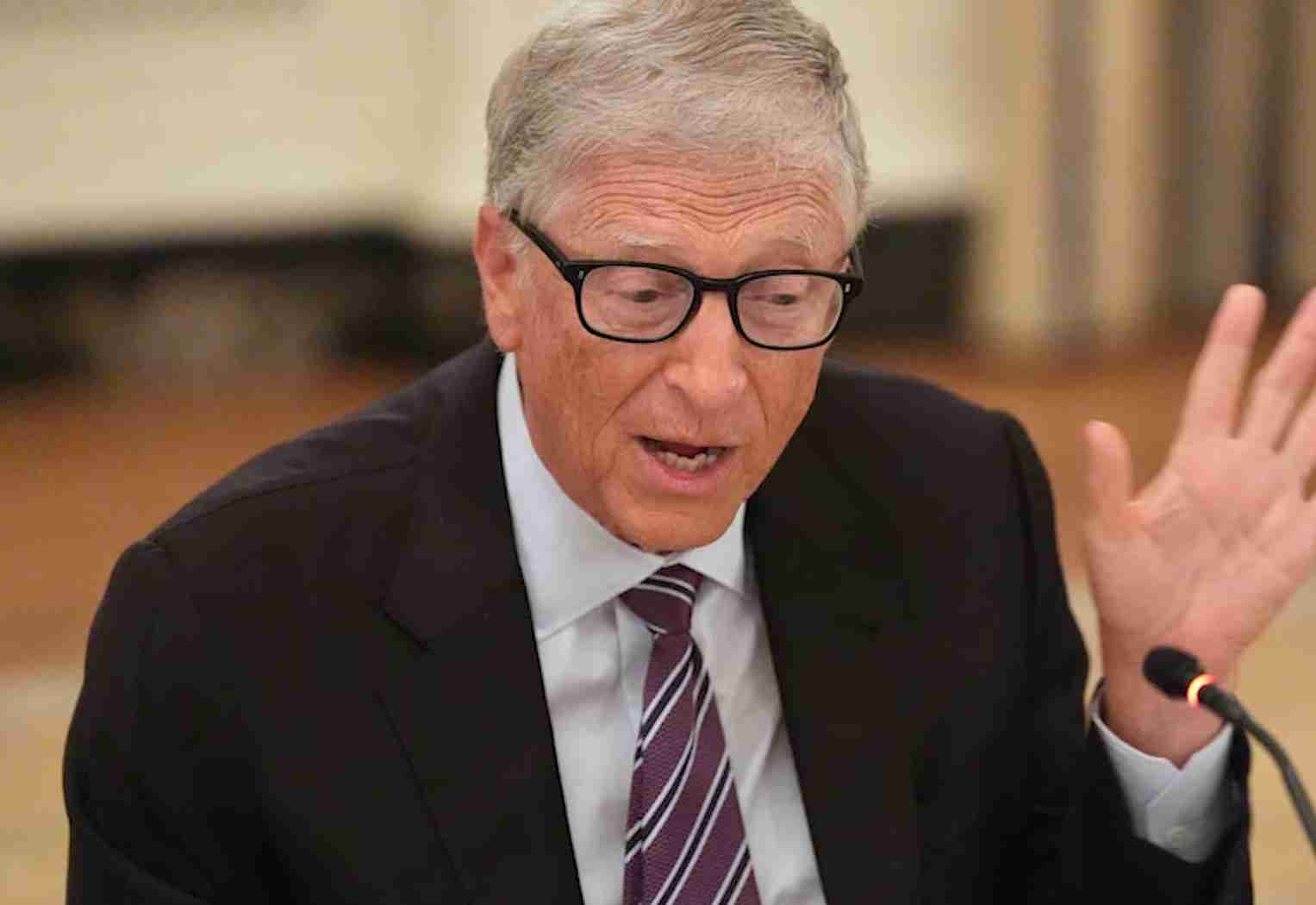
Bill Gates Urges Climate Pivot: Prioritize Poverty and Human Suffering Over Near-Term Emissions Cuts Ahead of COP30
Medina, Washington (Times Media Service) — Bill Gates urged a re-evaluation of climate strategy before COP30, arguing donors should shift some funds toward health, poverty reduction and infrastructure to reduce immediate human suffering in low-income, climate‑impacted regions and called for numerical proof each dollar reduces suffering.
- Shift some climate dollars toward health and poverty reduction to reduce near-term suffering in vulnerable countries.
- Measure success by lives improved — Gates wants numerical proof that spending reduces human suffering per dollar.
- Not abandoning emissions cuts — the proposal calls for balance: mitigation plus immediate relief and development.
Gates’ proposal and rationale
What he recommends: Gates released a memo urging governments and donors to redirect some climate resources toward vaccines, primary health care, sanitation and poverty reduction in warming regions — a call detailed in his Gates memo and summarized by Phys.org coverage. He emphasizes that improved health systems and faster economic development can cut deaths and suffering from climate shocks more quickly than near-term emissions reductions alone.
“If given a choice between eradicating malaria and a tenth of a degree increase in warming… I’ll let the temperature go up 0.1 degree to get rid of malaria.”
Gates stressed he is not abandoning long‑term greenhouse gas reduction; rather, he seeks a clearer balance between mitigation and immediate relief, and he urges donors to demand rigorous numerical proof that each dollar spent reduces suffering (Gates memo).
Sources, investments and timing
The Gates Foundation remains a major private funder of global health, education and development. Gates notes the foundation has invested tens of billions to reduce disease and poverty and warns that public aid cuts — for example, to vaccine alliances — are dangerous as global need grows (Mathrubhumi coverage; Gates memo).
The memo was released just ahead of COP30 in Brazil; Gates framed the timing as strategic to get leaders to review how limited climate funds are spent and whether reallocating resources could reduce suffering faster in vulnerable countries (Phys.org coverage).
Notable quotations
Gates on metrics: “This is a chance to refocus on the metric that should count even more than emissions and temperature change: improving lives. Our chief goal should be to prevent suffering, particularly for those… in the world’s poorest countries.” (Fox News report)
On malaria vs. warming: the stark example about eradicating malaria vs. a tenth of a degree increase in warming is repeated in several accounts (Mathrubhumi; Halifax CityNews).
Reactions and policy debate
Supporters call the shift pragmatic and morally urgent, arguing scarce funds should save lives now through vaccines and hospital care. Critics — including some climate scientists and environmental groups — warn deprioritizing emissions risks long‑term harm by locking in worse warming and higher future costs (Finance & Commerce analysis; Phys.org coverage).
Many experts call for both stronger emissions reductions and greater investments in resilience. Gates counters that innovation can reduce emissions over time without forcing present‑day sacrifices by the poorest, and that aid should be judged by lives improved per dollar (Gates memo).
Investigative questions: influence, measurement, and accountability
- Who decides the metric? Gates proposes well‑being and suffering reduction. Shifting the metric from emissions and GDP will change funding priorities and project design (Gates memo).
- How to measure “reduced suffering”? Health outcomes, income gains and lives saved are measurable but require sustained data collection and transparency — an implementation challenge (Phys.org coverage).
- Role of private foundations: The push highlights tensions between large private philanthropy and democratic, multilateral policymaking at COP30 (Mathrubhumi).
How this pivot might change international aid
If donors accept Gates’ framing, expect more funding for:
- Vaccination programs, disease control and maternal‑child health.
- Infrastructure that protects communities from extreme weather: water systems, hospitals and local emergency services.
- Economic development projects that raise incomes and reduce vulnerability to climate shocks.
Tradeoffs: These shifts could appeal to taxpayers and policymakers focused on measurable returns and immediate results, but will create tension with groups prioritizing near‑term emissions targets.
Implications for Redding, California
Economic and emergency resilience
Redding and Shasta County face risks from extreme weather and wildfire. A Gates‑style shift toward resilience could bring more federal and private funds for emergency services, hospital capacity and evacuation systems — money that directly helps residents cope with heat, smoke and floods (Phys.org coverage).
Public health and social services
Emphasis on vaccines, disease control and primary care could bolster local public health programs. For conservative readers in Redding, the approach offers practical results: fewer hospitalizations, lower health costs and quicker disaster recovery (Mathrubhumi coverage).
Local economy and jobs
Redirected aid toward infrastructure and development can create construction, utilities and health‑service jobs. Redding businesses supplying local projects could benefit, and measurable, near‑term projects may attract taxpayer support (Gates memo).
Political consequences
Gates’ argument aligns with themes of prioritizing human welfare, efficient use of funds and accountability. Local and state leaders may find areas of agreement even as debates over emissions policy continue (Fox News report).
Practical applications for residents
- Advocate for funding that strengthens hospitals, upgrades water systems and improves evacuation planning.
- Support grants and projects that produce local jobs and reduce immediate risk.
- Redding nonprofits serving low‑income residents could seek new funding if donors shift to well‑being metrics.
Sources and further reading
- Bill Gates memo and GatesNotes
- Phys.org coverage
- Fox News report
- Mathrubhumi coverage
- Halifax CityNews
- Finance & Commerce analysis
This report preserves Gates’ proposals, the evidence he cites, and the debate his call has sparked ahead of COP30 — raising practical questions for governments, donors and local leaders about weighing immediate human needs against long‑term emissions goals.



