El Capitan fall kills Alaskan climbing star Balin Miller during Yosemite descent
Balin Miller, 23, an Alaskan climber, died Wednesday after rappelling off the end of his rope from Yosemite’s El Capitan; the National Park Service is investigating the fall — the third climbing fatality in the park this summer.
Key takeaways
- Victim: Balin Miller, 23, from Anchorage, Alaska (confirmed by family).
- What happened: Miller fell while rappelling off the end of his rope; the National Park Service has opened an investigation.
- Context: The death occurred on the first day of a federal government shutdown, when some park services were limited.
- Community reaction: Tributes and safety conversations followed online; Miller’s livestream and distinctive gear had earned him a wide following (coverage and tributes).
Main content
Details of the incident
Officials said Miller fell during a rappel when he went off the end of his rope — a known and deadly hazard in technical climbing. Yosemite emergency crews responded, and the National Park Service has launched an investigation into the circumstances surrounding the fall (LA Times, ABC30).
What rappelling off the end of a rope means
Rappelling off the end of a rope happens when a climber lowers and discovers the rope is too short or the anchor has shifted, leaving no rope below. On big walls like El Capitan climbers use multiple ropes and complex anchors; errors in rope length, knot placement or anchor setup can be sudden and fatal (LA Times).
Climbing experts: rappelling is as technical as the ascent and requires careful, repeated checks — even for skilled alpinists.
About Balin Miller
Miller built a following as an up-and-coming alpinist who often filmed his climbs and camped on big walls. Followers nicknamed him the “orange tent guy” for the bright gear he used. Many watched Miller’s multi-day climb of El Capitan via a TikTok livestream that drew viewers before the accident.
Family: His mother, Jeanine Girard-Moorman, confirmed his identity and said he loved climbing for the challenge rather than fame or money (ABC News).
El Capitan: a reminder of inherent risk
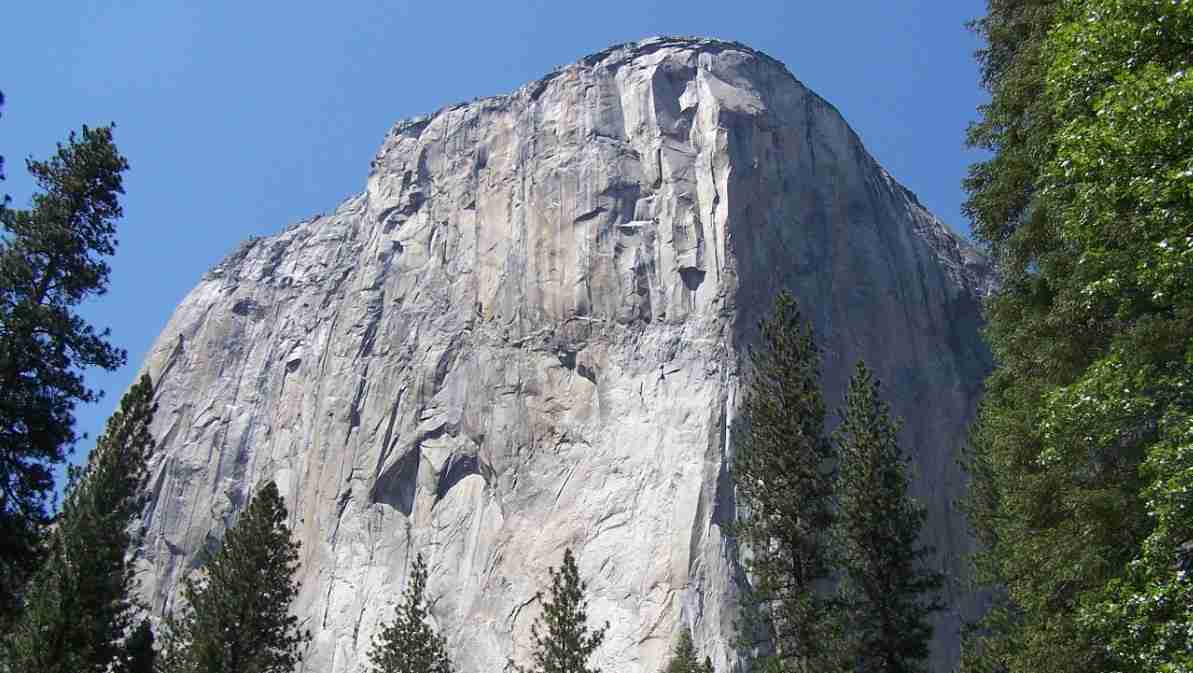
El Capitan is a roughly 3,000‑foot sheer granite wall and one of the world’s most famous big‑wall climbs. Its history of notable ascents highlights both its global status and the skill required. Deaths at Yosemite are uncommon but do occur; this summer’s cluster of climbing fatalities — Miller’s being the third — has renewed calls for emphasis on rope management and descent protocols (ABC News).
Community response and safety questions
Social media filled with grief and shock. Fellow climbers posted memories and urged others to double-check systems, citing basic rappel practices — backup knots, tying off anchors, and clear communication — as lifesaving habits. Some commentators also cautioned that broadcasting multi-day climbs can create pressure to move faster or take risks to satisfy an audience (Climbing).
Trainers and guides signaled they will likely increase public workshops in Yosemite and online as the community seeks practical ways to reduce accidents (LA Times).
Federal shutdown and park operations
The accident occurred on the first day of a federal government shutdown. During shutdowns, parks can remain open but operate with reduced staff and closed visitor centers. Park officials noted emergency response teams did act but have not publicly linked the shutdown to response times or investigation timelines (ABC30, ABC News).
Public questions: some asked whether funding gaps affect public-safety readiness on federal lands; local volunteer groups often fill gaps during slowdowns.
Implications for Redding, California
Economic and recreational impact: Redding, within a day’s drive of Yosemite, may see mixed effects — some visitors postpone big-wall trips while others seek training or guided services, potentially increasing demand for safety classes and gear checks.
Local search and rescue: Redding and Shasta County volunteer teams work with state and federal partners; high-profile incidents at Yosemite often prompt reviews of procedures, training and equipment needs (LA Times).
Politics and funding: For some local audiences, the timing on the first day of a federal shutdown raises questions about maintaining emergency readiness during funding disruptions; others emphasize individual responsibility and training.
Social effects: Miller’s death may encourage more local safety workshops, mentorship programs, and use of climbing gyms and guide services as training hubs (Climbing).
Practical steps for locals
- Refresh skills: Attend local rappel and rescue clinics; inspect ropes, knots and anchors before major climbs (LA Times).
- Support SAR: Donate to or volunteer with county search-and-rescue teams to help maintain readiness (ABC News).
- Watch and learn: Review analysis from experienced climbers that breaks down common rappel errors (ABC30).
Investigation and unanswered questions
The National Park Service continues to investigate specifics: rope length, anchor setup, knots and whether equipment failure or human error played a role. Those answers matter both for accountability and for guiding future safety efforts (LA Times, ABC News).
Sources
- https://abcnews.go.com/US/wireStory/alaskan-climbing-star-dies-fall-yosemites-el-capitan-126165423
- https://abc30.com/post/alaskan-climbing-star-dies-fall-yosemites-el-capitan/17926371/
- https://www.latimes.com/california/story/2025-10-02/popular-climber-falls-to-his-death-on-yosemites-el-capitan
- https://www.climbing.com/news/alpinist-balin-miller-dies-in-yosemite/