
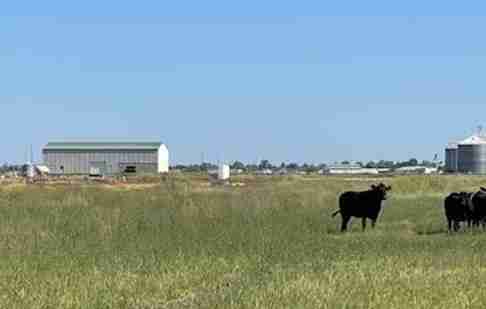
Colusa Gets USDA- and CDFA-Certified Meat Processing Plant, Targeting Q4 2025 Startup
A USDA- and CDFA-certified meat processing facility is being built in Colusa, California, to start operations in Q4 2025, creating 44 direct jobs and expanding regional processing capacity for Northern California butcher shops and specialty markets.
- New processing capacity: Phase one includes a 3,600 sq. ft. steel building with 1,000 sq. ft. of cold storage to serve about 25 Northern California butcher shops.
- Jobs and economic boost: The plant will create 44 direct jobs and modeling suggests up to 682 indirect FTE jobs and roughly a $23 million increase in regional value.
- Funding and equity focus: $799,800 awarded to complete USDA/CDFA approvals, purchase equipment, and support community outreach to expand hiring access.
Project overview and facility details
Phase one is a 3,600-square-foot steel building with a 1,000-square-foot cold storage area. The team is building inspection-ready systems and purchasing processing equipment to meet state and federal requirements. For project specifics see CIPCorp — Colusa Meat Facility.
Markets and operations
The facility is designed for multi-species processing — beef, hogs, sheep and goats — allowing local ranchers to capture more retail value and expand into specialty channels such as grass-fed, organic, Halal and Kosher products. Planners expect the plant to serve roughly 25 butcher shops and regional retail outlets across Northern California, including Bay Area and Sacramento retail markets. See the facility overview at CIPCorp — Colusa Meat Facility for details.
Jobs and economic impact
The plant itself is projected to employ 44 people, providing steady manufacturing and processing work in a rural county that has experienced job losses. University extension modeling suggests the broader value chain could support as many as 682 full-time equivalent jobs and add about $23 million in regional total value added. The underlying economic study can be reviewed at University of California ANR report.
“The numbers translate into higher local wages and stronger small businesses,” project supporters say, citing modeling of similar local meat facilities.
Funding, equity goals and outreach
Public support includes a recent award of $799,800 to complete USDA and CDFA approvals, purchase equipment, and fund community engagement aimed at expanding hiring access for groups and neighborhoods historically excluded from past economic gains. The funding and outreach summary is available at We Prosper Together — Colusa USDA and CDFA Certified Meat Processing Facility.
Environmental, water and community concerns
Residents and planners have raised questions about water use. Analysts estimate the plant could use about 45,000 gallons of water per day, comparable to a medium-sized winery. Project planners say they are studying water-efficiency measures and exploring options to reduce net demand before full operations begin. The economic modeling and resource context are discussed in the University of California ANR report.
Design priorities also include food safety, humane handling, sanitation protocols, worker training, and energy-efficiency measures required by CDFA and USDA inspection standards.
Project status and timeline
Construction of the initial phase is underway. Equipment purchases and regulatory steps are progressing with the help of the recent funding award. The team is targeting a startup in late 2025 (Q4 2025), after inspections and certifications by both CDFA and USDA permit retail distribution across state lines and into specialty market channels. See the project page at CIPCorp — Colusa Meat Facility.
Implications for Redding and the broader region
The Colusa plant strengthens Northern California processing capacity and may provide opportunities for Redding-area ranchers, transporters, and equipment suppliers. Shorter transport routes can lower costs and reduce delays for time-sensitive products. Regional workforce trainers could coordinate to fill specific roles as demand grows. Planners should note water and infrastructure implications as processing capacity expands; related socioeconomic context is available from the California Department of Transportation report at Colusa county employment and socioeconomic forecast.
Sources and further reading
- CIPCorp — Colusa Meat Facility (project overview and facility details)
- We Prosper Together — Colusa USDA and CDFA Certified Meat Processing Facility (funding and community outreach)
- University of California ANR report (economic modeling and regional impact projections)
- California Department of Transportation — Colusa socioeconomic forecast



