Lucius Q Cincinnati controversy sparks swift business fallout after Aaron Sharpe offensive comment; FC Cincinnati ends partnership
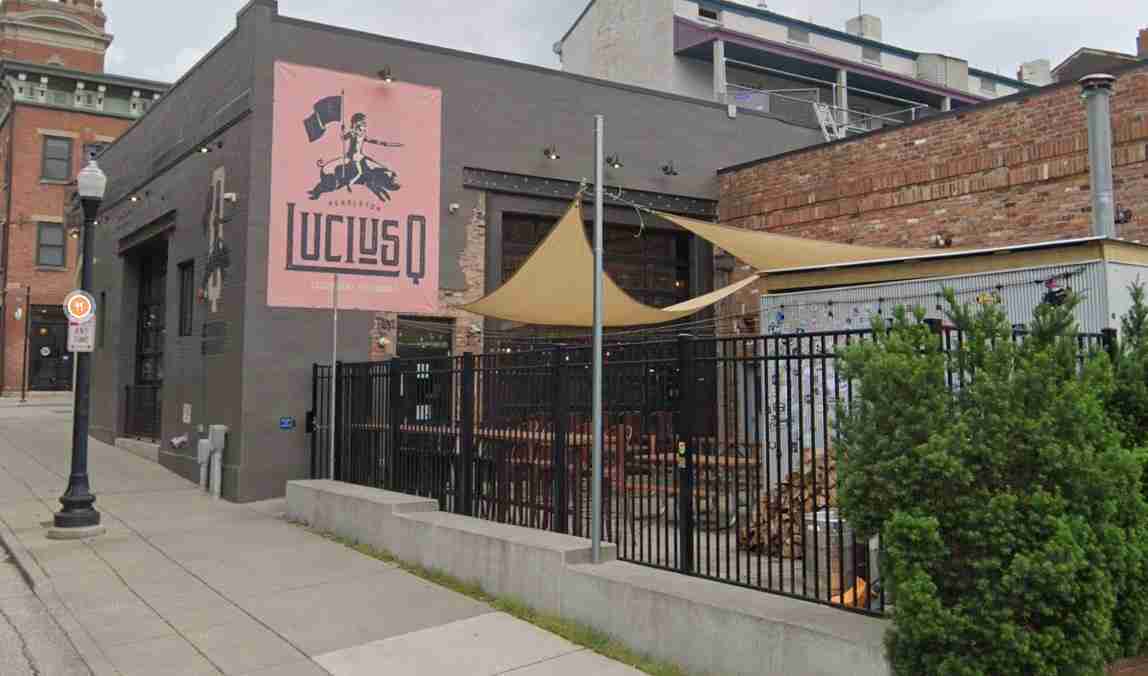
A prominent Cincinnati barbecue establishment, Lucius Q, recently faced widespread controversy after co-owner Aaron Sharpe posted an offensive comment about the assassination of conservative activist Charlie Kirk, prompting public backlash and swift business consequences for the restaurant.
- Rapid partner exits: FC Cincinnati and TQL Stadium terminated agreements with Lucius Q following the social media comment.
- Owner removed: Lucius Q said it cut ties with co-owner Aaron Sharpe and issued a formal apology.
- Reputational harm, not criminal charges: The matter centers on PR, contracts and community reaction; no criminal charges have been reported related to the comment.
- Broader lesson: The episode highlights how owner social media conduct can quickly threaten revenue and partnerships for restaurants and venues.
What happened: timeline and public response
The post that triggered the Lucius Q controversy appeared on Facebook after the shooting death of conservative activist Charlie Kirk at a speaking event in Utah. Screenshots of Aaron Sharpe’s reply — “Good riddance. What a piece of (expletive)” — circulated across social platforms, sparking immediate online criticism and calls for accountability (Local12).
Online critics amplified the screenshots, with many users calling for boycotts and public statements demanding action. Sharpe responded in another Facebook message saying he would not be silenced by “hypocrisy” or “threats of social media attacks,” and later deactivated his Facebook account (Fox News).
Lucius Q response and corporate partner actions
Rapid distancing: Lucius Q issued a statement saying Sharpe was no longer affiliated with the business, apologizing to the Cincinnati community and Charlie Kirk’s family, and stressing that his views did not represent the restaurant, its staff or its investors (Local12).
Contracts terminated: Major partners, including TQL Stadium and FC Cincinnati, ended sponsorship and food service agreements with Lucius Q, removing a high-profile sales channel and marketing tie for the restaurant (Local12).
Business and legal context
The fallout in Cincinnati has been driven by public relations and contract enforcement rather than criminal allegations tied to the comment. There has been no reporting that Sharpe’s social-media remark led to criminal charges; law enforcement handled arrests related to the Charlie Kirk shooting as a separate matter (Fox News).
Companies often include morality or conduct clauses in sponsorship and vendor contracts. When an owner’s public posts appear to celebrate violence or contravene partner values, sponsors may quickly sever ties to protect reputation and mitigate perceived liability (Local12).
Reaction from community and patrons
Social media users across the political spectrum denounced the comment. Many conservative voices framed the post as dangerous rhetoric deserving consequences, while others raised free-speech concerns and emphasized that private speech can still carry real-world business effects.
“Private statements by owners can rapidly become business problems when they threaten partnerships and public trust.”
Lucius Q’s owners say they will focus on repairing community trust and reaffirming a commitment to inclusive service; whether that effort will restore corporate partnerships and customer confidence remains uncertain (Local12).
Why this matters beyond Cincinnati
The episode is a cautionary example for small businesses and brands: a single social media comment by an owner can produce rapid, tangible consequences — loss of sponsorships, reduced sales channels and reputational damage that undercut revenue.
Implications for Redding, California
Economic impact
- Contract vulnerability: Local restaurants partnering with venues or festivals should recognize termination clauses can eliminate revenue streams quickly.
- Exposure to event sales: Losing stadium or festival ties removes access to thousands of potential customers and corporate accounts.
Political consequences
- Redding leaders and voters may see similar disputes as tests of free speech versus community standards.
- Conservative audiences may be especially attentive to perceived double standards when businesses face consequences for political speech.
Social effects
- Social media can mobilize boycotts or counter-support rapidly, affecting foot traffic and staff morale.
- Community groups can organize quickly around local disputes with measurable impact on small-business revenues.
Cultural relevance
Redding’s community values — including attitudes toward civility, law and public discourse — will shape local responses. Restaurants that rely on family-friendly reputations should weigh how public statements by owners align with that image.
Practical applications for local businesses
- Policy and training: Adopt clear social media and conduct policies for owners and staff, and provide crisis-response training.
- Contract review: Vet partners for conduct clauses and plan for sudden termination scenarios.
- Rapid response plan: Prepare concise public statements, distancing steps and outreach strategies for partners and community leaders.
- Monitoring: Track online conversation and engage early with key stakeholders to limit reputational damage.