Judge Cannon Dismisses Biased Jurors as Ryan Routh Trump Trial Moves Forward
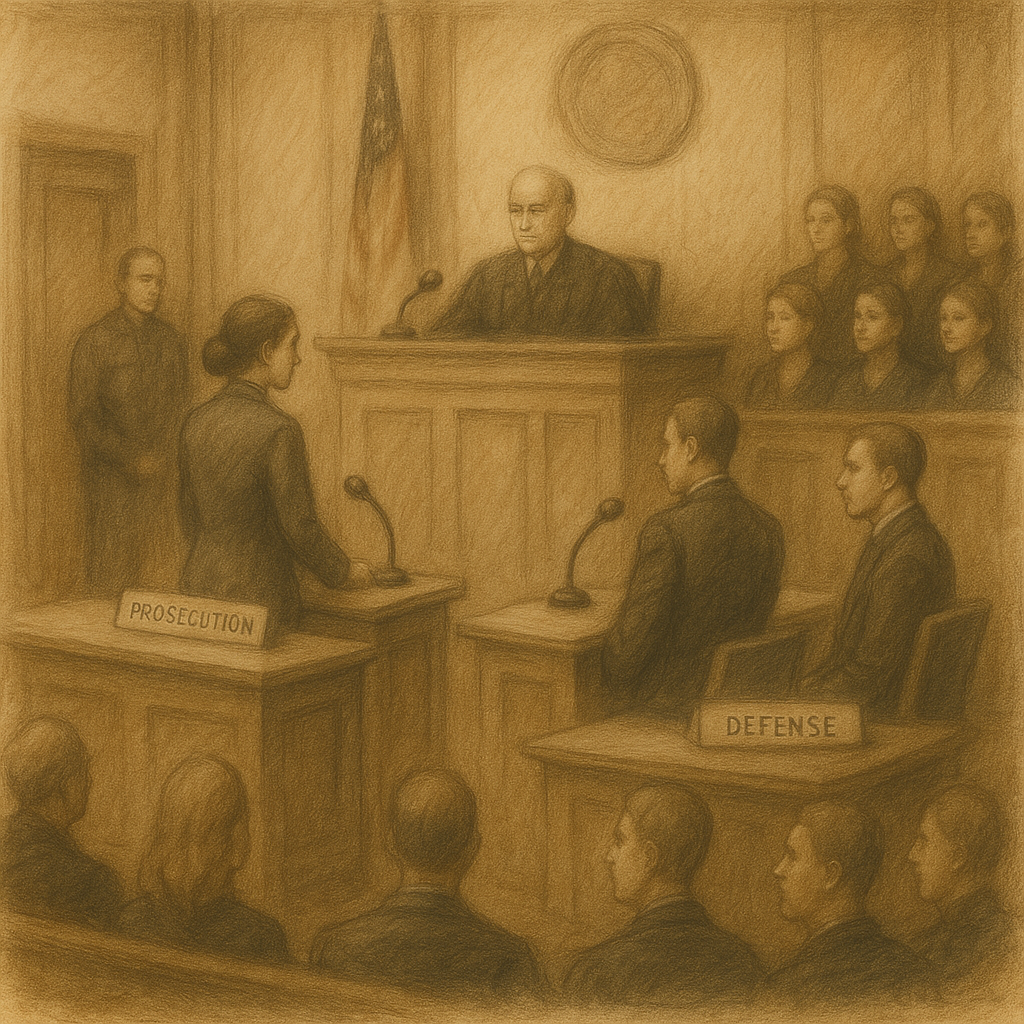
In Fort Pierce, Judge Aileen Cannon dismissed multiple potential jurors for overt bias or hardship during voir dire in the Ryan Routh trial, taking steps to seat an impartial jury in the nationally watched case tied to an alleged assassination attempt on a presidential candidate.
- Strict voir dire: Judge Cannon excused jurors who demonstrated clear political bias or inability to follow legal instructions (ABC News, Star Tribune).
- High hardship rate: Twenty potential jurors were excused in one morning largely for hardship or inability to serve, reflecting challenges in assembling a federal jury for a long, high-profile trial (WCHS, WLRN).
- Limits on self-representation: The judge curtailed questions by the self-represented defendant that were unrelated or overly political, keeping voir dire focused on juror fitness (ABC News, Star Tribune).
What happened in voir dire
Judge Cannon ran a tight voir dire. Court staff assembled panels and asked potential jurors about prior knowledge of the facts, political views, and whether they could apply the presumption of innocence. Prosecutors were largely allowed to use their approved questions (ABC News).
“I am MAGA and I love my president,”
— a potential juror excused for clear bias (reported by Star Tribune).
Outcome: Those who stated they could not be fair were excused to protect the trial’s integrity, while other candidates remained under close questioning about their neutrality and willingness to follow judicial instructions.
Hardship dismissals and volume
The court also confronted a surge of hardship claims. Court records and reporting show 27 jurors reported hardship, and roughly 20 were excused in one morning because long days away from work, family responsibilities and the trial’s intensity made service untenable (WCHS, WLRN).
Assembling a federal jury for a high-profile case proved practically challenging, and the excusals underscore how civic commitments and personal obligations shape jury pools.
Limits on the defendant’s questioning
Because Ryan Routh is representing himself, he attempted broad and political lines of questioning. Judge Cannon barred questions she found unrelated to juror fitness — including queries about Gaza, speculative “Greenland plans,” and odd hypotheticals involving animals — emphasizing that voir dire must focus on impartiality and legal matters (ABC News, Star Tribune, WCHS).
Judicial rationale: The rulings reflect a balance between a defendant’s right to question jurors and the court’s duty to prevent voir dire from becoming a forum for unrelated political statements or irrelevant probing.
Charges and courtroom posture
Allegations: Routh faces federal charges including attempting to assassinate a major presidential candidate, assaulting a federal officer, and multiple firearm offenses; he has pleaded not guilty (ABC News, ABC7NY).
Reporting indicates the alleged incident involved Routh hiding with a rifle near a golf course where the candidate was playing and being stopped after a Secret Service agent intervened (ABC News, ABC7NY).
Jury selection bias concerns in Florida
This proceeding highlights how politics and publicity can complicate jury selection. Courts must weigh a defendant’s right to probe juror views against the need to keep voir dire relevant and focused on impartiality. Judges often remove jurors who state unambiguous bias or whose presence would prejudice the process (ABC News, Star Tribune, WCHS).
Implications for Redding, California
- Local trust: The court’s efforts to remove overtly partisan jurors may reassure residents who value impartiality and due process (Star Tribune, ABC News).
- Jury vetting: Local courts may tighten voir dire to probe political biases and hardship more explicitly, learning from high-profile federal practice (WCHS).
- Security planning: The alleged golf-course incident could prompt venue operators and local officials to reassess security measures for public events (ABC7NY).
The judge and courtroom management
Judge Aileen Cannon — a federal judge appointed by former President Trump — has overseen the process closely, imposing strict limits while allowing Routh to represent himself with standby counsel available. Her rulings on relevance and political questioning have drawn heightened attention given her prior visibility in Trump-related matters (Star Tribune, WLRN).
Next steps
Jury selection is expected to take several days as the court seeks to seat 12 jurors and four alternates for the trial. Both sides and the public will watch closely for developments that bear on fairness and legitimacy (WLRN).