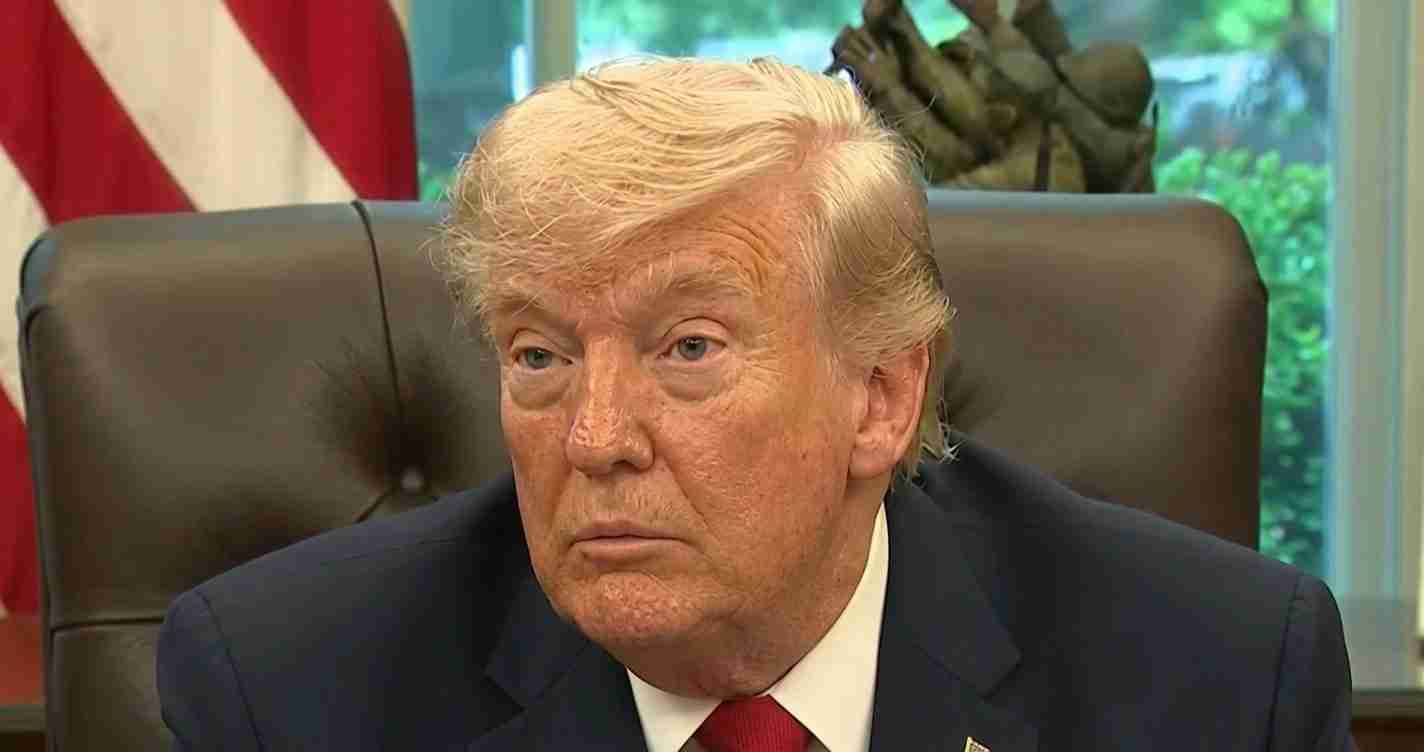
Democrats slam Trump for ‘war’ threats targeting U.S. cities, local leaders warn against federal overreach
Former President Donald Trump’s threats of military-style deployments and mass immigration raids against major U.S. cities, notably Chicago, prompted fierce Democratic backlash, with governors and mayors warning against federal overreach and authoritarian tactics that threaten local control.
- Key takeaways:
- Trump used an AI-generated image and the phrase “Department of WAR”, signaling possible large-scale immigration raids and Guard deployments — sources include Democracy Docket and Milwaukee Independent.
- State and city Democrats, led by Gov. JB Pritzker and Chicago Mayor Brandon Johnson, denounced the rhetoric as dangerous and authoritarian — see reporting by Democracy Docket and Fox News.
- Analysts warn the move resembles a global “strongman” playbook and raises constitutional and civil‑rights concerns — see Center for American Progress.
Trump’s posts, the Department of War line, and planned operations
Last week, Trump shared an AI-generated image evoking the film Apocalypse Now and styled as Lieutenant Colonel Kilgore, writing, “I love the smell of deportations in the morning,” and warning Chicago it was “about to find out why it’s called the Department of WAR.” Reporting ties that post and related directives to broader administration planning; see Democracy Docket and Milwaukee Independent.
Media reports indicate the administration has discussed large-scale ICE immigration raids in Chicago and has explored deploying the Texas National Guard to the city — moves that Illinois officials say would conflict with state leadership and normal federal‑state cooperation (Democracy Docket).
Democratic leaders’ responses: Pritzker, Johnson, Newsom and Bowser
Illinois Governor JB Pritzker called the threats “not a joke” and accused Trump of seeking to intimidate local leaders and centralize power. Pritzker warned that using Guard deployments as a political lever would be unprecedented and dangerous (Democracy Docket).
“The President’s threats are beneath the honor of our nation,”
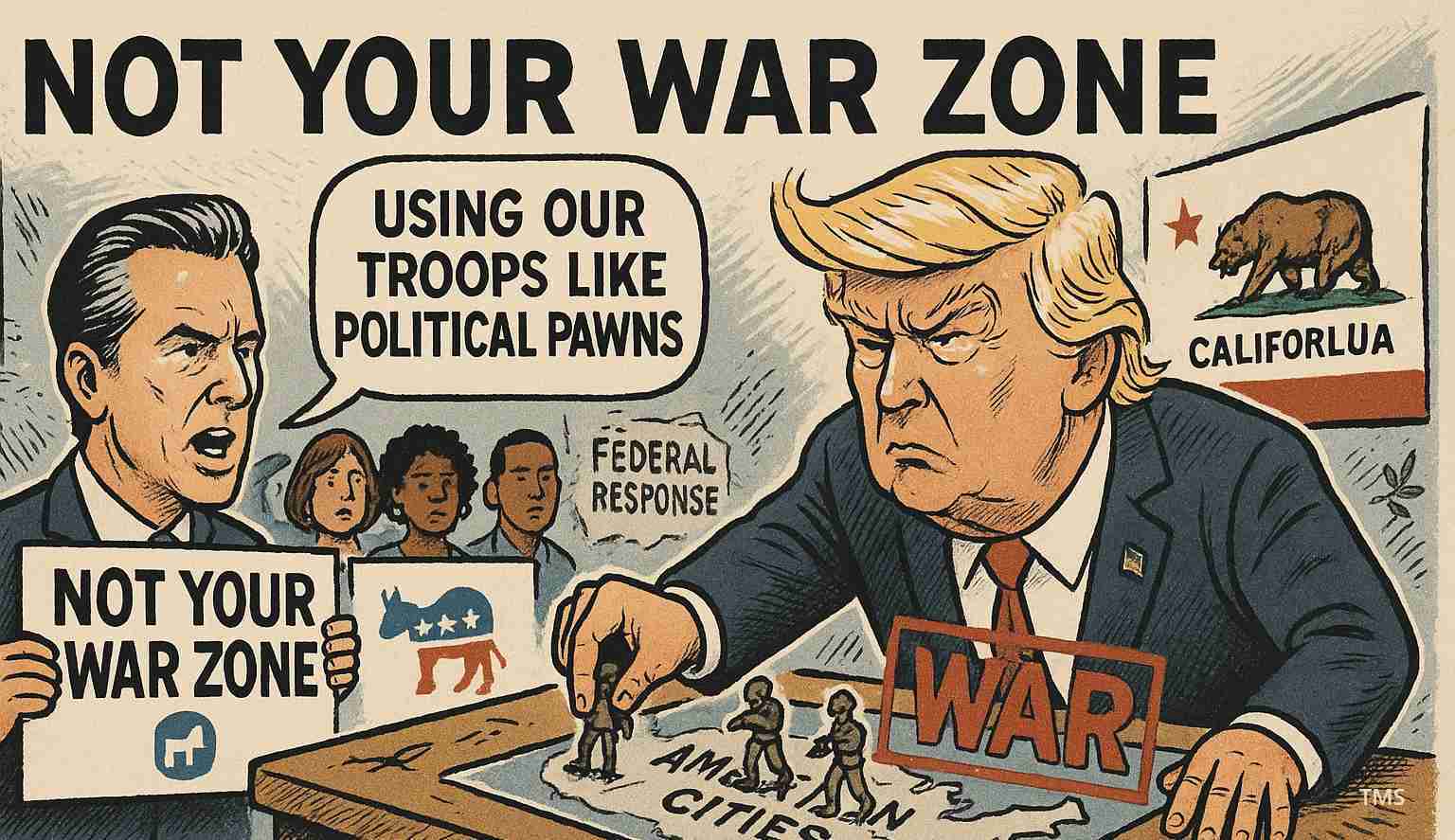
California Governor Gavin Newsom accused Trump of “using our troops like political pawns,” urging residents not to normalize such tactics and warning the practice could spread to other cities and states (Time).
National Democratic groups, including the Democratic Mayors Association, called proposed federal deployments a “political charade,” while D.C. Mayor Muriel Bowser described federalizing local security as “unsettling and unprecedented” (Time).
Crime trends and the rationale for intervention
Many Democrats and policy analysts point to research and local crime data showing violent crime and shootings have declined or stabilized in several major cities, arguing that the proposed federal occupation-style response is disproportionate and politically motivated (Time, Democracy Docket).
Critics say the rhetoric functions as performance politics — projecting force to a base rather than presenting clear, evidence‑based crime-reduction plans — and that it risks eroding civil liberties and community trust.
Legal, constitutional and practical questions
Legal experts note limits such as the Posse Comitatus Act and other frameworks that restrict domestic military operations; forced deployments against local wishes could prompt lengthy court battles and political fallout (Fox News).
Practically, outside forces performing law-enforcement tasks can damage cooperation between residents and local agencies, undermining long-term crime reduction strategies and emergency-response capacity (Time).
Political context and the “strongman” critique
Analysts and advocacy groups link the mix of militarized rhetoric, renaming defense institutions, and public threats to a broader authoritarian playbook seen internationally, cautioning that such moves aim to sideline local power and weaken checks and balances (Center for American Progress).
Partisan divide: Supporters argue forceful federal action addresses crime and illegal immigration; opponents emphasize civil‑liberties risks, local control, and long‑term stability.
Implications for Redding, California
Although Redding is not a likely target, the national fight over Guard deployments and federal immigration actions could affect local resources and community trust.
- Economic impact: Diverting National Guard or federal resources to large-city operations could slow disaster response and logistics that local businesses depend on, potentially causing short-term disruption (Time).
- Political consequences: Conservatives in Shasta County may be torn between support for tough border and crime measures and concerns about unchecked executive use of troops; local officials may face pressure to clarify stances (Center for American Progress).
- Social effects: National talk of mass deportations can alarm immigrant families in Redding, reducing school participation and trust in public services; community groups and faith leaders may need to step up outreach (Democracy Docket).
- Cultural relevance: The debate highlights a local divide between law-and-order priorities and civil‑liberty concerns that could shape campaigns and civic discussion.
Practical recommendations for local leaders
Local officials in Redding should:
- Monitor state decisions on Guard deployments and federal immigration actions.
- Ensure contingency plans protect emergency-response capacity if Guard units are reassigned.
- Coordinate law enforcement and social-service communications so residents understand their rights and where to seek help.
Sources and further reading
- Democracy Docket: Trump threatens Chicago with war, immigration raids
- Milwaukee Independent: Trump condemned as wannabe dictator in war-style threats
- Fox News: Democrats slam Trump war threats targeting US cities
- Time: Democrats respond to federal moves in Washington, D.C., and other cities
- Center for American Progress: The authoritarian playbook