Subway in Eagle Rock Shut Down After Workers Protest Over Rat Infestation
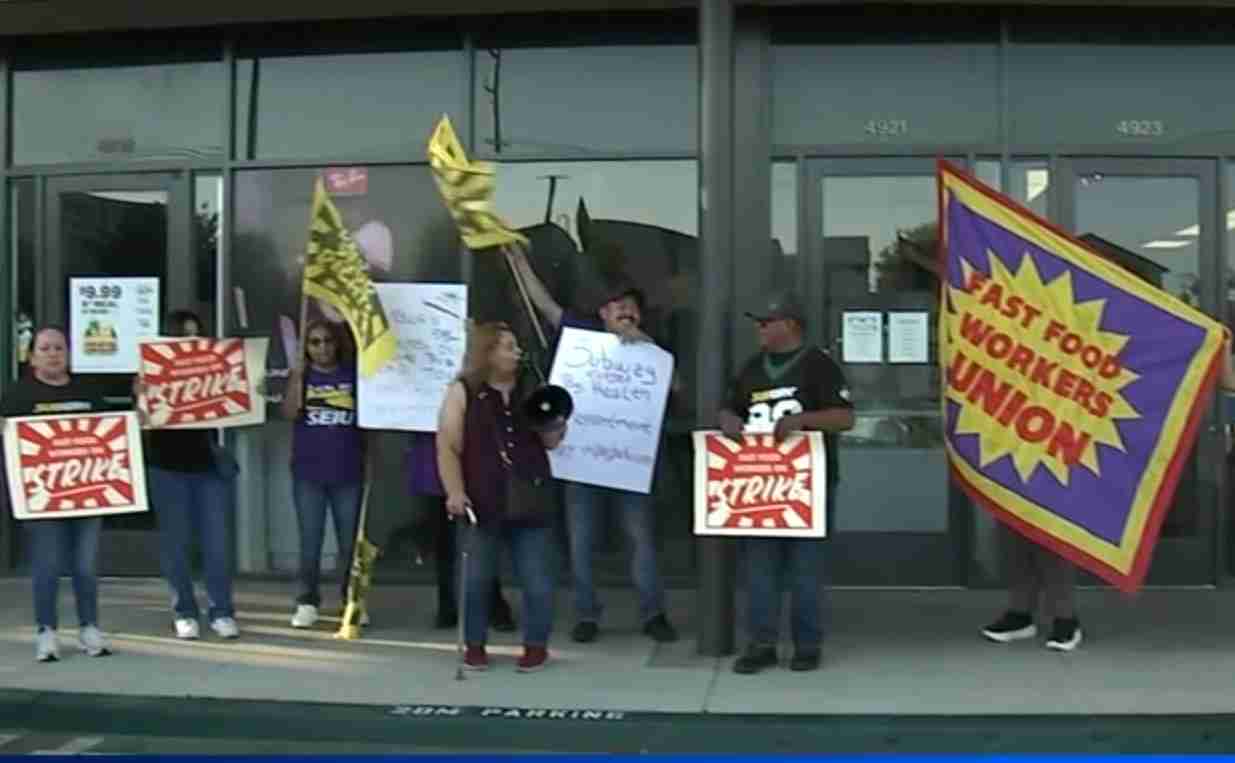
On Sept. 3, 2025, Los Angeles County health inspectors shut an Eagle Rock Subway after workers protested a year-long rat infestation, reporting live and dead rodents; employees and the California Fast Food Workers Union demand professional cleaning and pay.
- Closure ordered: The Los Angeles County Department of Public Health closed the Eagle Rock Subway on Sept. 3, 2025, citing a rodent infestation and public health risk. Source: ABC7
- Employee reports: Workers described live and dead rats, droppings and rats chewing food over roughly a year — documented in media and video reports.
- Union action: The California Fast Food Workers Union backed a public protest and demanded professional cleaning and paid time for staff during remediation.
Details of the closure and protest
Immediate action: On Sept. 3, inspectors from the Los Angeles County Department of Public Health issued an immediate closure order for the Eagle Rock Subway, citing conditions consistent with a rodent infestation and contamination risk in a food service setting. The closure followed days of media attention and a public demonstration at the store entrance. Reported coverage: ABC7 and on-site video.
Workers’ accounts and history of complaints
Employees told reporters they have dealt with rodents in the store since early 2024. They described discovering live and dead rats, droppings and evidence that rats had chewed into packaged and prepared food. Several staff members said they repeatedly reported the issues to the owner with little or no corrective action.
“We were finding droppings and sometimes the rodents themselves — and staff were asked to clean it up instead of management fixing the source,” said an employee in video coverage. (See related video.)
Union involvement and workers’ demands
The California Fast Food Workers Union joined employees at the protest. Union representatives criticized some franchise practices that prioritize cost-cutting over sanitation and demanded:
- Professional cleaning and disinfection of the affected store
- Paid time for workers while the location remains closed for remediation
- Stronger enforcement of health and labor protections to prevent similar situations
Union organizers framed the action as both a labor and public-safety issue, urging officials and management to act promptly to protect customers and staff. (Coverage and statements captured in video reports and ABC7.)
Health department action and owner response
Health officials said the store will remain closed until professional remediation is completed and a satisfactory follow-up inspection is returned. Inspectors cited visible evidence of rodents and contamination risk; there were no reported customer illnesses linked to the location as of the latest reports.
Owner and corporate comments: As of the most recent reporting, neither the store owner nor Subway corporate had issued a public comment. Workers and union representatives say they informed the owner for months with limited response, prompting escalation to health authorities and the press. Sources: ABC7 and local video coverage.
Broader context: similar incidents and what they mean
This is not an isolated incident — other fast-food outlets in California have been closed by health departments for rodent problems. In several cases, worker action and media attention helped prompt inspections and enforcement. A recent example involving McDonald’s locations was documented in a related video.
The case raises questions about franchisee responsibility, worker safety and corporate oversight. Franchise models place day-to-day sanitation on local owners; when problems persist, employees often face the difficult choice of continuing in unsafe conditions or going public to force remediation and regulatory response.
Legal and business implications
Consequences: Health department closures can lead to fines, mandated remediation, reputational damage and lost revenue. For franchises, both local owners and the brand may be affected. Employees who lose shifts may pursue compensation or unemployment assistance; enforcement records can influence future inspections and licensing.
Implications for Redding, California
Economic impact
- Local restaurants may see changes in customer behavior and potentially higher operating costs if owners invest in more frequent pest control or upgrades.
Political consequences
- Voters and officials who prioritize public safety may back stricter inspections; small-business advocates may press for fair enforcement that targets negligent operators without overburdening compliant ones.
Social and cultural effects
- Calls for workplace protections (including pay during health-related closures) may grow, and residents may place greater emphasis on inspection records when choosing where to dine.
Practical applications for residents
- Check inspection records: Use local health department websites and posted inspection scores before dining.
- Document and escalate: Employees should document safety concerns and escalate internally, and if needed, to local health authorities.
- Business preparedness: Owners should review pest-control contracts, sanitation training and maintenance to reduce risk of infestation and closure.
Sources and further reading
- ABC7 — Eagle Rock Subway closed after workers say restaurant has rat infestation
- On-the-ground video coverage of the protest and worker statements
- Additional video reporting with worker interviews and health information
- Example of a similar fast-food health enforcement case
Reporting by Times Media Service.