Rattlesnake Risk Rises with Heat: What Redding Residents Need to Know About California’s Summer Wildlife Threats
As California temperatures climb, rattlesnake activity increases, raising summer bite risks for hikers, homeowners and pets in Redding and the foothills. Understanding when snakes are active and how to prevent encounters saves lives and reduces injuries.
- Rattlesnakes are a top direct danger in California summers: about 800 bites annually statewide, with 2–6 deaths per year when untreated.
- Peak season: most snake activity and human encounters occur from April through October.
- Simple prevention works: proper footwear, staying on trails, yard maintenance and quick medical response reduce injuries dramatically.
- Community action: local reporting, volunteer training and neighborhood maintenance protect residents and tourism.
Why rattlesnakes become more dangerous in summer
Rattlesnakes are cold-blooded and use the sun to warm their bodies. As temperatures rise they are active earlier and later in the day, which overlaps with peak human outdoor use of trails, campgrounds and backyards.
Habitat and hiding places: rattlesnakes favor grasslands, desert edges, rocky outcrops and trail edges, where they bask on open paths, hide under rocks and seek shade under brush and ledges. (See Explore — Top Dangerous Animals to Avoid in California’s Wilderness.)
Species in California: the state hosts several rattlesnake species, including the Western Diamondback and Southern Pacific rattlesnakes among multiple native varieties; all can be dangerous if stepped on or provoked. (See WorldAtlas — The 13 Deadliest Animals in California.)
Heat waves: extreme heat can push wildlife closer to homes seeking water and shade, increasing encounters with rattlesnakes, coyotes and other animals near neighborhoods and campsites. (See SF Chronicle — California animals, extreme heat.)
Rattlesnake injuries: what the numbers say
Rattlesnake bites in California result in hundreds of injuries each year. Approximately 800 reported bites occur annually statewide. Most victims survive with prompt medical care, but bites can cause tissue necrosis, nerve damage, clotting problems and, if untreated, death.
Documented fatalities are low—usually between two and six per year—but quick access to antivenom and emergency care is essential, especially for children and the elderly. (See YouTube — rattlesnake bite report and Explore — Top Dangerous Animals to Avoid in California’s Wilderness.)
Rattlesnake awareness and prevention: practical steps
For readers who value self-reliance and preparedness, common-sense measures dramatically lower risk. Incorporate rattlesnake awareness into summer planning for Redding and surrounding foothills.
Before you go outdoors
- Know the terrain: check trail maps and local reports for recent snake sightings and familiarize yourself with likely habitats such as rocks, brush and water sources. (See Explore — Top Dangerous Animals to Avoid in California’s Wilderness.)
- Dress right: wear long pants, thick socks and boots when hiking or working in brushy or rocky areas; gloves are recommended when moving logs or rocks.
- Keep pets leashed: dogs are curious and often get bitten while investigating holes or undergrowth.
On the trail or in the yard
- Stay on cleared paths: rattlesnakes often bask on sunny trail sections—keep to the center of the trail to see your footing. (See Explore — Top Dangerous Animals to Avoid in California’s Wilderness.)
- Be deliberate around rocks and ledges: these are classic hiding spots—use a walking stick to probe ahead and step on logs/rocks only when necessary.
- Heed the rattle: if you hear rattling, stop, locate the source and back away slowly—do not attempt to handle or provoke the snake. (See Explore — Top Dangerous Animals to Avoid in California’s Wilderness.)
- Beach safety: shuffle your feet in shallow water to warn stingrays and avoid stepping on them. (See California Travel Life — Dangerous Animals in California.)
If someone is bitten
- Stay calm: keep the victim still and the bitten limb lower than the heart—movement increases venom spread.
- Clean gently: wash with soap and water; do not cut or suck the wound.
- Immobilize: use a splint and minimize movement.
- Seek medical help immediately: call emergency services—antivenom is the proven treatment. If help is not reachable within 30 minutes, a 2–4 inch bandage above the bite can be a temporary measure, but get to emergency care as fast as possible. (See Explore — Top Dangerous Animals to Avoid in California’s Wilderness.)
Other summer threats in California
Beyond rattlesnakes, other seasonal hazards matter for public safety:
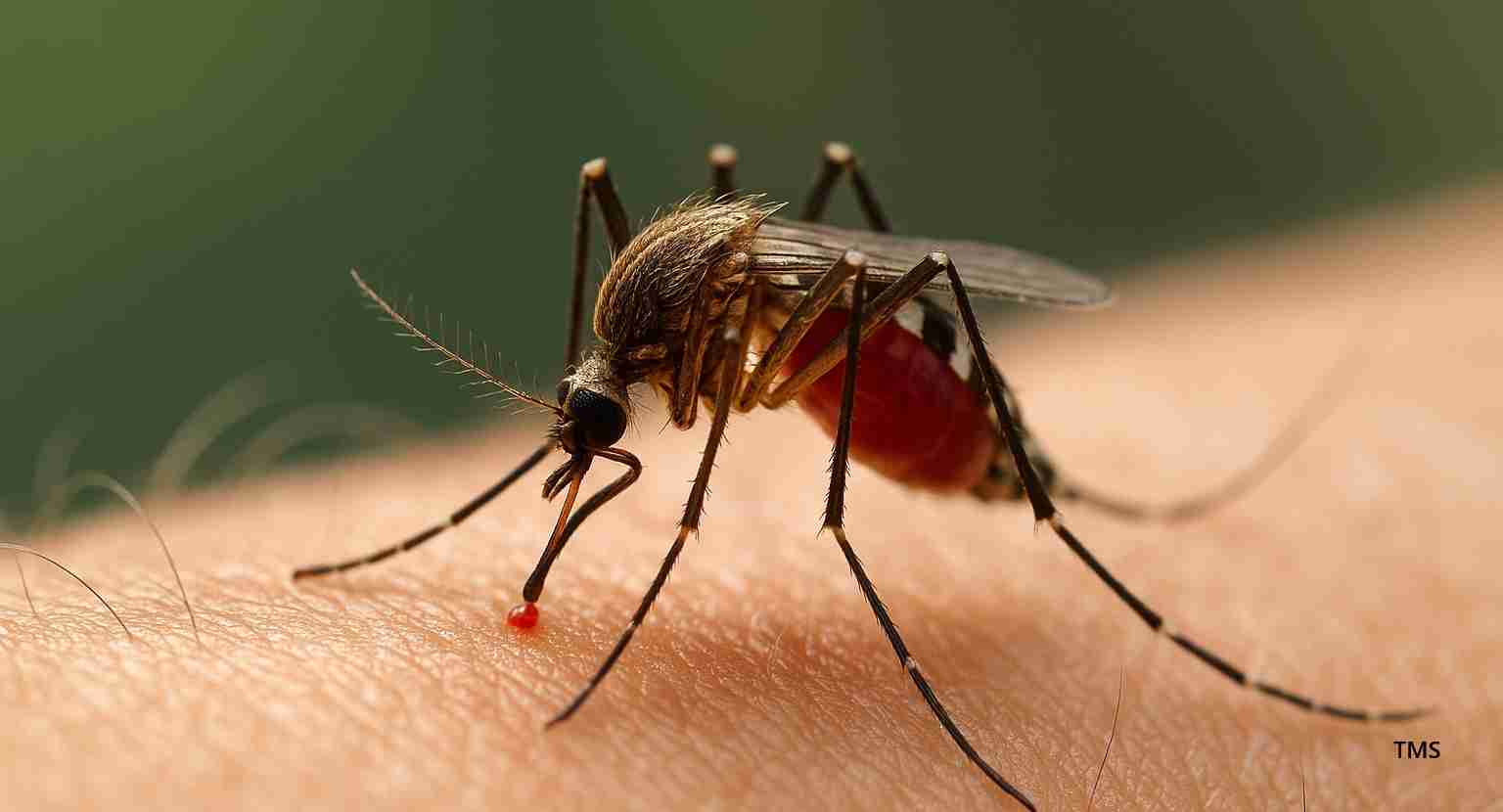
- Mosquitoes: globally the deadliest animals due to disease transmission; in California they can transmit West Nile Virus—use repellents and remove standing water. (See WorldAtlas — The 13 Deadliest Animals in California.)
- Stingrays: thousands of injuries occur in Southern California annually; the “stingray shuffle” cuts risk significantly. (See California Travel Life — Dangerous Animals in California.)
- Sharks: attacks are rare; avoid fishing activity and seal colonies when swimming. (See California Travel Life — Dangerous Animals in California.)
Reporting, resources and local preparedness
Redding residents can take community-focused, practical steps without waiting for heavy-handed regulation. Volunteer groups, neighborhood associations and outdoor clubs can organize awareness drives and basic training.
- Report sightings: notify local park authorities or county animal control when you see rattlesnakes near trails or neighborhoods to help track problem areas.
- Training and first aid: encourage hiking clubs, schools and community centers to host wilderness first aid sessions that include snakebite response.
- Home and yard maintenance: keep grass mowed, clear brush, seal gaps under sheds and store firewood off the ground to reduce shelter for snakes and rodents.
Implications for Redding, California
Economic impact
Tourism and outdoor recreation are important to Shasta County. Rattlesnake incidents can deter visitors; simple measures—cleared trails, signage, public education—help protect businesses relying on hikers, anglers and campers.
Public safety and health
Hospitals and emergency responders should maintain readiness during peak months. While statewide fatalities are low (about 2–6 per year), rapid access to antivenom and trained medical care is critical. Residents should know the fastest routes to emergency care and keep cell phones charged when in remote areas. (See WorldAtlas — The 13 Deadliest Animals in California and Explore — Top Dangerous Animals to Avoid in California’s Wilderness.)
Community responsibility and conservative values
Rattlesnake awareness aligns with values of personal responsibility and preparedness. Neighborhood watch groups, volunteer trail patrols and civic or faith organizations can lead outreach, yard-clearing projects and first-aid training without waiting for heavy regulation. Property owners reduce risk through regular maintenance and by educating family members—especially children—about snake safety.
Practical steps for homeowners
- Maintain defensible space: trim brush and move rock piles away from foundations.
- Secure structures: seal gaps under porches, sheds and outbuildings to keep snakes and rodents out.
- Pet protection: supervise and leash dogs, especially in tall grass or at dusk when snakes are most active.
Where to get more information
Reliable guides and reporting sources include state parks, public-health resources on mosquito-borne disease prevention, and local coverage of wildlife behavior during heat waves. Helpful online resources cited in this report:
- Explore — Top Dangerous Animals to Avoid in California’s Wilderness
- WorldAtlas — The 13 Deadliest Animals in California
- California Travel Life — Dangerous Animals in California
- SF Chronicle — California animals, extreme heat
Stay informed, stay prepared: summer in Northern California brings great outdoors and great responsibilities—rattlesnake awareness and prevention should be part of every outdoor plan.