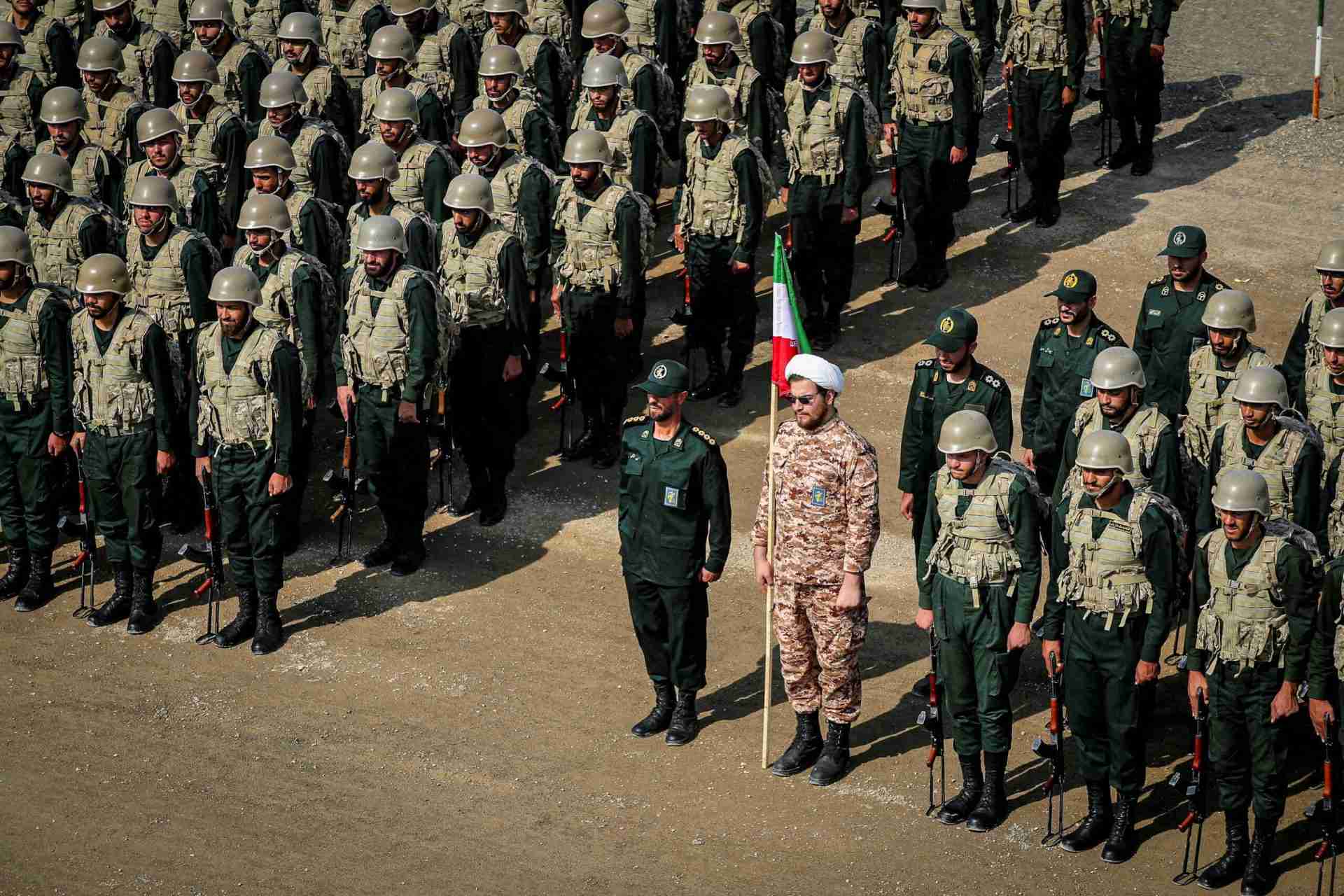
TEHRAN, Iran, June 19 (World Daily Times) — Reuters, citing eight Iraqi sources, reported that Iran’s Islamic Revolutionary Guard Corps set up new covert cells in Iraq to carry out drone attacks on Gulf countries that host American forces. If accurate, the allegation would point to a shift away from larger militia networks and toward smaller units that are harder to trace.
The Iraqi sources told Reuters the cells were created to bypass established militia chains and avoid detection. They described three or four cells, each with about 10 elite Iraqi Shi’ite fighters. Some members were said to have come from Islamic Resistance in Iraq, an umbrella group of hardline Shi’ite factions, but the new cells were described as operating outside that group’s command structure and reporting directly to the IRGC.
That detail matters because it suggests a search for plausible deniability. Iraqi officials cited by Reuters said the arrangement could help shift blame away from the best-known Iran-backed groups and reduce U.S. pressure on Baghdad to disarm them. In Iraq, where armed factions often overlap with state power, smaller covert units would also be harder for authorities to monitor or publicly tie to a single chain of command.
Three Iraqi security sources told Reuters that the cells launched at least seven drone attacks from desert locations near Basra and Samawa between April 20 and May 17. The sources said the targets were in Kuwait, Saudi Arabia and the United Arab Emirates, and that their assessment relied on human intelligence, intercepted communications and evidence gathered from launch sites. The report did not identify which attack was linked to which cell.
For the region, the allegations underline how southern Iraq can still be used as a launch point for attacks beyond its borders. For Iraq itself, the reported activity raises the risk that covert operations on its territory could deepen tension with Gulf neighbors and with Washington, even though the Reuters report did not name any arrests, charges or court cases tied to the claims. The allegations remain just that: allegations from Iraqi sources speaking to Reuters, not findings established in public legal records.