
DOJ, U.S. Attorney Move to Find Man Who Threatened ICE Officer Outside Delaney Hall as Governor Sherrill Orders Protected Protest Zone
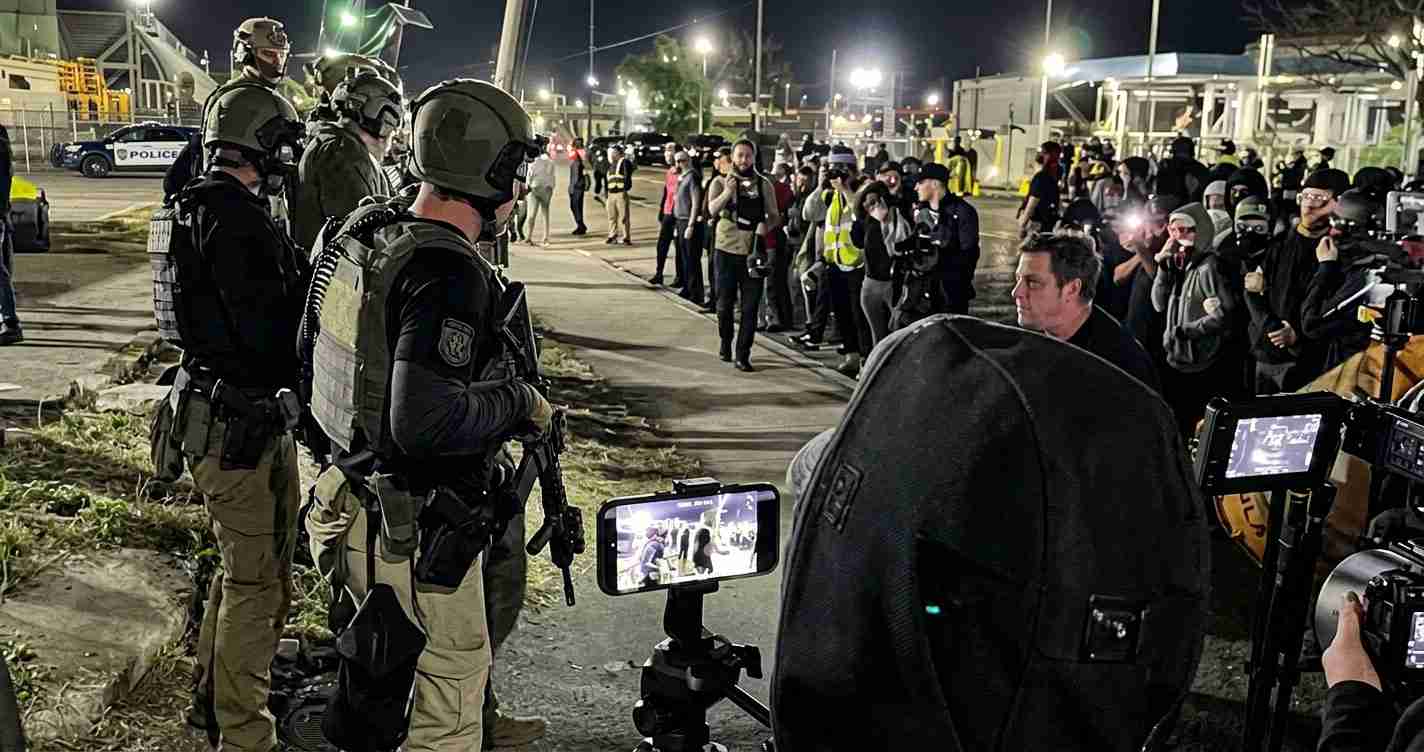
New Jersey Governor Mikie Sherrill set a designated “protected, peaceful protest zone” outside Delaney Hall in Newark amid clashes between protesters and ICE; federal prosecutors are pursuing a man on video making violent threats at an ICE officer and his family.
Key takeaways
- A suspect on video shouted death threats at a federal officer and family; the U.S. Attorney’s Office is working to identify and locate him.
- Gov. Sherrill ordered a designated protest zone to separate peaceful demonstrators from aggressive agitators and de-escalate tensions.
- DHS denies reports of a hunger strike and poor conditions at Delaney Hall, saying detainees have access to basic needs and counsel.
- Local officials responded on site after clashes; Sherrill visited the facility amid the standoff.
What happened at Delaney Hall
Video circulating from Wednesday night appears to show a man at the edge of the protest shouting violent threats at a federal officer and his family, saying, in part, “I’ll kill your whole f—— family… Your children, your wife, all dead.” The footage was shared widely on social platforms and prompted a federal response, according to media reports.
Federal prosecutors’ response
Federal prosecutors say the case involves criminal threats against law enforcement and family members. The U.S. Attorney for the District of New Jersey indicated authorities view such statements as a federal crime and that the Department of Justice is working to identify and arrest the suspect. The widely shared public video has been central to that identification effort.
Why federal officials took note
Criminal threats against federal officers and their families are prosecuted under federal statutes, and officials treat them seriously because they can pose immediate danger to officers, relatives and bystanders. The U.S. Attorney called the threats “disgusting” and said investigators will pursue the case.
How the state responded: Sherrill’s protected protest zone
Amid days of demonstrations and several confrontations between protesters and ICE agents outside Delaney Hall, Gov. Mikie Sherrill ordered the New Jersey State Police to create a designated “peaceful, protected protest zone” near the facility to enable demonstrations while separating peaceful protesters from those who become violent or threatening. For details see Governor Sherrill orders protected protest zone outside Delaney Hall.
Federal stance on Delaney Hall conditions
The Department of Homeland Security issued a statement denying reports of poor conditions and a hunger strike at Delaney Hall, saying detainees receive meals, clean water, clothing, bedding, showers, soap and access to family and legal counsel. View the statement: DHS statement denying hunger strike and poor conditions (video).
Reporting shows conflicting claims on the ground: protesters and advocates allege mistreatment, while DHS has publicly denied those allegations. That dispute has contributed to heightened emotions and a charged atmosphere outside the facility.
Investigative questions and verification
The video of the threats is being used by federal investigators to identify a suspect, but some elements of coverage — including a full DOJ press release tied to initial reporting cited by some outlets — were not located in public records reviewed for this article. Where reporting relies on media accounts of law enforcement comments, this article identifies the outlet cited.
Why this matters to law enforcement and communities
- Public safety: Threats against officers and their families can escalate situations and endanger bystanders.
- Balance of rights: A designated protest zone aims to protect peaceful assembly while allowing law enforcement to manage dangerous behavior.
- Tensions over immigration: The incident underscores friction around immigration enforcement and detainee treatment, raising broader community concerns.
Voices from the scene
Governor Sherrill expressed support for peaceful protest while denouncing threats, invoking her military background and oath to protect the Constitution. “Threats of violence are unacceptable,” she said, urging leaders to “lower the temperature.”
“Threats of violence are unacceptable,” Gov. Mikie Sherrill said, calling on officials to de-escalate the situation.
Federal officials reiterated they would pursue anyone who makes credible threats. Local reporting showed Sherrill visited Delaney Hall after clashes erupted, highlighting the state’s active role on site; see the local coverage at 6ABC local report: Protesters clash with ICE agents, Sherrill visits.
Implications for Redding, California
Although this incident occurred in Newark, similar dynamics could influence communities like Redding in several ways:
- Economic impact: Local law enforcement resources and business activity can be affected during high-profile confrontations.
- Political consequences: The federal pursuit of a suspect and focus on officer safety may resonate with conservative voters and local law-and-order debates.
- Social effects: Protests tied to immigration can divide communities and mobilize legal and volunteer support networks.
Practical applications for residents
- Expect increased police presence and possible road or access restrictions during large demonstrations.
- Avoid protest areas if tensions are rising and report threats or violent acts to authorities immediately.
- Community groups should clarify routes, establish communication channels and emphasize nonviolent conduct to reduce risk.
Sources and reporting notes
Key sources and reporting used for this article include: Governor Sherrill orders protected protest zone outside Delaney Hall (InsiderNJ); Local TV coverage of clashes and Sherrill’s visit (6ABC); and DHS statement denying hunger strike and poor conditions (video).
Note: Some media reports referenced comments to Fox News and a Department of Justice search tied to a widely circulated video. The specific DOJ press release connected to those Fox News comments was not located among public documents reviewed for this article; where reporting relies on media accounts of law enforcement comments, this article identifies the outlet cited.



