
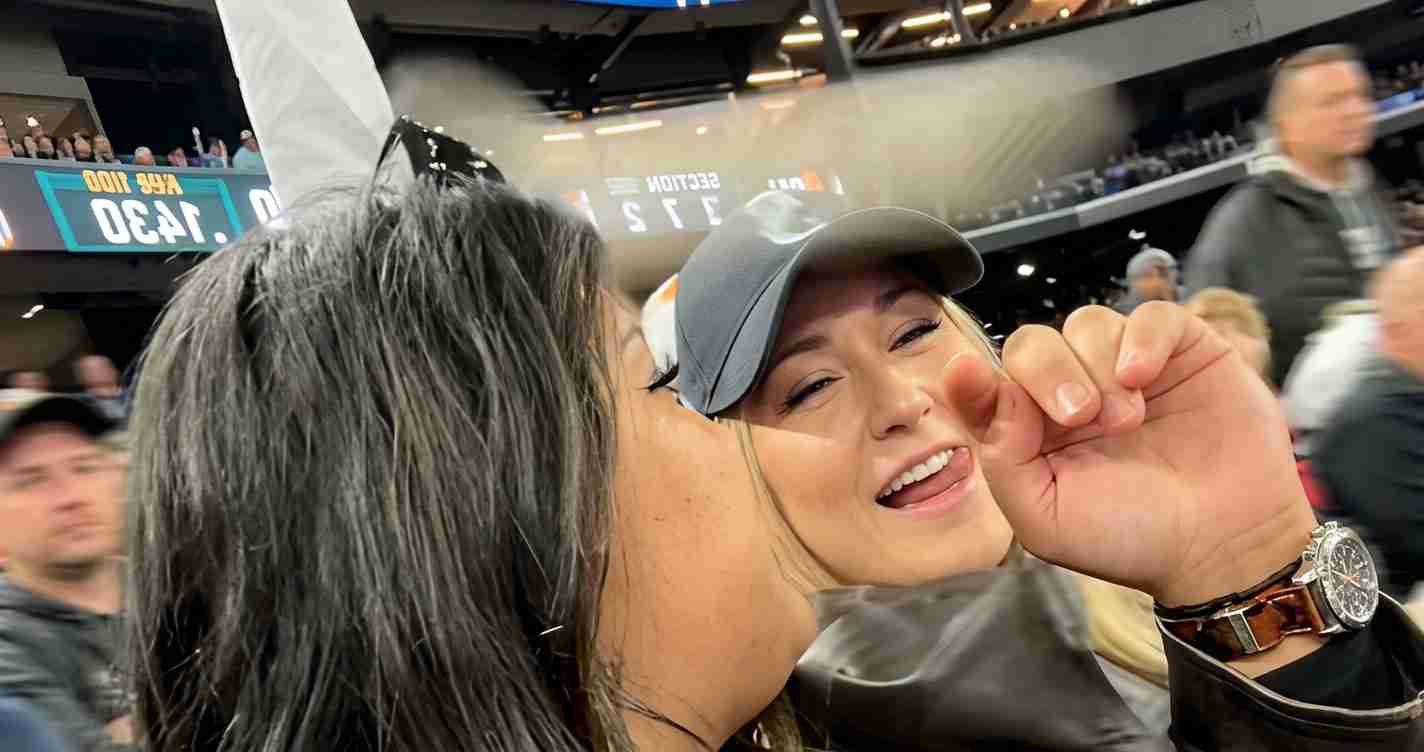
Fan hit by foul ball at T‑Mobile Park captured on viral selfie video, reigniting Baseball Rule fan safety debate
A fan at T‑Mobile Park, Jamie Golla, was struck on the head by a foul line‑drive while recording a selfie during the Mariners–Padres game; the viral video renewed debate over stadium netting, fan responsibility and the Baseball Rule.
- Incident: Jamie Golla was struck atop the head by a screaming foul ball while taking a selfie in the lower bowl beyond protective netting.
- Outcome: Stadium medics treated Golla; she was taken to Harborview Medical Center and later reported swelling and minor headaches but said she was “doing okay.”
- Debate renewed: The clip’s spread has reignited questions about extended netting, fan distraction from phones, and the century‑old Baseball Rule.
- Local relevance: The incident has implications for ticketing, stadium design and public-safety conversations in places such as Redding, California.
The viral moment
Video circulated widely showing Golla and a friend smiling into a phone as they recorded a selfie. With Padres hitter Sung‑mun Song at the plate, a foul ball screamed into the stands and struck Golla atop the head. The sound of the impact and her immediate recoil are audible on the clip.
Stadium medical staff responded quickly; Golla was taken to Harborview Medical Center for evaluation. She told reporters she was “feeling a little better than yesterday,” that her head remained swollen and she had minor headaches, and that she was overall okay. A Mariners staff member followed up and offered tickets for a future game.
Where this fits in the safety debate
Incidents like this are part of a larger pattern: analyses estimate thousands of fans nationwide are struck by foul balls annually. That data has led to renewed questions about how much protection clubs should provide versus how much responsibility rests with fans (Bloomberg).
The legal framework often cited is the Baseball Rule, which traces to Crane v. Kansas City Baseball & Exhibition Co. (1913). Courts generally hold teams meet their duty if they provide reasonable protected seating and warn spectators of obvious risks. For an overview of tort principles and the related doctrine of assumption of risk, see legal reference sources.
MLB policy and past changes
MLB urged clubs in 2018 to extend protective netting to the end of each dugout after a high‑profile injury to a young fan; some teams have gone farther voluntarily. Reporting and MLB guidance are available via MLB. Many lower‑bowl seats down the foul lines remain unprotected, where reaction time is minimal.
Experts and trends
Legal scholars and safety analysts note two major changes since the Baseball Rule’s origin: fans sit significantly closer to the field today, and balls and bats travel faster. Research cited in law and policy discussions finds fans are seated more than 20% closer to the field than in earlier eras, reducing reaction time (scholarly commentary compiled by outlets such as Cronkite News).
High‑profile injuries have driven incremental policy shifts, but the balance between fan experience — including “excite seats” marketed for their proximity — and safety remains contested.
What the law means for injured fans
Under the Baseball Rule and related case law, plaintiffs face a steep path when suing over foul‑ball injuries. Successful claims typically require showing a team failed to provide reasonable protection or that warnings were inadequate. Courts consider whether the risk was obvious and whether the fan voluntarily assumed it. For general legal background see Legal background.
Golla was seated in an unprotected area beyond standard netting. There is no public report of a lawsuit; the Mariners’ public response has been to check on her and offer future tickets.
Phones, selfies and reaction time
Commentary around the clip highlights a modern risk: fans’ attention is increasingly divided by phones. Selfie videos and social posts can leave even alert fans vulnerable. The Golla clip serves as a cautionary example that a momentary look away can have immediate physical consequences.
Public‑safety advocates recommend clearer signage and louder announcements; others argue for structural protections. Fans are reminded that choosing closer seats carries added risk.
Implications for Redding, California
Economic impact: Redding’s sports community and game‑day vendors should watch for policy trends that could change seating products, ticket pricing or netting at minor‑league and collegiate venues.
Political consequences: For a conservative audience in Redding, the episode underscores themes of personal responsibility and limited organizational overreach. The Baseball Rule prioritizes individual choice: fans may opt for unprotected seats knowing the risk.
Social and cultural effects: The selfie culture that contributed to this injury offers a teaching moment for parents, schools and youth leagues. Residents planning stadium visits should check netting maps and consider seated locations for young children.
Practical applications: Event organizers can review signage, PA announcements and emergency response protocols. Local media and civic groups could host advisories before high‑attendance events to raise awareness about the risk of line‑drive fouls.
Sources and additional reading
- New York Post (coverage of the viral video)
- MLB (netting guidance and policy)
- Bloomberg (analysis of foul‑ball injuries and trends)
- Cronkite News (legal overview and Baseball Rule discussion)
- Legal background on assumption of risk and related doctrines
- Harborview Medical Center
“I’m feeling a little better than yesterday,” Golla told reporters, noting swelling and minor headaches but saying she was overall okay.
Reporting note: This article preserves original facts and source references compiled from multiple outlets and public sources including New York Post, MLB, Bloomberg, Cronkite News and legal references at law.cornell.edu.



