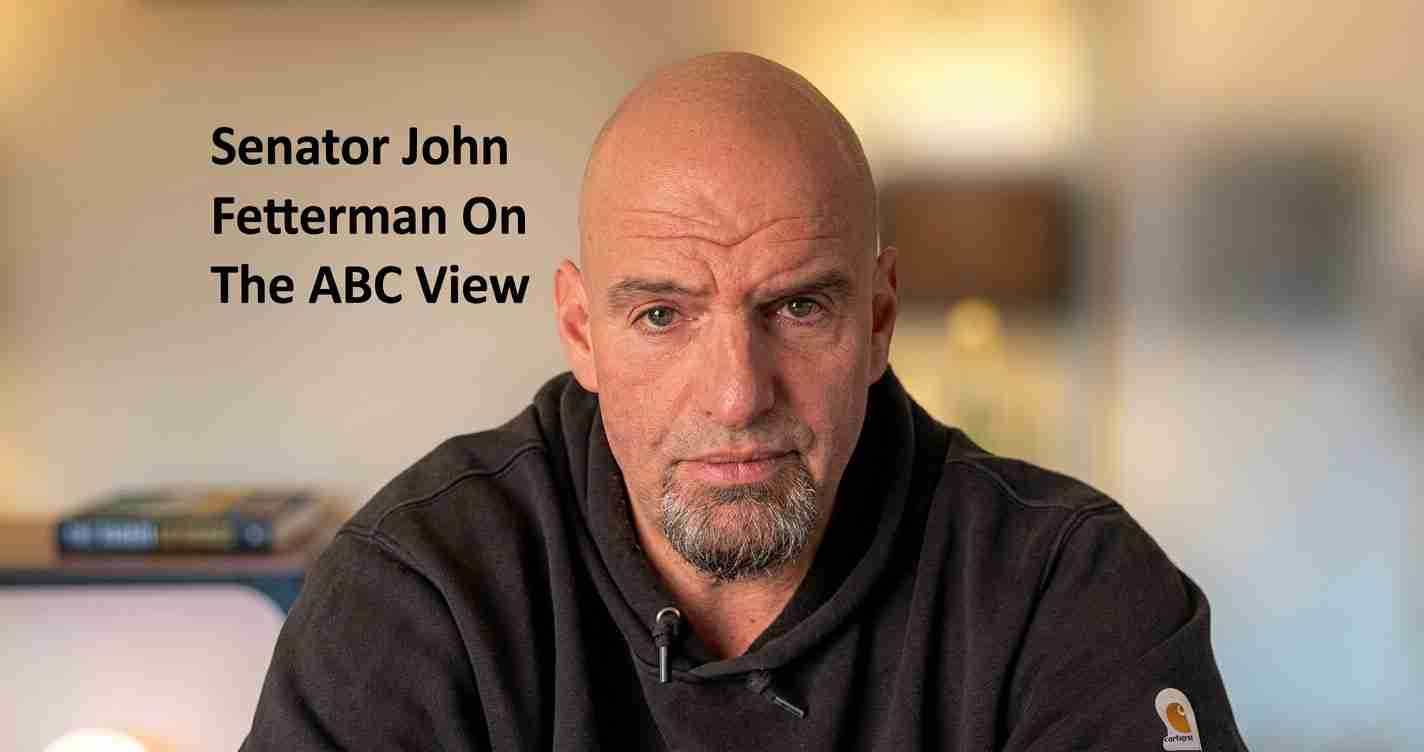
Shapiro Presses Fetterman to “Get Back to What He Was Elected to Do” as Pennsylvania Democrats Split
Pennsylvania Governor Josh Shapiro sharply criticized Senator John Fetterman’s voting record and alignment with Republicans, intensifying a feud that exposes deep divisions within state Democrats and raises questions about party unity and both men’s political futures.
- Shapiro publicly warned Fetterman to “reflect the will of the people” after voters elected a Democrat to the U.S. Senate.
- Reporters cite a ~26% rate of Fetterman voting with Republicans in 2025 and several high-profile cross-party votes.
- Their split dates to disputes on the Board of Pardons and is chronicled in Fetterman’s memoir Unfettered.
- National and state Democrats — from DNC Vice Chair Malcolm Kenyatta to Hakeem Jeffries — have publicly criticized Fetterman, raising 2028 implications.
Shapiro’s public push: “Reflect the will of the people”
Gov. Josh Shapiro has grown more pointed in recent interviews, urging Sen. John Fetterman to honor the choice Pennsylvanians made when they elected a Democrat to the U.S. Senate. On CNN interview coverage, Shapiro told Jake Tapper:
“I know that Pennsylvanians voted for a Democrat to represent them in the United States Senate. So, I think he needs to honor that and continue with his service to Pennsylvania, and, hopefully, get back to what he was elected to do and reflect the will of the people.”
Measured tone on podcast
On the Talk Easy podcast with Sam Fragoso (and on the program site at Talk Easy podcast), Shapiro emphasized he had “no beef” with Fetterman personally but said the senator “has a lot of questions that I think he needs to answer for the people of Pennsylvania.” The remarks were framed as a demand for explanation rather than an outright denunciation.
Fetterman’s voting record and party friction
Fetterman has crossed party lines on multiple high-profile votes. According to a Congress vote tracker cited by reporters, he voted with Republicans roughly 26% of the time in 2025. He was the lone Democrat to advance Markwayne Mullin’s nomination for Homeland Security and broke with Democrats to reopen the government during last year’s shutdown fight, saying he was “choosing country over party.”
Those moves have prompted public rebukes from party figures: DNC Vice Chair Malcolm Kenyatta called Fetterman “a mess” on social media, and House Minority Leader Hakeem Jeffries told CNN interview coverage that Fetterman “knows better” in response to his remarks about the war in Iran.
Roots of the rift: memoirs and the Board of Pardons
The relationship cooled earlier, notably during their time on Pennsylvania’s Board of Pardons. As lieutenant governor and board chair, Fetterman pushed for expanded commutations; Shapiro, then attorney general, favored a more cautious approach. Fetterman’s 2025 memoir, Unfettered, recounts the split and a hot-mic incident in which he used profanity about Shapiro, calling their dynamic an “ugliness from which we have never recovered.”
Shapiro’s memoir, Where We Keep the Light, mentions Fetterman briefly. Since the memoirs and the hot-mic episode, the two have had limited contact; Shapiro has suggested he might not immediately back Fetterman in any future run until the senator clarifies his positions.
Political calculations and 2028 implications
Both men are sometimes discussed as potential 2028 contenders, raising the stakes of any public split. Shapiro’s distancing can be read as signaling to voters and donors that party leaders expect loyalty and predictable positions. Fetterman’s cross-party votes may widen his appeal in some swing or Trump-won areas but risk alienating national Democrats and the progressive base.
Pennsylvania’s status as a battleground state — and the fact that Fetterman is one of six Democratic senators representing states Donald Trump carried in 2024 — means his votes are scrutinized for both electoral and ideological reasons.
Voices inside the party: frustration and questions
Reactions inside Democratic circles are mixed but often blunt. Public rebukes from Kenyatta and Jeffries indicate that critics span national and state leaders. Shapiro’s remarks have been interpreted as a conditional or delayed endorsement should Fetterman seek re-election: “I don’t know if he’s running for re-election,” Shapiro said, adding that if Fetterman runs, “we’ll make a decision from there.”
Defenders of Fetterman argue his votes reflect independent thinking and the views of some Pennsylvanians. His memoir frames certain attacks as unfair or racially tinged, particularly criticisms tied to his past roles in Braddock and on law enforcement policy. The public split underscores debates about geographic representation, ideological discipline, and the role of swing-state senators.
Implications for Pennsylvania Democratic politics
- Party unity: Public disputes undercut coordinated messaging and fundraising in a swing state.
- Re-election signals: Shapiro’s refusal to pledge support may make donors hesitant ahead of 2028.
- Voter messaging: Cross-party votes might attract moderates in some areas but could alienate the progressive urban base.
Implications for Redding, California
Economic impact: Federal policy and funding influenced by senators elsewhere can affect Northern California. A fractured Democratic message in a key swing state may affect timing or priority of federal grants for wildfire response, rural infrastructure, water projects, and emergency management funding.
Political consequences: Local conservative voters and strategists in Redding may use the Shapiro–Fetterman split to argue Democrats are divided, shaping local campaign themes around unity, fiscal responsibility, and public safety.
Social and cultural effects: Coverage of party splits can widen political divides. Redding conservatives may interpret Fetterman’s independence either as instability or as evidence of broader Democratic disarray.
Practical applications: Local leaders should monitor how the dispute affects federal priorities, especially border security, public safety, and disaster response funding, and engage directly with relevant congressional committee members.
Sources
- CNN interview coverage
- Talk Easy podcast with Sam Fragoso (Talk Easy podcast site)
- John Fetterman, Unfettered (publisher pages)
- Josh Shapiro, Where We Keep the Light (publisher pages)
- Axios reporting on Shapiro and Fetterman
- Politico coverage of Pennsylvania Democratic politics
- Philadelphia Inquirer reporting
- Congress vote tracking and vote percentages (GovTrack)
- Congress vote tracking and vote percentages (FiveThirtyEight)