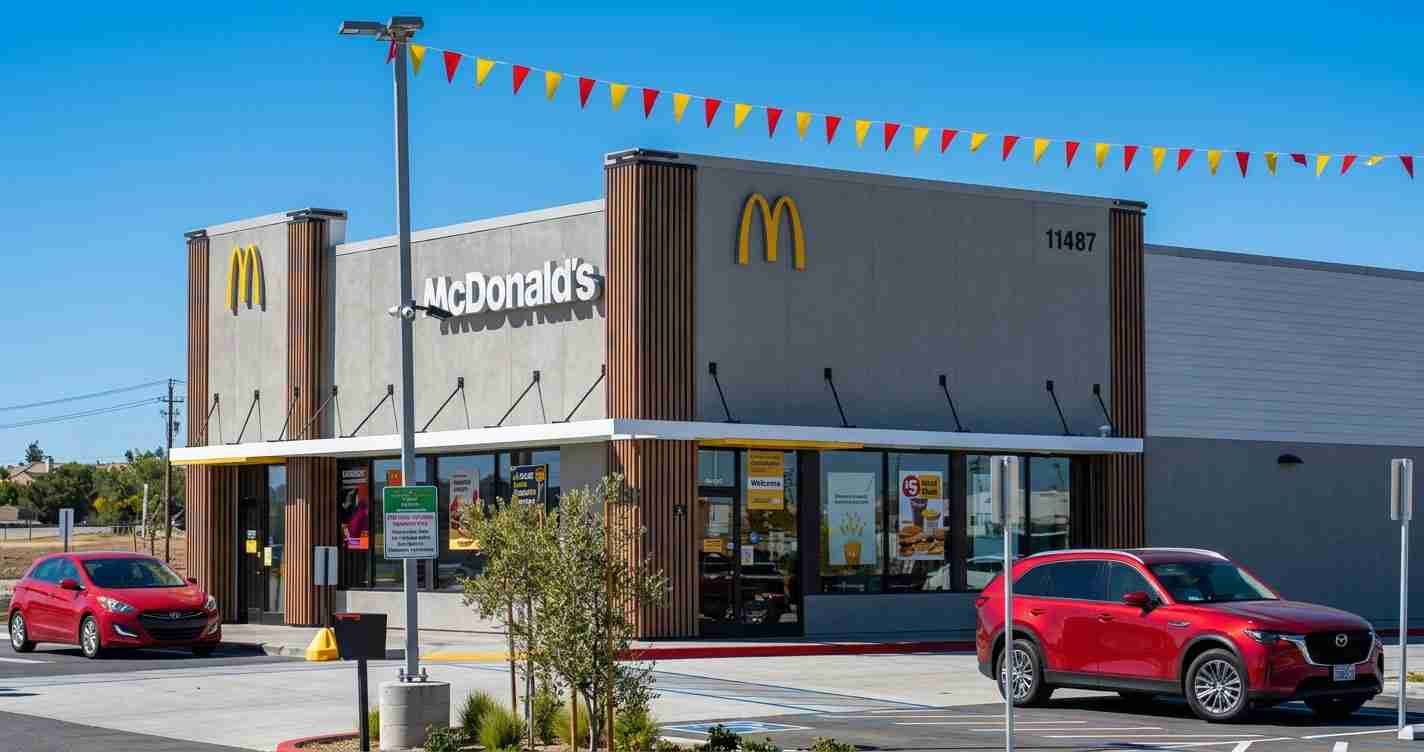
McDonald’s quietly ends era of self-serve soda fountains, moving to crew‑poured drinks nationwide
McDonald’s will phase out self‑serve soda fountains across U.S. locations by 2032, shifting to crew‑poured drinks to boost consistency, safety and efficiency while adding Refreshers and crafted sodas in response to changing customer habits and remodel schedules.
- Nationwide phaseout: Self‑serve soda stations will be removed during remodels and new builds, completing by 2032 (Fox Business, YouTube).
- Operational goals: Company cites improved consistency, food safety, maintenance savings and better alignment with app, kiosk, drive‑thru and delivery orders (Fox Business).
- Customer tradeoffs: Free self‑serve refills will end where fountains are removed; customers will request refills from crew, while new menu items such as Refreshers and crafted sodas roll out (YouTube).
Why McDonald’s is making the change
McDonald’s frames the shift as part of a multi‑year modernization tied to remodels and new builds. The company says many restaurants already pour drinks behind the counter; the rollout is gradual and intended to align in‑restaurant service with digital and drive‑thru fulfillment (Fox Business, YouTube).
Operational reasons cited
- Consistency: Crew‑poured drinks let McDonald’s control portion sizes and beverage recipes so in‑store, kiosk, app and drive‑thru customers receive the same product (Fox Business).
- Food safety & cleanliness: Removing public fountains reduces shared touchpoints and contamination risk; the company also cites concerns about theft and refills of purchased cups (YouTube, Fox Business).
- Maintenance and cost control: Public fountains require upkeep; crew‑poured systems reduce maintenance demands and inventory waste (company has not released detailed savings figures) (YouTube, Fox Business).
- Speed & workforce alignment: Modern ordering favors speed and fewer dine‑in amenities; crew duties can shift from machine upkeep to preparing digital and drive‑thru orders (YouTube).
What customers will lose — and gain
The self‑serve soda station has long been a hallmark of fast‑food convenience — customers could top off refills, mix flavors and control ice. Under the new model, free refills from open fountains will end where stations are removed; customers must request refills from crew, which may slow service for families and frequent customers who customized mixes (YouTube, Fox Business).
On the upside, McDonald’s promises a more consistent beverage and a broader lineup, including Refreshers and crafted sodas — signaling a push into flavored, premium and specialty drinks often called “dirty sodas.” The company teased a “new era of beverages” and said more details would follow (Fox Business, YouTube).
Industry context and adoption
The change follows a wider industry trend: since the pandemic, fast‑food chains have retooled layouts for digital ordering and drive‑thru capacity. Automated systems enabling crew‑poured, consistent beverages are more common, and analysts point to the costs of public drink stations and shifting consumer habits as drivers (Fox Business, YouTube).
Missing data and open questions
McDonald’s and media coverage explain the rationale, but the rollout leaves unanswered questions: the company has not published estimates of maintenance or shrinkage savings, nor offered before‑and‑after data on speed or customer satisfaction. Local franchise impacts will vary based on traffic and remodel timing (Fox Business, YouTube).
McDonald’s statement
“Our fans’ love for McDonald’s beverages runs deep. Next month, we’re building on that passion with a new era of beverages, featuring a variety of Refreshers and crafted sodas rolling out nationwide.” — Company announcement as cited in coverage (company announcement, video).
Implications for Redding, California
Economic impact
- Local franchisees: Redding operators will weigh remodel costs versus potential maintenance savings and increased beverage margins from portion control and new menu items. Remodels have upfront expenses and will follow the chain’s timeline (Fox Business).
- Sales mix: Drive‑thru and digital orders may benefit commuter‑oriented locations near Highway 5; downtown or mall sites reliant on dine‑in traffic may face different incentives to invest in seating expansion (YouTube).
Political consequences
Local officials in Redding and Shasta County may view the move as a private‑sector step that improves public hygiene without requiring new regulation. Franchise decisions remain private and the change does not mandate local policy shifts (Fox Business).
Social effects
Families who relied on quick refills — especially during Redding’s hot summers — may notice reduced convenience. Crew members’ tasks may shift from cleaning and refilling public machines to preparing custom drinks and handling digital orders, which could alter daily workflows in local restaurants (YouTube).
Cultural relevance
Redding consumers who value traditional fast‑food convenience may resist losing self‑serve refills, while others may welcome new premium beverage choices. For a region with hot summers, crafted cold beverages could become a popular draw (Fox Business).
Practical applications for customers
- How to get refills: In Redding restaurants that remove fountains, request refills from crew. For large groups, ordering multiple cups via the app or drive‑thru may be faster during busy times (YouTube).
- Where to expect changes first: Look for the new system in remodeled and newly built locations; refreshed restaurants will replace fountains during work (Fox Business).
Reporting this change locally will mean tracking remodel schedules and speaking with franchise operators about costs, customer response and the uptake of Refreshers and crafted sodas as the national phaseout continues (Fox Business, YouTube).