Ivanpah Solar Electric Generating System Under Fire: Bird Deaths, Natural Gas Use and Talk of Shutdown at Mojave Desert Plant
The Ivanpah Solar Electric Generating System in California’s Mojave Desert, a 392 MW concentrated solar power plant operating since 2014, now faces scrutiny over bird deaths, routine natural gas use and proposals for partial shutdowns.
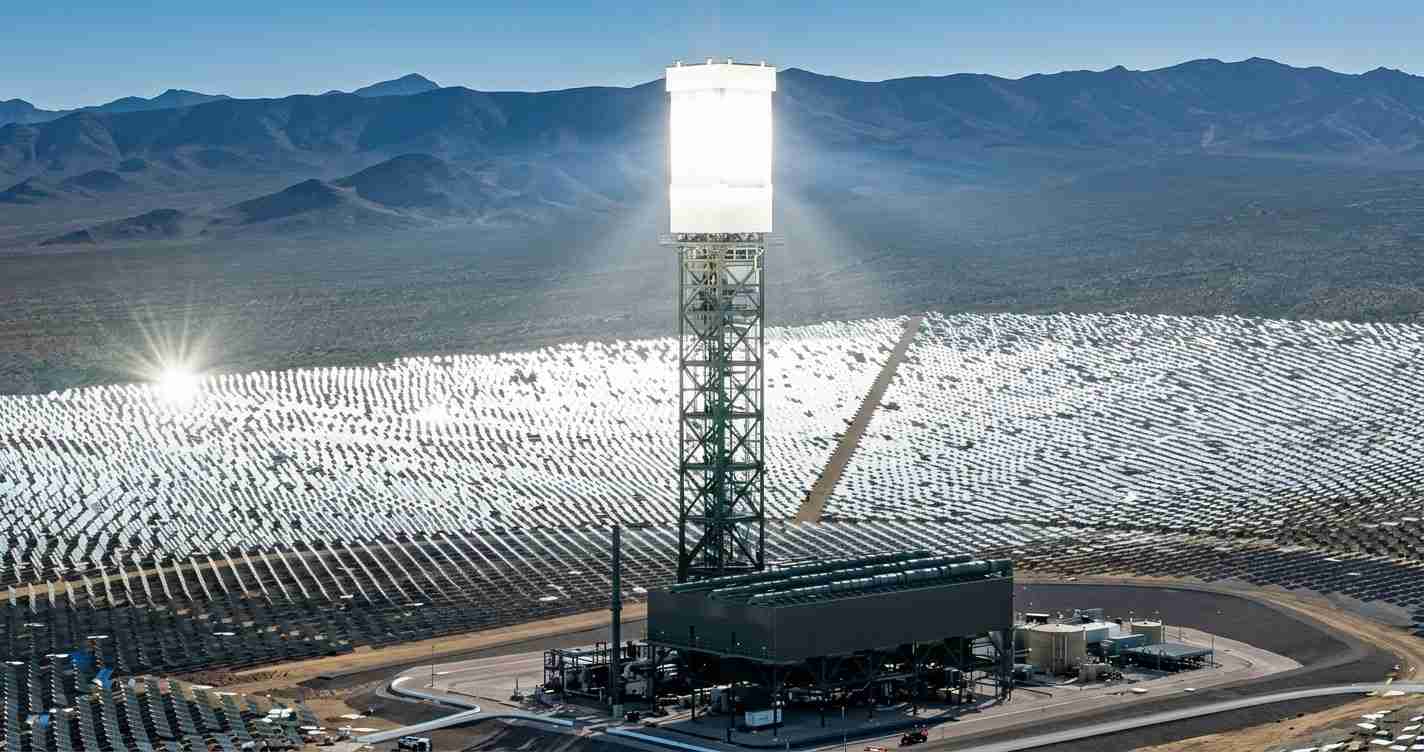
- Large-scale concentrated solar: Ivanpah is a 392 MW power-tower plant using roughly 347,000 mirrors and three 459-foot towers to make steam for turbines.
- Environmental trade-offs: Monitoring has documented bird mortalities from solar flux and routine natural gas use for daily startups raises greenhouse-gas concerns.
- Public funding and politics: The project received major federal backing — loan guarantees and a large Treasury grant — and its costs have spurred regulatory and political debate.
- Shutdown talks vs. reliability: Operators proposed shutting two units while California regulators cite grid reliability reasons to resist full closures.
Overview
The Ivanpah Solar Electric Generating System — often called the Ivanpah plant — occupies roughly 3,500 acres of the Mojave Desert near the California–Nevada border. The facility uses a power tower design with three towers and hundreds of thousands of sun-tracking mirrors called heliostats that concentrate sunlight to generate steam for conventional turbines. The plant’s nameplate capacity is 392 megawatts, split across three units (126 MW, 133 MW, 133 MW).
Scale and output: Operators have said the plant can generate enough power for up to 140,000 homes in favorable conditions, but its operational profile differs from photovoltaic-plus-battery systems because it has no built-in thermal storage.
Technical design and how the plant works
Ivanpah employs power-tower technology. Thousands of heliostats reflect sunlight to receivers atop three 459-foot towers. Concentrated beams heat water in the receivers to roughly 550–565°C, producing steam that drives conventional turbines. Because there is no thermal storage, the plant cannot dispatch energy after sunset; operators use natural gas each morning to warm boilers and bring turbines online.
“No built-in thermal storage means daily reliance on natural gas for reliable morning startups.”
Environmental concerns: wildlife and emissions
A major controversy at Ivanpah centers on the phenomenon of solar flux. The intense, concentrated beams near tower receivers can attract insects at dawn and dusk; those insects draw birds, and birds flying through concentrated flux have been documented as injured or killed. Monitoring reports and independent observers have recorded bird mortalities over years of operation. Operators implemented monitoring and mitigation plans, but critics argue those measures have not eliminated harm.
Emissions trade-offs: Because Ivanpah uses natural gas routinely for morning startups, it produces tens of thousands of metric tons of CO2 annually — complicating claims about being entirely “clean” when compared with modern photovoltaic-plus-storage alternatives.
Funding, ownership and costs
Developed by BrightSource Energy with partners including NRG and Google and constructed by Bechtel, Ivanpah was funded in part by $1.6 billion in U.S. Department of Energy loan guarantees and a $539 million U.S. Treasury grant that covered roughly 30% of construction costs. Those large public investments have attracted scrutiny as electricity from Ivanpah proved more expensive than some newer projects.
Supporters point to construction jobs and early ambition for large-scale concentrated solar; detractors highlight taxpayer exposure and argue that rapidly falling photovoltaic and battery costs change the economics.
Shutdown talks, regulatory choices and grid reliability
In 2025, operators sought to terminate power purchase agreements (PPAs) for Units 1 and 3, proposing shutdowns beginning in 2026 pending regulatory approval. Unit 2 has been treated separately because of a different utility contract. These moves reflected assessments that Ivanpah’s electricity costs exceed alternatives and that buyouts could make financial sense for utilities.
California regulators, however, have emphasized the plant’s role in grid reliability during peak demand and resisted full closure. The resulting tug-of-war among federal officials, commercial owners, utilities and state regulators leaves the plant’s future uncertain.
Local and regional implications (Redding, California)
Economic impact: Decisions about retiring older, costlier projects like Ivanpah could prompt utilities to replace them with cheaper solar-plus-storage resources, potentially lowering long-term costs for ratepayers. Short-term impacts may include buyout costs and contract settlements.
Political and social effects: For conservative voters in areas such as Redding, the project’s large federal backing is often cited as an example of risky government betting. Wildlife impacts resonate with hunters, conservationists and outdoor communities concerned with species protection and land use.
Practical implications: Grid planning, capacity procurement and investments in storage are shaped by regulatory choices about whether to keep facilities like Ivanpah online or allow retirement in favor of newer technologies.
Reporting notes and sources
- Key technical and project details — https://en.wikipedia.org/wiki/Ivanpah_Solar_Power_Facility
- U.S. Department of Energy overview — https://www.energy.gov/edf/ivanpah
- Bechtel project page — https://www.bechtel.com/projects/ivanpah-solar-electric-generating-system/
- Technical class project / analysis — http://large.stanford.edu/courses/2016/ph240/williams-g1/
- Environmental coverage and photo reporting — https://ensia.com/photos/the-evolution-of-ivanpah-solar/
- Background on Mojave Desert solar and project context — https://www.energymonitor.ai/projects/ivanpah-solar-electric-system-california/
- Market and shutdown reporting — https://www.environmentenergyleader.com/stories/ivanpah-solar-plant-shutdown-signals-shift-in-renewable-energy,63304
Final notes
Ivanpah remains a high-profile example of early large-scale concentrated solar power: technically ambitious and politically charged. The plant’s fate will hinge on balancing wildlife protection, greenhouse-gas emissions, cost and grid reliability — and on regulatory choices at state and federal levels.