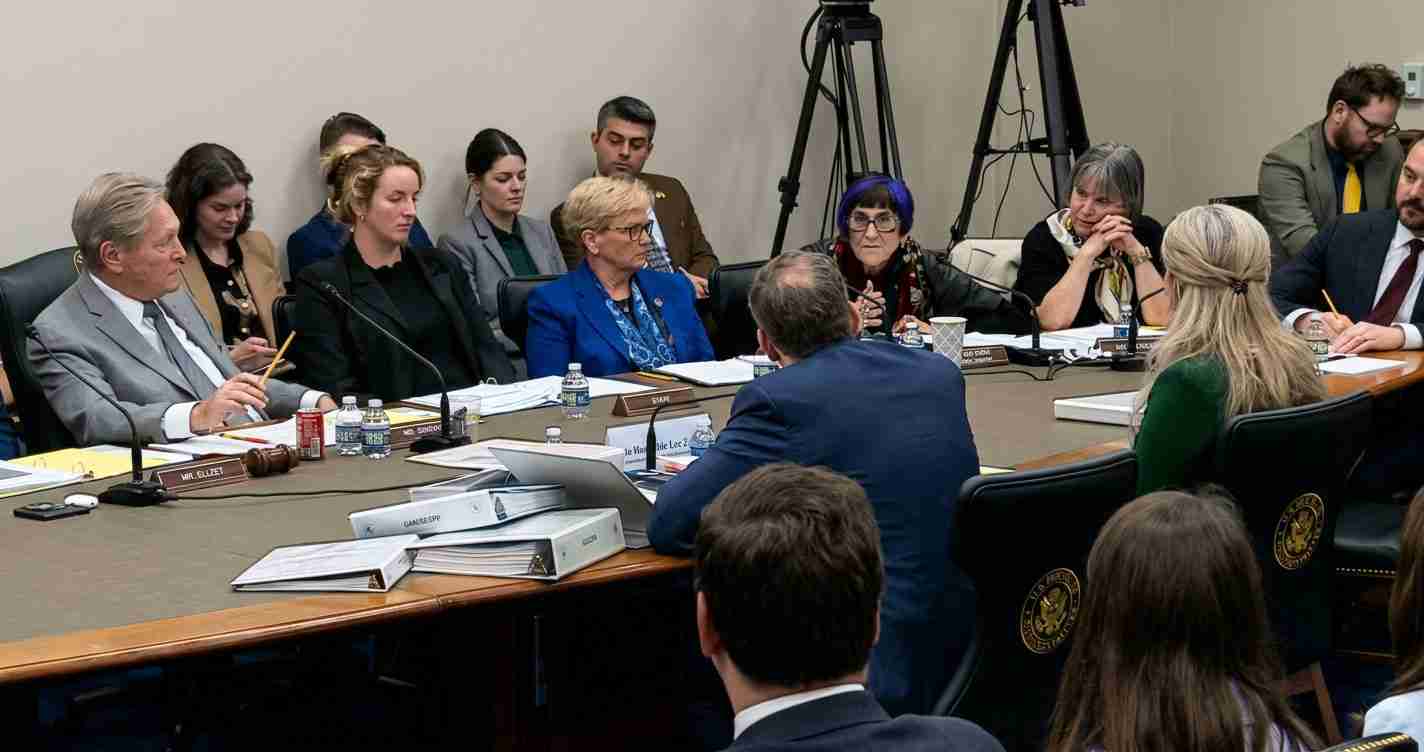
DeLauro, Zeldin Clash Over EPA Role and Budget as Loper Bright Rises in Hearing
At a House Appropriations hearing, Rep. Rosa DeLauro sharply criticized proposed EPA cuts as a “climate change denier’s manifesto,” while EPA Administrator Lee Zeldin defended reductions, citing Supreme Court rulings including Loper Bright and legal limits.
- Top Democrat rebuke: Rep. Rosa DeLauro called the EPA’s 2027 budget proposal “a climate change denier’s manifesto” during a Monday hearing.
- Budget defense: EPA Administrator Lee Zeldin defended cuts that would reduce the agency’s funding by more than 50%, arguing the agency’s authority is constrained by recent Supreme Court rulings, including Loper Bright (Zeldin remarks).
- Viral confrontation: The exchange grew heated as Zeldin challenged DeLauro’s familiarity with legal precedents like Loper Bright and the major questions doctrine; clips and commentary circulated widely online (viral highlights, Fox News coverage).
Hearing highlights and the back-and-forth
At the start of Monday’s hearing, DeLauro pressed Zeldin on the framing of President Trump’s 2027 budget request for the EPA. She warned that cutting the agency’s funding while minimizing climate threats was dangerous. “The budget proposal reads like a climate change denier’s manifesto,” she said, noting climate impacts such as flooding, polluted air, and rising health costs and asking how the agency could justify what she called appeasement of polluters (full hearing clip).
Zeldin responded by pointing to legal limits on the EPA’s role. He told DeLauro the agency lacks authority to unilaterally make sweeping policy decisions and cited statutory constraints and recent court rulings that he said restrict agency action. At one point he told the lawmaker,
“You’re upset that you don’t know what Loper Bright is… You’re a member of Congress. You should know.”
(Zeldin remarks and legal references).
The exchange escalated as interruptions mounted. DeLauro pushed back: “You do not have the right to say climate change does not exist,” she said, accusing the administration of dismissing climate science. Zeldin insisted the issue was legal authority, not science, and offered to name “the two biggest Supreme Court cases of the last few years” relevant to the debate. The tense back-and-forth was captured on video and spread on social media (viral highlights).
Budget context and political stakes
The hearing centered on a 2027 budget proposal that would slash EPA funding by more than half. Supporters of the cuts argue the agency has overreached and that legality now limits regulatory expansion. Opponents, including many Democrats, argue the cuts would harm public health, environmental protection, and the federal response to disasters. Zeldin defended the cuts in part by saying the EPA must follow the law as interpreted by recent Supreme Court rulings (Zeldin remarks).
Political framing: Conservative commentators praised Zeldin’s performance, saying he effectively “stumped” a Democratic lawmaker by pointing to legal precedent. Media coverage and social posts echoed that view, emphasizing the courts’ role in reining in agency power; others criticized the administration for minimizing climate risks (coverage and commentary).
What Loper Bright and the major questions doctrine mean here
Loper Bright Enterprises v. Raimondo (2024) reshaped judicial treatment of agency interpretations. The decision largely ended the practice of Chevron deference, where courts deferred to agency interpretations of ambiguous statutes. After Loper Bright, courts are more likely to interpret statutes themselves rather than defer to agencies (background).
Zeldin also invoked the major questions doctrine, which holds that agencies cannot make sweeping policy decisions on issues of vast economic or political significance absent clear congressional authorization. He argued these legal changes limit the EPA’s ability to use broad regulatory authority to address climate issues without explicit congressional approval. DeLauro and other Democrats counter that Congress has long given the EPA duties under laws such as the Clean Air Act and that funding cuts will undermine public health and environmental protections (hearing footage).
Public reaction and the viral moment
Video of the exchange circulated quickly. Conservative audiences praised Zeldin’s legal framing; some commentators argued the moment underscored the need for lawmakers to understand how courts reshaped administrative power. Critics warned the clip oversimplified legal nuance and expressed concern budget cuts could harm practical environmental work (viral highlights, Fox analysis).
Sources and where to watch the full exchange
- Full hearing clip
- Zeldin remarks and legal references
- Viral highlights and reactions
- Coverage and commentary (Fox News)
Implications for Redding, California
Economic impact
EPA budget cuts and a narrower federal mandate could change which projects receive federal funding in Northern California. Grants for local water treatment, air monitoring, and hazardous waste cleanup often rely on federal dollars. Less EPA funding could mean slower cleanup of contaminated sites and reduced support for programs that help farms and timber operations comply with federal standards — issues that affect Redding’s economy and surrounding agricultural and forestry businesses.
Political consequences
Locally, elected officials in Redding and Shasta County may face pressure from constituents on both sides. Conservatives who favor smaller federal government may applaud limits on regulatory expansion and the emphasis on Congress making law. Others will demand continued federal support for wildfire response, water infrastructure, and air quality monitoring. County supervisors and the city council could see this issue become part of local campaigns and state-federal coordination debates.
Social effects
Redding residents regularly contend with wildfire smoke in summer and fall. Reduced EPA funding could affect air quality monitoring and public health programs that warn vulnerable residents about dangerous smoke days. Public health clinics and hospitals that treat smoke- and pollution-related conditions could face increased strain if prevention and monitoring programs are cut.
Cultural relevance
In Redding, many value both local jobs and practical stewardship of the land. A debate over EPA power and budget cuts resonates with citizens who are skeptical of federal overreach but who also expect federal help after disasters. The legal debate over Loper Bright and agency authority highlights a larger cultural split: whether environmental and energy decisions belong primarily to elected representatives in Congress or to federal agencies.
Practical applications for daily life
If the EPA’s capacity is reduced, residents may notice fewer air-quality alerts, less frequent water testing, and slower action on local contamination issues. Farmers and timber operators might see changes in permitting and enforcement, possibly easing regulatory burdens but also shifting responsibility to state and local regulators. Local officials should prepare by seeking state funds, private partnerships, or targeted federal grants that remain available to protect public health and infrastructure.
Reporting note
This article is based on footage of the hearing and reporting available online. Full clips of the exchange can be viewed at the full hearing clip, Zeldin remarks, and viral highlights. Additional coverage and analysis appeared on Fox News.