
Alito Invokes Scalia ‘Microwave’ Analogy in Supreme Court Fight Over Birthright Citizenship
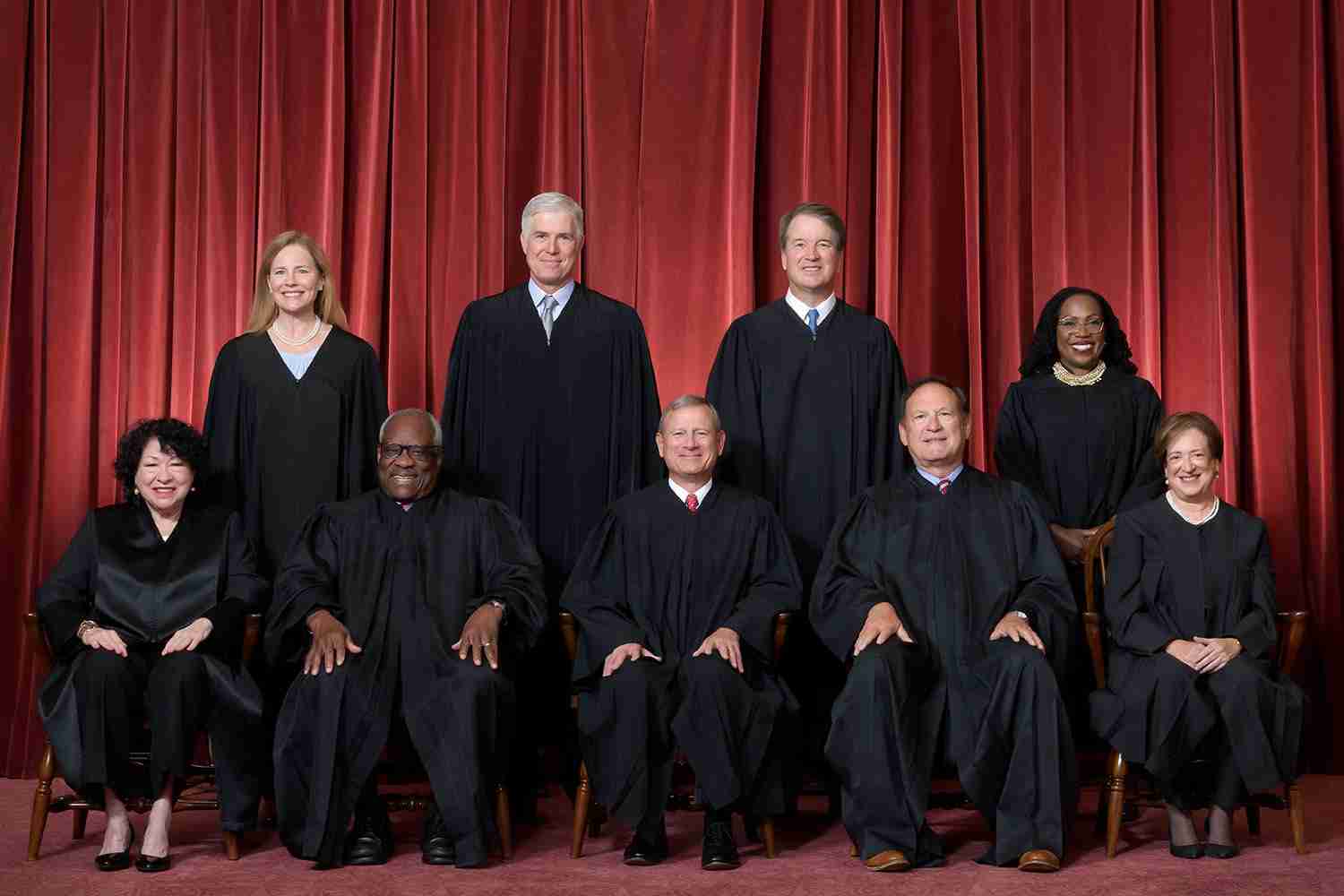
During Supreme Court oral arguments on April 1, 2026, Justice Samuel Alito invoked Antonin Scalia’s microwave-theft analogy in Trump v. Barbara to press a textualist reading of the 14th Amendment in a contentious debate over birthright citizenship and modern illegal immigration.
- Textualism vs. history: Alito used Scalia’s microwave hypothetical to argue that general constitutional text can apply to circumstances the framers did not foresee.
- Government’s position: Solicitor General John Sauer defended President Trump’s executive order to end automatic birthright citizenship for some U.S.-born children.
- Bench divisions: Alito and Thomas appeared most receptive to the narrower reading; several justices, including Kagan, voiced skepticism.
- Local stakes: A ruling limiting birthright citizenship could have economic, social and political impacts for places like Redding, California.
Background of the case
Trump v. Barbara was argued on April 1, 2026. The case asks whether the 14th Amendment’s guarantee that “all persons born or naturalized in the United States, and subject to the jurisdiction thereof” includes children born to parents who are in the country unlawfully. For coverage and recordings of the session see Fox News coverage and video of oral arguments and the video of the oral arguments.
Alito’s Scalia microwave analogy and textualism
Justice Alito told the court he was drawing on a well-known example from the late Justice Antonin Scalia: an old theft statute predates microwave ovens, so a defendant argues he cannot be convicted for stealing a microwave because microwaves did not exist when the law was written. Scalia rejected that defense, and Alito used the story to ask whether the 14th Amendment’s plain text should govern births today even if the framers had no experience with modern patterns of unlawful migration.
“A general rule can and should reach new items the drafters could not have imagined,” Alito suggested by invoking the analogy, framing the core issue as a textualist question.
Government’s argument and Sauer’s reply
Solicitor General John Sauer defended the executive order, tying the government’s approach to principles of allegiance and domicile and arguing that recognized historical exceptions — such as children of foreign diplomats — can be adapted to modern circumstances. Sauer aligned his presentation with Alito’s textualist framing, saying a general rule can extend to later, unforeseen situations. See Sauer’s presentation in Fox News live coverage and the argument video.
Skepticism from other justices
Several justices, including Justice Elena Kagan, expressed doubt. Kagan pressed Sauer on what she described as a tension between briefing that emphasized temporary visitors and the government’s broader theory encompassing those present unlawfully. That exchange, and other skeptical questioning from the bench, are captured in contemporary reporting and video clips, including analysis posted by Mediaite.
Wong Kim Ark and historical precedent
Alito also pressed an ACLU lawyer over United States v. Wong Kim Ark (1898), the seminal decision central to birthright-citizenship law. He questioned why the word “domicile” appears in Wong if domicile is irrelevant under a common-law understanding of birthright citizenship, and he noted Wong’s background — born in San Francisco to parents who were legal residents — to probe how historical practice and precedent should shape the clause’s application to people in unlawful status. See the relevant Wong Kim Ark clip.
Public understanding and stakes
Many Americans understand birthright citizenship to be broadly automatic for anyone born in the United States — a principle rooted in the 14th Amendment’s post–Civil War language that aimed to protect people born in the U.S. from denial of rights by state action. That public understanding has fueled debate as the government seeks to reinterpret “subject to the jurisdiction thereof.” Clips from the April 1 session were widely circulated; see the Fox News video clips and live reporting for primary recordings.
Where the justices stood in argument
Observers noted that Alito and Justice Clarence Thomas seemed most likely to back a narrower reading that could permit curbing automatic citizenship for children of people in the U.S. unlawfully. Other justices’ questions suggested resistance to excluding such children from the 14th Amendment’s coverage. Those divisions on the bench left the outcome uncertain at argument’s end; the Court had not issued a decision as of April 1, 2026. See coverage at Fox News.
Implications for Redding, California
A change in how the 14th Amendment is applied could produce concrete local effects in Redding and similar communities. Below are potential impacts and practical steps for residents and officials.
Economic impact
If automatic birthright citizenship were limited, hospitals, schools and clinics could face new verification and billing questions about newborns’ status. Employers in agriculture, construction and service sectors reliant on immigrant labor might see increased uncertainty about workforce stability, potentially raising costs for small businesses in Shasta County. Public health systems could see administrative burdens increase if birth certificates and citizenship determinations become contested.
Political consequences
Redding’s conservative-leaning electorate is likely to follow the case closely. A decision limiting birthright citizenship could energize local conservative campaigns focused on immigration control; a ruling preserving broad birthright citizenship may spur state-level policy pushes or local debates on cooperation with federal immigration authorities. Either outcome may influence City Council and county supervisor races.
Social effects
Families in Redding with mixed-status households could face increased anxiety. Community organizations, churches and schools that serve immigrant families may see demand grow for legal assistance and social supports. Questions over a child’s citizenship status could affect access to some benefits and immigration options; local legal aid groups may need to expand outreach.
Cultural relevance
The debate touches local values that mix conservative priorities on law and order with concern for family stability. Textualist arguments like Alito’s Scalia microwave analogy may resonate with readers who favor strict statutory interpretation, while others will focus on practical and humanitarian implications for families.
Practical applications for residents
- Healthcare providers should review birth-registration procedures and prepare for potential documentation changes.
- Schools and social-service agencies should plan for increased inquiries about eligibility and legal referrals.
- Elected officials may consider town halls or forums to explain legal issues and contingency plans.
- Residents seeking clarity should consult trusted immigration attorneys and official federal guidance as the case moves toward decision.
Reporting sources and next steps
Video clips and news summaries of the April 1, 2026, arguments are publicly available. For the primary recordings and reporting cited above, see Fox News coverage and video, the Fox News video clips, the YouTube argument video, the Wong Kim Ark clip, live reporting at Fox News live coverage, and additional analysis from Mediaite. The Supreme Court had not issued a decision as of the oral arguments; residents and officials should monitor official court releases and consult legal experts about implementation and local impacts.



