
Chinese-linked container ships abruptly turn back at Strait of Hormuz, exposing cracks in Iran-China assurances
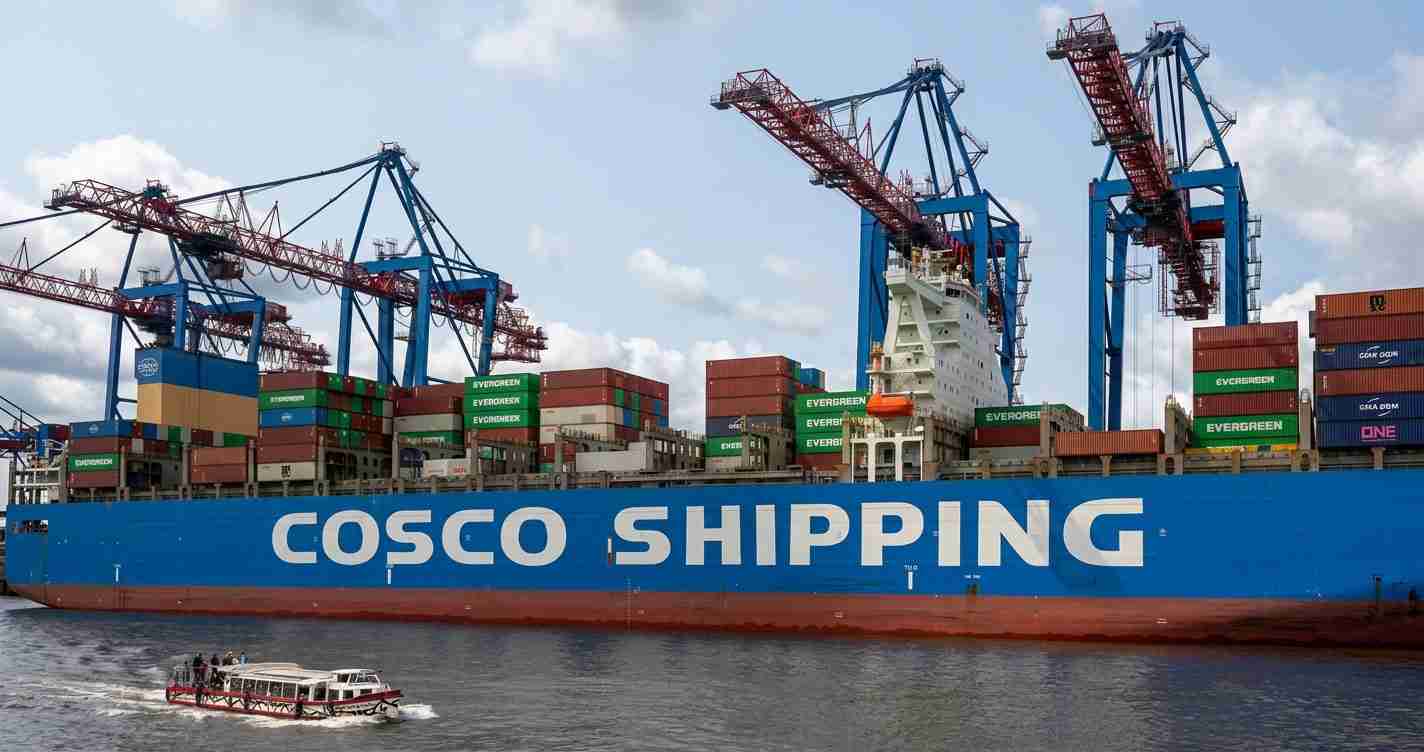
Lede: On March 27, 2026, three Chinese-linked container ships — including two major Cosco vessels — abruptly reversed course near Larak Island in the Strait of Hormuz, contradicting Tehran’s public assurances of safe passage and highlighting IRGC maritime controls.
Key takeaways
- Three vessels reversed course: CSCL Indian Ocean, CSCL Arctic Ocean (Cosco) and the Hong Kong-owned Lotus Rising turned back near Larak and Qeshm on March 27, according to tracking reports.
- IRGC enforcement trumps diplomacy: Iran’s Islamic Revolutionary Guard Corps Navy said it warned and forced the ships to return, applying rules that bar sailings tied to countries it views as hostile.
- China’s leverage limited at sea: Beijing sought assurances for its ships, but the episode shows the IRGC retains operational control; analysts expect China to press for written transit protocols or reroute trade.
What happened at sea
Tracking services showed the Cosco vessels approached the Strait early on March 27 and then reversed course near the outbound corridor. Commercial analysts and ship-tracking firms flagged the returns as unusual for two large, state-linked container ships. Public reporting cited tracking data and maritime intelligence that recorded the manoeuvre, noting the ships turned back near Larak and Qeshm islands.
Shipping context: Marine traffic logs and industry analysts treated the event as the first attempted outbound transit by major Cosco boxships since regional tensions escalated in late February.
Why the ships turned back
There is no single public explanation. Several likely factors appear to have contributed:
- Prior ports visited: Records show the Cosco ships called at Gulf ports including Dubai, Dammam (Saudi Arabia) and Abu Dhabi since mid‑February; Iran’s rules reportedly bar sailings to or from ports in countries it labels supportive of the United States and Israel.
- Paperwork and authorization: Analysts suggest the vessels may have lacked formal transit paperwork the IRGC now requires — diplomatic understandings do not appear to replace on-the-water checks.
- Signaling and caution: The vessels broadcast identification messages noting Chinese ownership and crew to signal friendly status, but Iranian authorities apparently found that insufficient and ordered returns.
Diplomacy vs. command-and-control at sea
The episode exposed a split between public diplomacy and operational control. Tehran’s foreign ministry publicly reassured on March 25 that ships from China, Russia, India and others would enjoy safe passage, yet the IRGC — which operates maritime checkpoints in the Strait — appears to enforce stricter rules on the water. That underscores the limits of diplomatic assurances when a military force controls a chokepoint.
“The Strait is treated as a de facto toll booth,” media linked to Iran’s security apparatus have said, arguing cargo, ownership and crew information must be cleared for transit.
Beijing’s position and the limits of influence
China pushed diplomatically after the incident, urging guarantees for its ships and seeking quiet assurances that Chinese trade would be protected. Yet the turnbacks show China’s leverage is not absolute at sea: the IRGC retains operational control and can enforce rules independently of public diplomacy or Chinese requests. Analysts expect China to press for clearer, written transit protocols or to consider routing changes for some trade.
Wider effects on shipping and energy
The Strait of Hormuz carries nearly 20% of the world’s oil and gas flows. Since tensions rose on Feb. 28, corridor traffic has fallen sharply. Some ship operators have rerouted, crews have turned off automatic identification systems, and shipping firms report higher costs, delays and insurer reluctance. The aborted transit by two major Cosco box ships is significant because container routes feed global supply chains that reach U.S. ports and stores.
Implications for Redding, California
Economic effects: Disruptions in the Strait can drive oil-price volatility. Redding drivers and local businesses could face higher pump prices if disruptions persist, straining household budgets and increasing costs for farms, trucking and construction.
Supply chains: Container-ship disruptions may slow imports of consumer goods and parts, affecting local retailers, manufacturers and municipal projects. Delays and higher shipping costs could push up prices and timelines in Shasta County.
Local security and politics: For many in Redding’s conservative communities, the incident reinforces calls for a robust U.S. naval presence to keep trade lanes open. Local debate may press federal representatives for stronger measures to secure energy supplies and support allied navies.
Practical impacts: Price-sensitive households, small businesses, and emergency services (including firefighting during wildfire season) could feel immediate effects from higher fuel and procurement costs.
What local leaders can watch for
- Monitor oil and shipping markets for fuel-price spikes and container delays.
- Engage federal representatives about maritime security measures and allied naval patrols.
- Prepare municipal budgets for short-term increases in fuel and procurement costs; maintain contingency funds.
Reporting and next steps
This incident is part of a larger pattern of heightened tensions in the Strait of Hormuz since late February. The turnbacks by Chinese-linked vessels raise fresh questions about how Iran applies its checkpoints and how durable assurances to friendly powers like China may be. Shipping companies, insurers and governments will watch whether Tehran clarifies rules, issues licenses, or continues strict controls through the IRGC Navy.


