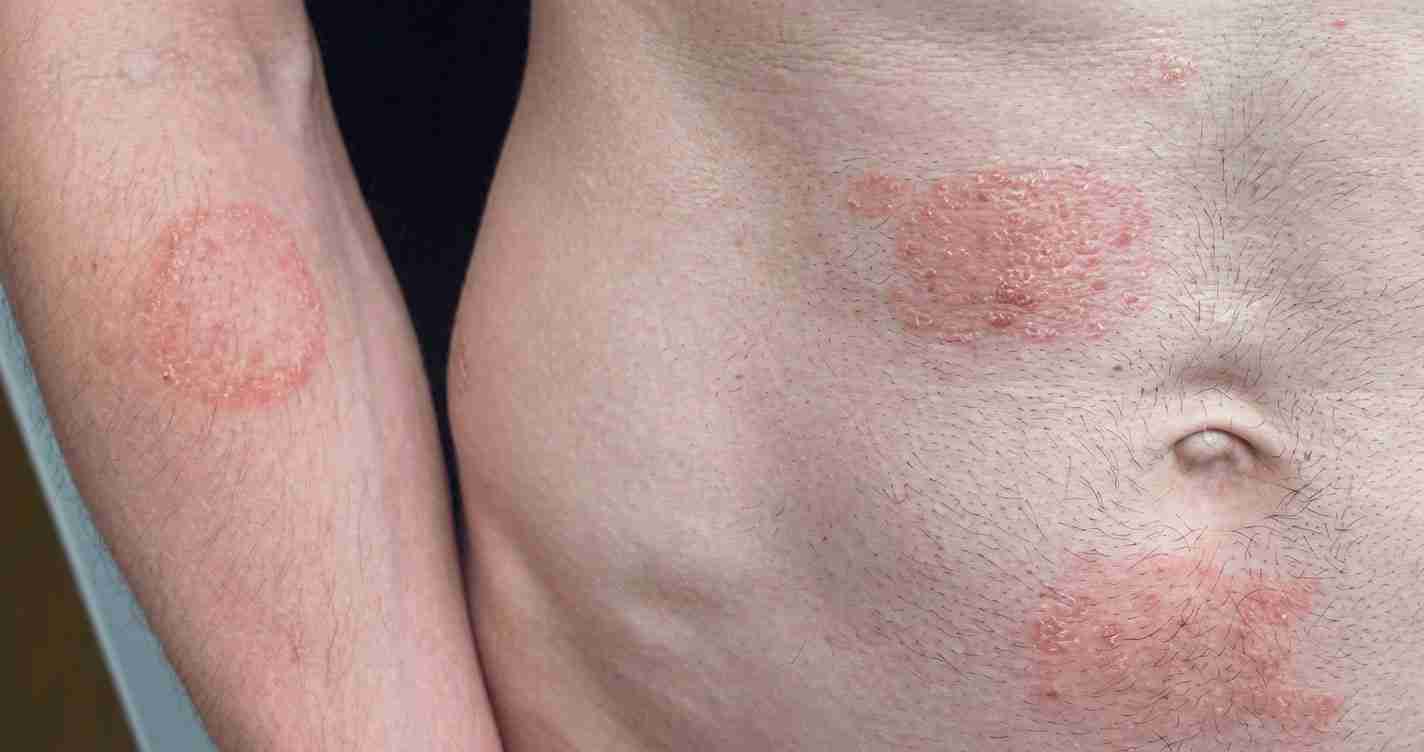
Minnesota health officials warn of TMVII outbreak — a sexually transmitted fungal infection causing ringworm-like rashes
Minnesota is facing the nation’s largest known outbreak of TMVII, a sexually transmitted Trichophyton mentagrophytes genotype VII fungal infection causing ringworm-like rashes; more than 30 confirmed or suspected cases have been reported across the Twin Cities since July 2025.
Key takeaways
- TMVII is a strain of dermatophyte spreading through direct skin-to-skin contact, including sexual contact; public guidance and surveillance have been increased. (CBS News)
- Minnesota logged its first case in July 2025 and reports 13 confirmed and 27 suspected Twin Cities cases after enhanced surveillance. (Fox News)
- TMVII may require prescription oral antifungals for up to three months; early recognition, partner notification and avoiding skin contact are key prevention steps. (CIDRAP)
What is TMVII?
TMVII — short for Trichophyton mentagrophytes genotype VII — is a fungal type that produces round, red, irritated rashes. It belongs to a larger group of fungi that commonly cause athlete’s foot, jock itch and ringworm, but TMVII is notable as the only known fungal-based sexually transmitted infection currently recognized. Clinical descriptions emphasize more persistent, sometimes harder-to-treat infections linked to sexual transmission. (CBS News; CIDRAP)
Timeline and geographic spread
The earliest U.S. TMVII case was identified in New York City in 2024. Minnesota confirmed its first local case in July 2025 when a patient sought care for a genital rash. After enhanced surveillance, public health officials in the Twin Cities have reported 13 confirmed and 27 suspected cases. The Centers for Disease Control and Prevention has also confirmed cases in multiple U.S. cities. (KSTP; CBS News; Fox News)
Symptoms and presentation
TMVII most often appears as round, coin-like red rashes that can be itchy, painful and sometimes have small bumps or pimples on top. Common locations include the arms, legs, buttocks, genitals, perianal area, trunk and thighs. Because lesions can resemble eczema, psoriasis or other skin conditions, misdiagnosis is possible, which can delay treatment. Without timely care, lesions may persist, become painful and potentially scar, particularly in people with weakened immune systems. (CBS News; CIDRAP)
High-risk groups
Minnesota health officials report higher counts among men who have sex with men and commercial sex workers so far, but emphasize that anyone can acquire TMVII through direct skin contact. A history of other sexually transmitted infections may increase risk, and immunocompromised individuals face higher risk of severe or prolonged disease. Public messaging stresses that while cases are concentrated in some groups, TMVII is not limited to any single community. (CBS News; Fox News)
Diagnosis and treatment
Clinicians may suspect TMVII when lesions look like ringworm but fail to respond to over-the-counter topical antifungals. Confirmation often requires skin scraping for fungal culture or genetic testing at a public health laboratory. Treatment typically involves prescription oral antifungal medication and can take up to three months to fully clear. Current antifungal drugs appear effective, but early treatment reduces spread and complications. Public health guidance recommends starting treatment when the clinical picture is convincing, rather than waiting for lab confirmation. (Fox News; CIDRAP)
Expert perspective
Dr. Hayden Andrews, an infectious disease specialist at UT Southwestern Medical Center, said TMVII symptoms resemble typical ringworm and jock itch, with round itchy spots that could be mistaken for eczema, and that careful clinical evaluation is essential to distinguish TMVII from other conditions. (Fox News)
Prevention and control measures
Public health officials recommend straightforward, practical actions to limit transmission:
- Inform sexual partners if you receive a diagnosis so they can seek evaluation and treatment. (CBS News)
- Avoid all skin-to-skin contact, including sexual activity, until treatment is complete and a clinician confirms you are no longer contagious. (CBS News; CIDRAP)
- Do not share clothing, towels, bedding or personal items that touch affected skin; wash linens and towels on high heat and clean bathing areas and surfaces. (Fox News)
Public health response in Minnesota
After several people sought care and reported possible contacts, the Minnesota Department of Health established enhanced surveillance to detect additional cases. Healthcare providers are urged to consider TMVII in patients with genital or nearby skin lesions linked to sexual contact, report suspected cases, and submit fungal samples to the state lab for confirmation. Officials emphasize that early detection and treatment are central to halting further spread. (Fox News; CIDRAP; ABC3340)
Practical advice for clinicians and clinics
Public health guidance asks clinicians to:
- Collect skin scraping samples for fungal culture when TMVII is suspected.
- Start antifungal treatment when the clinical picture is convincing, rather than waiting for lab confirmation in all cases.
- Report suspected and confirmed cases to public health to aid outbreak tracking and determine if further measures are needed.
- Alert patients in high-risk populations about symptoms and screening availability. (CIDRAP; Fox News)
Implications for Redding, California
Economic impact: Local health clinics, urgent care centers and primary care offices in Redding could see increased demand for evaluations and longer oral antifungal prescriptions if TMVII appears in Northern California, placing strain on small clinics and uninsured patients and potentially pressuring public-health budgets for surveillance and outreach.
Political consequences: Given local conservative priorities around personal responsibility and local control, targeted public messaging focused on individual prevention steps — informing partners, avoiding skin contact until treated, and not sharing personal items — can align with community values and limit calls for broad mandates. (Audience-aligned framing)
Social effects: If cases emerge locally, concerns could rise in communities with active social scenes. Stigma is a risk; officials should protect privacy, communicate facts and ensure treatment access to prevent marginalization.
Cultural relevance and practical advice: Framing guidance around protecting partners and households, clarifying differences between routine ringworm and TMVII, and stressing available effective treatments will help reduce alarm. Redding residents should watch for round, itchy rashes that do not improve with over-the-counter creams and seek care for lesions in genital, buttock, thigh or trunk areas. Local clinics should be ready to collect samples and start oral antifungal therapy when indicated. (Sources: CBS News; CIDRAP; Fox News)
Where to find more information
Residents seeking updates should consult official statements and reporting from public health authorities. Local clinicians can find testing and reporting guidance through state or county health departments. Source coverage and additional reading: