
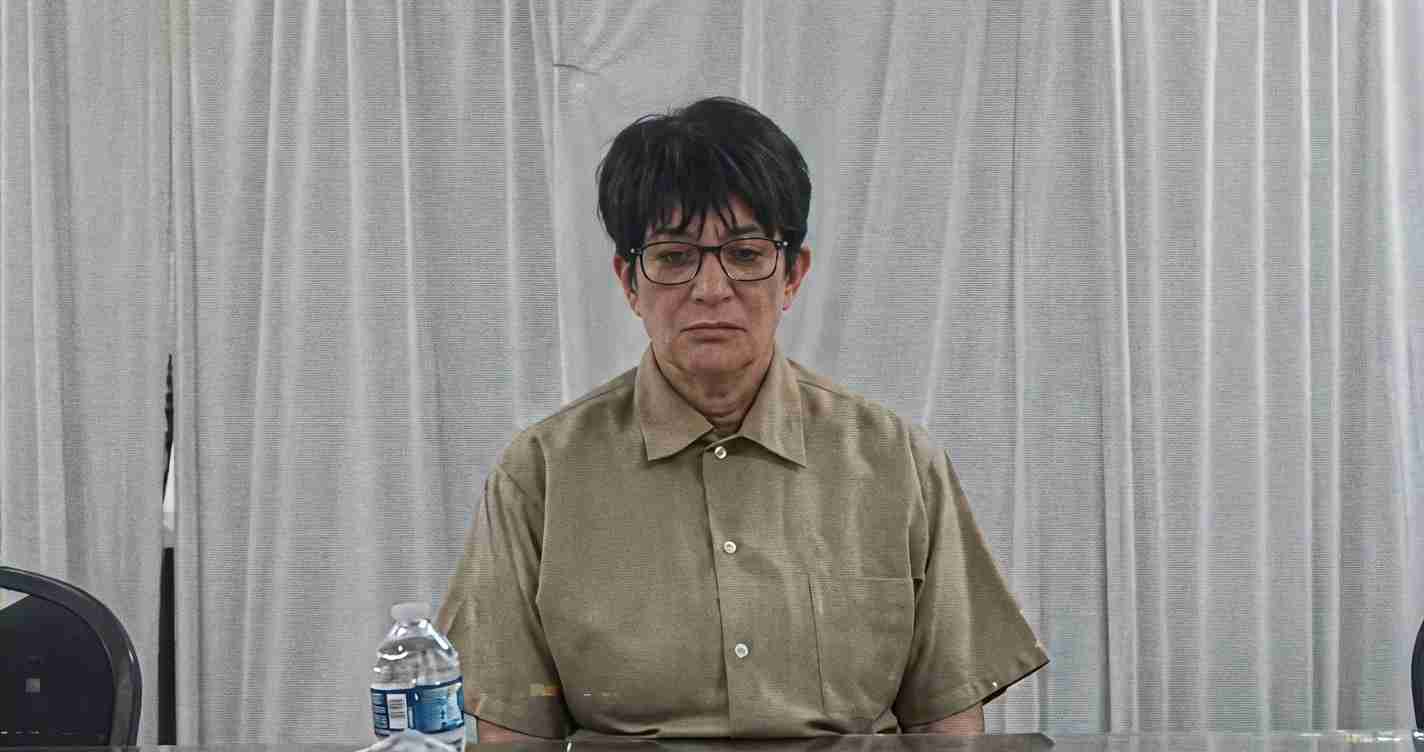
Maxwell Pleads the Fifth, Ends House Oversight Deposition in Under an Hour; Attorney Presses for Trump Clemency
Ghislaine Maxwell invoked the Fifth Amendment repeatedly and declined to answer questions during a closed-door virtual deposition before the House Oversight Committee on Feb. 9, 2026, ending the session in under an hour amid a clemency request from her attorney.
- Short deposition: Maxwell refused to testify, invoking the Fifth and ending the closed virtual session in under an hour; sources: ABC News: Maxwell expected to invoke the Fifth Amendment in closed virtual House Oversight deposition, Politico: Maxwell pleads the Fifth during House Oversight deposition.
- Clemency pitch: Attorney David Oscar Markus said Maxwell would testify fully only if President Trump granted clemency and stated she had “no indication” Trump or Bill Clinton were involved.
- Investigation continues: Chairman James Comer released full audio and video and said the bipartisan probe will press on with additional depositions and review of unredacted DOJ files.
Deposition ends quickly after Fifth Amendment invoked
The virtual session opened Monday morning and shut down in under an hour after Maxwell repeatedly invoked her Fifth Amendment right against self-incrimination. Committee staff had prepared wide-ranging questions tied to the Jeffrey Epstein investigation, but Maxwell’s silence prevented substantive testimony entering the public record.
“She declined to answer questions, citing her constitutional rights,” committee officials said; Chairman James Comer later described the silence as “very disappointing.”
The committee subsequently released the full video and audio of the deposition to provide transparency about what occurred in the closed session.
Legal context: pending habeas petition and risk of new charges
Legal observers note Maxwell’s decision was predictable given her pending habeas corpus petition in federal court in New York challenging aspects of her conviction or sentence. Testifying could have exposed her to new criminal liability or complicated ongoing appeals, so her legal team appears to have weighed those risks before advising silence.
Attorney’s statement: clemency and claims about Trump and Clinton
At the start of the session, attorney David Oscar Markus read a statement saying Maxwell had “no indication” that either former President Bill Clinton or former President Donald Trump were involved in wrongdoing tied to Epstein. Markus also said Maxwell would speak “fully and honestly” if President Trump granted clemency; he later posted a version of the statement on X.
The clemency pitch drew immediate public and political reactions, with some lawmakers calling it a political stunt and others insisting survivors’ views must guide any negotiation.
Committee reaction and transparency steps
Chairman James Comer called Maxwell’s refusal to testify “very disappointing” and released the deposition’s full video and audio to the public. Committee leaders framed the probe as seeking accountability for victims and examining whether federal officials handled Epstein-related matters properly.
The committee also obtained access to unredacted files at the Department of Justice as part of its document review in the bipartisan investigation.
Democratic criticism and the clemency debate
Democrats on the committee denounced Markus’s clemency pitch. Rep. Suhas Subramanyam said Maxwell “should have no hope of ever getting out of prison,” while Rep. Jasmine Crockett and others labeled the statement a bid for political intervention. Comer said he opposed offering immunity or clemency as part of the probe, noting survivors were against such deals.
That split underscores a partisan disagreement over tactics for obtaining testimony in high-profile investigations and balancing survivors’ interests with investigatory needs.
Probe goes on: next depositions and unredacted files
Despite Monday’s setback, the committee has scheduled additional interviews. Planned depositions include:
- Leslie Wexner (Feb. 18)
- Former Secretary of State Hillary Clinton (Feb. 26)
- Former President Bill Clinton (Feb. 27)
- Interviews with Epstein’s accountant and attorney
On the day of Maxwell’s deposition, lawmakers were allowed to view unredacted Epstein-related files at the Department of Justice as part of the committee’s documentary review.
Survivors’ views and the public interest
Survivors have offered mixed views on negotiation tactics: some demand full transparency and accountability; others warn against deals that would let a convicted conspirator out in exchange for testimony. That tension shaped reactions to Markus’s clemency pitch and informed lawmakers’ public statements.
Committee leaders say they must balance the search for truth with respect for survivors and the legal limits of congressional authority.
Implications for Redding, California
Economic impact: The ongoing Epstein probe is unlikely to directly affect Redding’s economy, though continued national focus on accountability and federal spending may influence perceptions of government oversight among local business owners.
Political consequences: For conservative voters in Redding, Maxwell’s invocation of the Fifth and the clemency pitch could reinforce concerns about accountability and perceived elite treatment, potentially shaping local GOP discussions on oversight and presidential clemency.
Social effects & cultural relevance: The case remains sensitive for survivors in Shasta County. Local groups and faith leaders may revisit resources for survivors, while conservative media and talk radio likely will emphasize law-and-order themes and fairness concerns.
Practical applications: Elected officials and civic groups in Redding could use the moment to review local abuse reporting, victim support, public briefings by law enforcement, and training in schools and nonprofits to reassure residents.
Source links for reporting and verification
- ABC News: Maxwell expected to invoke the Fifth Amendment in closed virtual House Oversight deposition
- Politico: Maxwell pleads the Fifth during House Oversight deposition
- House Oversight Committee video: deposition material and statements
Reporting and transparency
The House Oversight Committee released audio and video of the deposition after Markus read his statement and Maxwell invoked her rights. Committee leaders said the bipartisan probe will continue, pursuing additional witnesses and documentary evidence even as legal and political battles persist.
What to watch next: scheduled depositions of key witnesses, further document reviews, and any legal filings related to Maxwell’s habeas petition or potential responses from the White House concerning clemency questions.



