GOP’s SAVE America Act Sets Up Tough Vote on Voter ID and Proof of Citizenship
The Republican-led SAVE America Act would require documentary proof of U.S. citizenship and government-issued photo ID for federal elections, prompting a House vote and intense partisan debate over whether the measure secures elections or causes widespread voter suppression.
- Federal proof requirements: The bill would mandate documentary proof of citizenship to register for federal elections and require government-issued photo ID to vote — see the bill text.
- Enforcement and penalties: It adds penalties, a private right of action, and state duties to remove noncitizens from rolls — earlier related language is in H.R. 22.
- Partisan stakes: Supporters cite election integrity; critics warn of disproportionate barriers for elderly, low-income, student, tribal, and rural voters (reporting and analysis).
- Local impacts: Smaller county offices — including Shasta County — could face higher administrative and legal burdens if the law is enacted.
What the SAVE America Act would do
The bill — formally the Safeguard American Voter Eligibility (SAVE) Act — would reshape registration and voting rules for federal contests.
Proof of citizenship at registration
Under the SAVE Act, registrants for federal elections would need to provide documentary proof of U.S. citizenship. Acceptable items in the text include a U.S. passport, a REAL ID-compliant license showing U.S. citizenship, military ID with service record, or a photo ID paired with a birth certificate or naturalization papers — see the bill text and additional reporting.
Photo ID at the polls
The legislation would require a government-issued photo ID to cast a ballot in federal elections. If an ID does not display citizenship, voters must provide additional proof unless a state verifies citizenship via Department of Homeland Security records. The bill addresses absentee ballots and sets procedures for voters lacking documents (coverage; Campaign Legal Center explainer).
Enforcement and penalties
The SAVE Act includes a private right of action and criminal penalties for officials who register voters without required proof. It also mandates state-level efforts to remove noncitizens from voter rolls using federal data (related bill text).
“The bill would change how people register and how they vote in federal elections,” reshaping verification and enforcement nationwide.
Legislative status and next steps
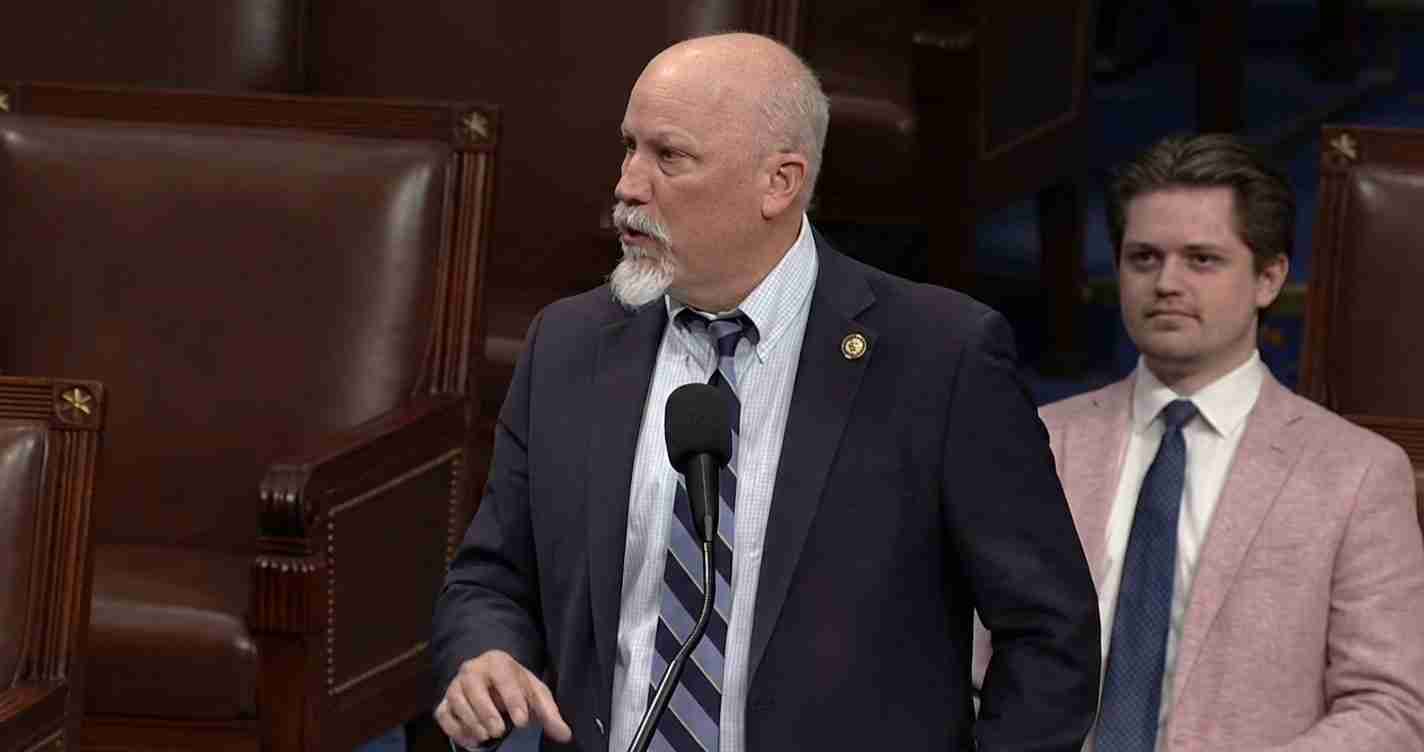
House leadership has scheduled a vote after pressure from hard-line Republican lawmakers; Rep. Chip Roy (R-Texas) is a notable backer. Earlier versions emphasized registration proof; the current amended version pairs that with a nationwide photo ID requirement (bill history; bill text; reporting).
If passed by the House, the bill faces long odds in the Senate. Some Republicans are being urged to consider filibuster changes to ease passage, intensifying the political debate (see video briefing).
Who is supporting the bill — and who opposes it
Supporters
- Republican lawmakers and conservative commentators: Frame the SAVE Act as a common-sense measure to secure elections and prevent illegal voting; they cite polls showing public support for photo ID requirements (overview; Bipartisan Policy Center notes).
- President Donald Trump: Has publicly urged passage and used forceful language about fixing perceived election problems (reporting).
Opponents
- Democrats and voting-rights groups: Warn the SAVE Act could be voter suppression, disproportionately affecting elderly, low-income, people of color, students, and rural residents. See analysis by the Brennan Center and Campaign Legal Center.
- Legal and nonpartisan analysts: Note the bill sets a tougher national photo ID standard than many states and could reject student and tribal IDs accepted elsewhere (Bipartisan Policy Center).
On celebrity and tech endorsements
Right-wing commentators and online figures have amplified calls for the bill. Reports of endorsements from certain public figures circulate on social media, but mainstream reporting and the bill text do not substantiate all such claims. Verified support includes President Trump and Republican leaders; other celebrity endorsements require direct statements or reliable reporting (reporting).
Legal and practical questions
The SAVE Act raises legal and operational concerns for states and election officials:
- Document access: Many eligible voters lack the documents listed as acceptable proof — driver’s licenses often omit citizenship, and passports or birth certificates can be burdensome to obtain (analysis).
- Administrative burden and penalties: State and local officials would have added duties to verify citizenship and remove noncitizens, risking increased workload and potential errors in smaller county offices (Campaign Legal Center).
- Existing protections and rarity of noncitizen voting: Scholars note noncitizen voting in federal elections is rare; critics say the bill fixes a limited problem with broad restrictions, while supporters argue federal standards close loopholes (Bipartisan Policy Center).
Implications for Redding, California
Economic impact
County election offices in Shasta County and nearby rural counties would likely face more paperwork, verification duties, and higher administrative costs for staff time, document processing, and legal compliance if the SAVE Act becomes law (bill text).
Political consequences
Redding’s conservative-leaning electorate often prioritizes election integrity, so local Republicans may welcome uniform photo ID rules. Local Democrats and voting-rights groups could mobilize in opposition, making the federal debate a local campaign issue (context).
Social effects
The bill may disproportionately affect residents who lack easy document access — low-income, elderly, and rural voters. County outreach and document-help clinics would be critical to assist affected residents (critique).
Cultural relevance
The debate in Redding will likely reflect broader national tensions: supporters emphasize security and confidence in elections, while opponents stress access and participation. That dynamic could sharpen debates over how to balance security and voter inclusion (analysis).
Practical applications for residents
Residents should check IDs and gather documents now — passports, REAL IDs, or birth certificates — and county election offices and civic groups should prepare clinics and clear guidance on registration and voting requirements if the law changes (bill details; voter help resources).
Sources and further reading
- CBS News: Save America Act overview
- Congress.gov: H.R. 7296 (text)
- Congress.gov: H.R. 22 (earlier related bill)
- Campaign Legal Center: What you need to know
- Democracy Docket coverage
- Brennan Center analysis
- Bipartisan Policy Center: Five things to know
- Public remarks and coverage (video briefing)
Reporting assembled from the bill text and coverage by CBS News, Congress.gov, Campaign Legal Center, Democracy Docket, the Brennan Center, and the Bipartisan Policy Center. Residents with questions should contact the Shasta County elections office for local guidance.