
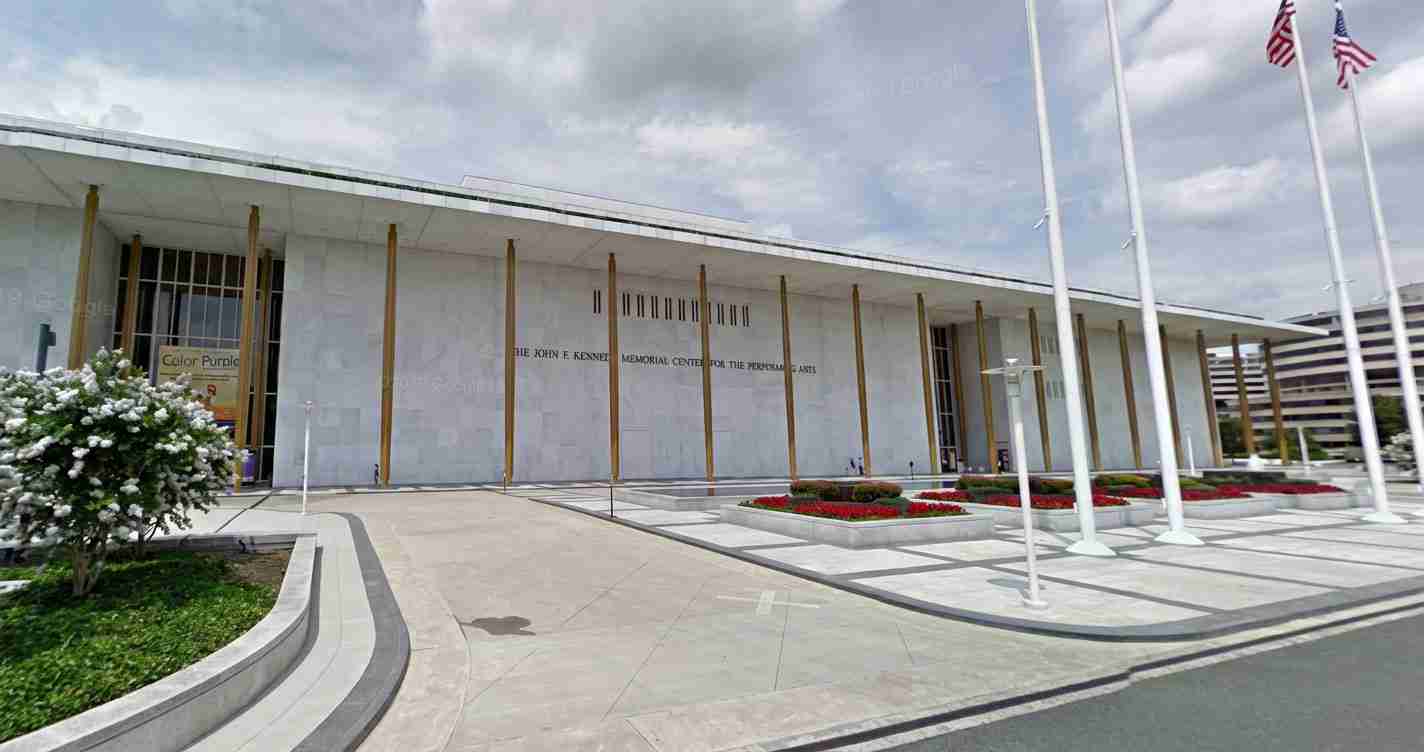
Trump Kennedy Center to Close July 4 for Two-Year Renovation, Raising Questions About Funding and National Symphony Orchestra Impact
President Trump announced a two-year closure of the Kennedy Center beginning July 4, 2026, for a “Construction, Revitalization, and Complete Rebuilding” project, raising urgent questions about funding, oversight and the fate of resident companies like the National Symphony Orchestra.
- Two-year full closure set to begin July 4, 2026, tied to the nation’s 250th anniversary and described as a faster way to complete renovations.
- Funding opaque: Officials claim financing is “completed,” yet no public cost, funding sources, or audits have been disclosed.
- Operational disruption: Hundreds of scheduled performances and resident companies, including the National Symphony Orchestra, face uncertain relocation, postponement, or cancellation.
- Political and legal scrutiny: Board changes, renaming and pending lawsuits have amplified oversight concerns and potential challenges to the plan.
Announcement and rationale
President Trump posted the plan on Truth Social framing the shutdown as necessary to deliver a faster, higher-quality renovation after a yearlong review with contractors, arts experts and advisers. He called the end result “a World Class Bastion of Arts, Music, and Entertainment, far better than it has ever been before.”
The White House announcement and initial reporting appear in national outlets including CBS News and Politico, which note Trump tied the July 4 start date to the nation’s 250th anniversary.
Scope and remaining uncertainties
Official descriptions — renovation, revitalization, complete rebuilding — leave open whether the complex will be renovated in place, partially demolished, or fully rebuilt. Center staff and senior sources have reported that detailed plans, blueprints and cost estimates have not been released; as one senior Kennedy Center staffer told reporters, “I don’t know what any of it means.”
Key unanswered questions include:
- What is the total project cost and who is funding it?
- Will historic elements of the Kennedy Center be preserved?
- How will resident companies be housed or compensated during the closure?
- What are the concrete timelines, procurement plans, and oversight mechanisms?
Operational impact on performers and resident companies
The Kennedy Center hosts hundreds of performances each year and is home to several resident companies. The National Symphony Orchestra (NSO) is among the most directly affected institutions. The abrupt closure threatens scheduled concerts, education programs and touring plans; some organizations have already canceled or moved appearances amid the controversy and renaming.
“Smaller resident companies may face existential pressure” if long-term performance space is unavailable and touring and education circuits are disrupted.
Reporting on these operational impacts is ongoing; see coverage by Washington Classical Review and CBS News.
Board control, politics and legal challenges
The closure still requires approval by the Kennedy Center board. President Trump chairs that board and has replaced several members with allies since February 2025, which critics say has politicized the institution and may influence decision-making.
Legal pushback is already underway: lawsuits over the December 2025 renaming to the “Trump-Kennedy Center” are in motion, and advocacy groups such as Democracy Defenders Action and the Washington Litigation Group have signaled they will challenge moves that sidestep oversight or misuse public funds.
Funding questions and oversight concerns
Trump has said financing is “completed, and fully in place,” but has not disclosed a price tag or funding sources. No public accounting or audit plan has been released. That lack of transparency has prompted calls from lawmakers and watchdogs for hearings, audits and explicit commitments regarding federal or private funding use.
For many readers — particularly those concerned with taxpayer stewardship — the core issues are clear: who pays, who oversees, and what safeguards exist to prevent politicization or misuse.
Reactions from the arts community and performers
The renaming and closure announcement have prompted departures and cancellations. The Washington National Opera has left the center, and other performers have canceled planned appearances amid backlash. Arts leaders warn that shuttering a major national venue could disrupt education programs and regional touring circuits that benefit communities nationwide.
Implications for Redding, California
Economic impact: Redding benefits from national touring acts; a two-year Kennedy Center closure could alter national touring schedules, reducing West Coast stops and affecting local hospitality revenue.
Cultural and social effects: Local orchestras, schools and arts groups rely on national circuits for guest artists and exchanges. Reduced touring could limit residency and classroom programs in Redding.
Political consequences: Conservative voters and local officials in Redding often emphasize fiscal responsibility. The opaque funding and board changes may prompt requests for congressional hearings or funding reports if federal money is implicated.
Practical effects for residents: Patrons who travel to Washington for performances may face cancellations or rebookings; community arts leaders should begin outreach to regional presenters and funders to prepare for potential touring shifts.
Sources and further reading
Reporting note: This article preserves reporting and links to original coverage by the outlets above.



