
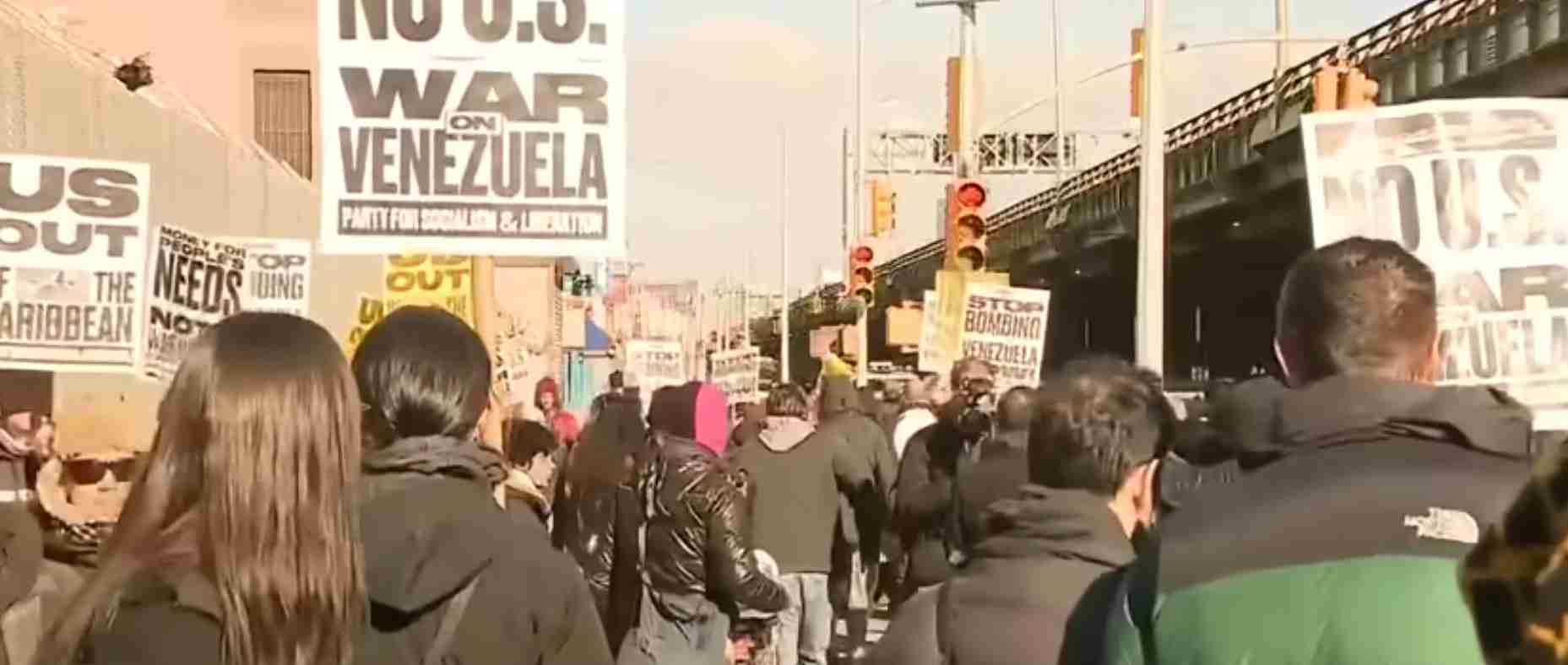
U.S. Special Forces Seize Nicolás Maduro; Arraignment Set in Manhattan After Transfer Aboard USS Iwo Jima
Venezuelan President Nicolás Maduro was seized by U.S. special forces in Caracas on January 3, 2026, then transferred aboard the USS Iwo Jima; his arraignment is set in Manhattan federal court at noon on January 5, 2026.
Key takeaways
- Capture in Caracas: Maduro and his wife, Cilia Flores, were taken in a U.S. operation called Operation Absolute Resolve and moved out of the country.
- Transfer chain: The couple were transported to the USS Iwo Jima, then flown to Stewart Air National Guard Base and placed in federal custody at the Metropolitan Detention Center in Brooklyn.
- Charges: Maduro faces a 2020 indictment alleging a narco‑terrorism conspiracy to traffic cocaine into the U.S.; a sealed superseding indictment adds further allegations.
- Arraignment: An initial appearance is scheduled for noon ET on January 5 in Manhattan federal court; defense is expected to argue head‑of‑state immunity.
Main content
Capture and transfer: what officials say
U.S. authorities describe the seizure as a carefully planned law‑enforcement operation aimed at enforcing longstanding criminal charges. According to accounts, Maduro and Flores were apprehended at a Caracas residence during a U.S. military action targeting senior figures described in public filings. The operation was carried out under the name Operation Absolute Resolve. For detailed case background, see United States of America v. Nicolás Maduro.
After the capture, officials say the couple were taken aboard the USS Iwo Jima, then flown to Stewart Air National Guard Base before being placed in federal custody at the Metropolitan Detention Center in Brooklyn.
Legal case and narco-terrorism charges
The criminal case traces to a March 26, 2020 Department of Justice indictment accusing Maduro and others of a broad conspiracy to traffic cocaine into the United States in concert with Colombian guerrilla groups and other partners. The indictment characterized the scheme as a narco‑terrorism conspiracy; prosecutors later filed a sealed superseding indictment adding narcotics and related allegations. Public filings remain limited because portions are sealed. See the public source: United States of America v. Nicolás Maduro and the Department of Justice reference: U.S. Department of Justice media release.
Prosecutors assert the case rests on criminal conduct that harmed the United States by enabling cocaine shipments and violent enforcement networks. Defense lawyers are expected to present two primary arguments at arraignment: that the seizure of a sitting head of state on foreign soil was illegal, and that customary international law grants heads of state immunity from criminal prosecution in foreign courts. Legal scholars note that the immunity claim will be closely scrutinized given the rarity of charging a sitting leader in domestic courts.
Arraignment and courtroom logistics
Maduro’s initial court appearance is scheduled for noon ET in Manhattan federal court. He is currently held at the Metropolitan Detention Center in Brooklyn and is expected to be transported to a Manhattan courthouse for a brief arraignment tied to the Southern District of New York case. The proceeding will likely be procedural: a judge will advise the defendant of the charges and ask whether he intends to enter a plea.
Because of the high profile and national‑security elements, portions of filings or the record may be sealed. Defense counsel are expected to raise immunity and jurisdictional challenges at the outset.
Comparisons and historical context
It is rare for U.S. forces to seize a sitting head of state and bring him to the United States to face criminal charges. The most commonly cited precedent is the 1989 capture of Panamanian leader Manuel Noriega, who was brought to Miami on drug trafficking charges. That episode remains a touchstone for debates about sovereignty, military intervention, and the extraterritorial reach of U.S. criminal law.
Operation Absolute Resolve and U.S. justification
U.S. officials framed Operation Absolute Resolve as a law‑enforcement action justified by longstanding criminal allegations and national‑security concerns. The administration that authorized the operation cited narco‑terrorism and drug trafficking allegations from the 2020 indictment as justification for using force to seize Maduro and Flores. Supporters point to decades of harm from illegal drug flows; critics raise questions about sovereignty and the legality of using military forces to detain a foreign head of state.
Reactions and international repercussions
International response was still forming as public reports emerged. Some allied governments may view the arrest as legitimate enforcement against transnational criminal networks; others are likely to condemn a forcible seizure of a sitting leader on foreign soil. Diplomatic fallout could include formal protests, international hearings, and legal challenges. Given classified operational details and sealed records, public debate will focus on competing principles: combating transnational crime versus protecting state sovereignty.
Implications for Redding, California
Economic impact
- Drug supply and enforcement: If prosecution diminishes international trafficking networks, local law enforcement in Redding and Shasta County could see long‑term benefits. Short‑term route shifts may require renewed policing resources.
- Energy and markets: Although Venezuela is an oil producer, current public records do not connect this operation to immediate local gas prices or energy supply in Redding; residents should monitor national energy news for downstream effects.
Political consequences
- Local conservative response: Many conservative voters in Redding prioritize rule of law and border security; framing the operation as enforcement against narcotics networks may resonate locally.
- Legal and constitutional concerns: Regional legal commentators may debate constitutionality and international law implications of arresting a sitting head of state; expect local officials to weigh in.
Social effects
- Community safety and resources: Disruption of trafficking may improve long‑term community safety, but short‑term disruptions or fears could increase demand for law enforcement and treatment services.
- Civic engagement: High‑profile international events often spur local debate; residents may attend town halls or contact representatives seeking clarity on federal policy and oversight.
Cultural relevance
For many in Redding’s conservative community, the matter frames around law, order, and protecting American communities from illegal drugs. The capture of a foreign leader accused of narco‑terrorism may galvanize local political activism or support for tougher enforcement policies.
Practical applications for residents
- Watch for official guidance: Follow verified news sources and local law enforcement statements; avoid spreading unverified claims about immediate security threats.
- Local services and needs: If federal action shifts trafficking patterns, local agencies may request additional resources—monitor city and county announcements.
- Civic participation: Residents concerned about national security, international law, or drug enforcement can contact representatives to express views and request oversight.
Sources and further reading
- United States of America v. Nicolás Maduro (Wikipedia)
- U.S. Department of Justice media release (sealed superseding indictment reference)
End of article—no conclusion.



