
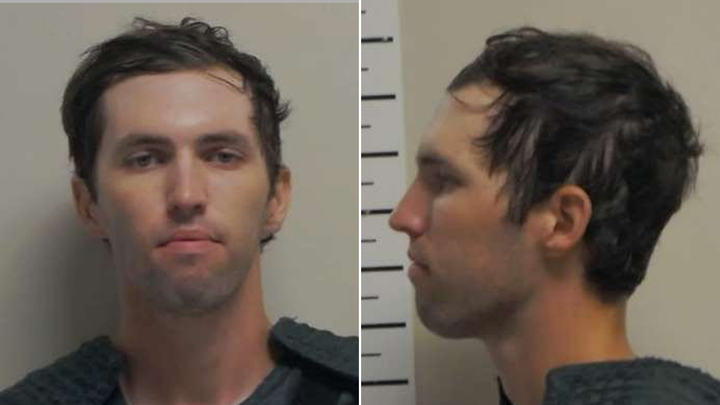
Accused Charlie Kirk Killer Tyler Robinson Makes First In-Person Court Appearance; Hearing Centers on Secrecy and Media Access
Tyler Robinson, 22, accused of fatally shooting political activist Charlie Kirk, made his first in-person court appearance Dec. 11, 2025, in Provo’s 4th District Court as judges debated media access, gag orders and sealed records and transparency concerns.
- Defendant and charges: Tyler Robinson, 22, faces an aggravated murder charge among seven counts; prosecutors say they will seek the death penalty if convicted. See KUER and related pool video.
- Hearing focus: The Dec. 11 hearing addressed media access, potential gag orders and sealed records — not evidence or trial scheduling. (Sources cited below.)
- Courtroom scene: Robinson appeared handcuffed and calm; security was heightened and public access restricted at the 4th District Court in Provo.
- Local impacts: The case’s secrecy debates carry economic, political and social implications for communities such as Redding, California.
First in-person appearance and court security
On Thursday, Dec. 11, 2025, Tyler Robinson made his first in-person appearance in the 4th District Court in Provo after earlier remote hearings by video or audio. Court security was visibly heightened: streets near the courthouse were blocked and members of the public were barred from bringing bags into the building. Robinson was transported from the Utah County Jail and was in a button-up shirt and tie, appearing handcuffed, calm and still during the short proceeding. See reporting from KUER and pool footage on YouTube.
Charges and legal stakes
Prosecutors have filed seven counts related to the Sept. 10, 2025, shooting at Utah Valley University that left Charlie Kirk dead. The lead charge is aggravated murder; other counts include felony discharge of a firearm causing serious injury, obstruction of justice (two counts), witness tampering (two counts), and a violent offense committed in the presence of a child. Prosecutors signaled they will seek the death penalty on the aggravated murder count if convicted, adding complexity and length to pretrial litigation. (Source: KUER.)
Hearing focus: Provo media access, gag order and sealed records
The Dec. 11 session was not about evidence — lawyers argued about how public proceedings and filings should be. The defense requested tighter restrictions on live video and press reporting, arguing that broad coverage risks prejudice to potential jurors. A coalition of media organizations — local public radio, television, newspapers and national partners — pushed back, asking for more access to filings and hearings and warning that excessive secrecy would erode public trust in the justice system. The courtroom has already seen sealed proceedings and restricted documents, and a gag order currently limits public statements by the parties outside of court. How the judge rules will determine what reporters and the public may see in pretrial hearings and at trial. (Sources: KUER, YouTube pool video.)
Pool video incident and decorum rules
A notable dispute involved a rule barring video that shows Robinson’s shackles. Defense attorneys said pool videographers inadvertently captured and broadcast Robinson’s leg shackles, violating the order. Media attorneys for the pool apologized, removed the portion from distributed material, and acknowledged the mistake. The defense used the error to argue for tighter media limits.
“The inclusion of shackles was unintentional,” pool counsel told the judge; the defense argued the error demonstrates why more restrictive limits are needed.
Reactions: media coalition, the Kirk family and public interest
The media coalition has said it may pursue additional legal steps if access is further restricted. Charlie Kirk’s widow has publicly urged transparency, saying she wants the public to see that justice is done. Media lawyers and some observers emphasize that this case touches national politics and therefore carries an elevated public-interest standard.
Why this hearing matters
Legal experts call Dec. 11 the most significant step so far: it was Robinson’s first in-person appearance and the first detailed court debate over how open future proceedings will be. Rulings on gag orders and sealed records could limit real-time public reporting of pretrial motions, death-penalty-related hearings, evidence disclosure and witness testimony — shifting how the public learns about the case.
Next steps in the Charlie Kirk murder case
Court watchers expect more hearings on the scope of the gag order and access to filings, along with motion hearings and scheduling for trial. No firm trial date has been set. Prosecutors reaffirmed they intend to seek the death penalty on the aggravated murder charge, which will shape the timeline and complexity of pretrial litigation. The media coalition has warned it may file additional challenges if the court maintains sealed records or expands closures. (Sources cited below.)
Implications for Redding, California
Economic impact: National attention on the case can affect local economies that host political events and speakers. Redding — which frequently receives conservative speakers — could see altered security and media arrangements, with possible revenue impacts for hotels, restaurants and venues.
Political consequences: The case’s prominence may drive local calls for transparency, oversight of court access rules and robust protections for political speech and assembly.
Social effects: The killing of a national political figure can heighten tensions. Local groups may boost security at rallies and schools and increase conversations about mental health and crisis response.
Cultural relevance: Debates over open courts and media access resonate in communities that value free speech and government transparency; perceived secrecy can deepen distrust in institutions.
Practical applications: Local media should prepare for restrictions on live video and courtroom coverage; event organizers should review security plans and coordinate with law enforcement.
Sources and reporting notes
This article is based on reporting and pool footage from Dec. 11, 2025. See original coverage and video:
- KUER — “Charlie Kirk suspect Tyler Robinson makes 1st in-person appearance in court” (Dec. 11, 2025)
- Pool video (YouTube) — clip showing courtroom arrival and coverage elements
- Pool video (YouTube) — clip of hearing, decorum discussion and pool apologies
Note: Court records remain partially sealed. Public reporting here is limited to open-court arguments and non-sealed docket entries; future rulings will determine what additional material becomes available.



