Inside “Little Mogadishu”: Somali community in Minneapolis faces fraud allegations, national political attacks and renewed scrutiny of Ilhan Omar
In Minneapolis’ Cedar‑Riverside neighborhood—’Little Mogadishu’—a large Somali diaspora community balances vibrant cultural life with intense scrutiny over alleged welfare and immigration fraud, while national political attacks, including claims about Rep. Ilhan Omar, complicate public perception.
- Community hub: Cedar‑Riverside serves as a cultural and commercial center for Somali Americans, with mosques, businesses and community life centered around Riverside Plaza (Star Tribune).
- Media framing: National outlets such as Fox News Digital highlighted both vibrancy and a “cloud” of welfare and immigration fraud allegations, while local profiles emphasize daily life and belonging.
- Political context: Statements from national figures, including former President Donald Trump, have used local cases to press broader immigration and benefits narratives; attacks have included contested claims about Rep. Ilhan Omar.
- Local implications: The reporting risks conflating individual cases with community‑wide patterns; officials in other cities, such as Redding, California, may face calls for audits, enforcement, outreach and integration policies.
Inside Cedar‑Riverside: place and people
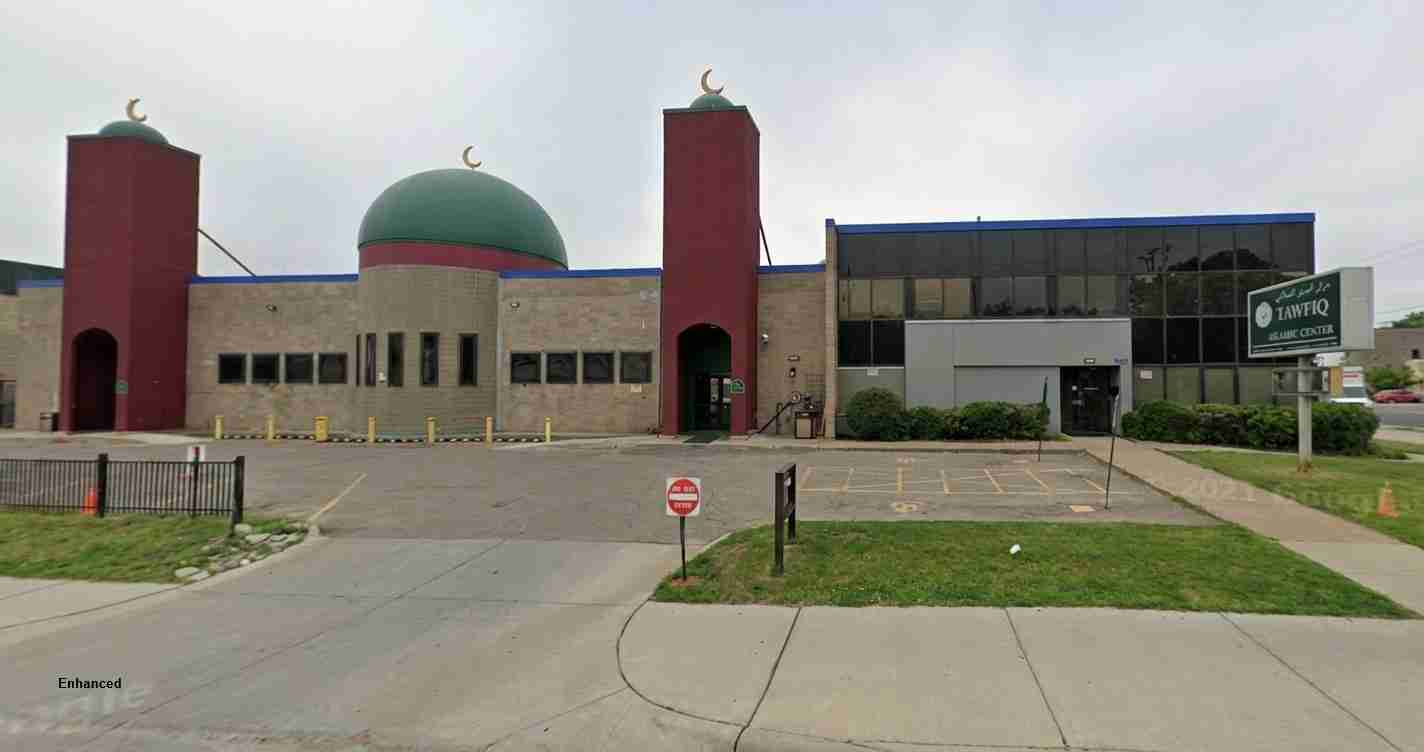
Cedar‑Riverside sits just south and west of downtown Minneapolis, separated from much of the city by the Mississippi River and freeway corridors. The neighborhood — often called “Little Mogadishu” — is visible for its mosques, shops, restaurants and community centers that draw people statewide. Local landmarks include the high‑rise Riverside Plaza and a dense cluster of Somali businesses and faith institutions (Star Tribune; Cedar‑Riverside (Wikipedia)).
Community life: routines, religion and belonging
Residents describe a neighborhood where social life is constant: men gather in coffee shops late into the night; families run small businesses and worship at local mosques; youth speak English and engage on social media. For many Somali Americans, the area offers safety and a sense of belonging after the disruptions of migration and resettlement. Local feature reporting frames Cedar‑Riverside as a symbolic center for Somali life in Minnesota (Star Tribune).
A Fox News Digital visit: scenes and framing
Reporters from Fox News Digital documented both community vibrancy and visible strain. Their video and written coverage showed busy mosque gatherings, campaigning signs for progressive candidates, and Somali youth conversing in English, while also depicting some blocks as run‑down or “hollowed out.” A local recap of the piece appears via WHMI.
Generational differences are emphasized: elders often have limited English and lead more traditional lives; younger residents are more Western‑facing, politically engaged and active online.
The “cloud of fraud”: welfare and immigration claims
Much national scrutiny centers on allegations of welfare or immigration fraud tied to small networks or individual cases. Conservative outlets and political figures have used these prosecutions to question public benefits and chain‑migration policies. Fox’s coverage places such claims at the forefront, suggesting a climate of suspicion around the neighborhood (Fox News Digital; WHMI).
It is important to separate charges against individuals from claims that entire communities are engaged in systemic fraud.
Public records indicate prosecutions and investigations have targeted specific people or small groups, not proven community‑wide schemes. National reporting often links individual cases to broader policy debates over refugee resettlement and family‑based immigration.
Trump rhetoric and national politics
Former President Donald Trump and allies have repeatedly criticized refugee resettlement in Minnesota, accusing Somali immigrants of exploiting chain migration and benefits programs. Those remarks nationalize the Cedar‑Riverside experience and make the neighborhood a focal point in discussions about immigration and welfare policy (WHMI).
For conservative audiences, local cases become evidence in debates about oversight and reform; others see such examples as anecdotal and nonrepresentative.
Ilhan Omar: allegations, denials and reporting
Claims: The Fox report highlights renewed allegations from Trump and allies that Rep. Ilhan Omar married a sibling as part of an immigration scheme. Omar has consistently denied those claims.
Evidence: Mainstream reporting and public records have not produced proof that meets the standards of major newsrooms or law‑enforcement bodies. The allegation remains contested and is frequently cited by critics as emblematic of alleged misuse of immigration processes (WHMI).
Local life versus national headlines
Local features emphasize day‑to‑day social ties, small businesses, arts and an active cultural life that many residents describe as welcoming and safe. This portrayal contrasts with national frames that foreground security or fraud, simplifying a complex community reality (Star Tribune).
Demographics and setting
Cedar‑Riverside has roughly 8,000 residents, with Somalis constituting a significant share. The neighborhood functions as a meeting point for shopping, worship and social life; landmarks include Riverside Plaza and a cluster of mosques and Somali businesses that serve the state’s broader Somali population (Star Tribune; Cedar‑Riverside (Wikipedia)).
Implications for Redding, California
The Minneapolis case offers practical lessons for officials and residents in Redding:
- Economic impact: Ethnic enclaves can create small businesses and jobs but may strain local services if growth is rapid; officials should watch how immigrant networks form and the city’s capacity to support them.
- Public benefits: Reports of fraud can trigger broader audits; Redding could face pressure to tighten verification and oversight of benefit programs to prevent abuse and protect taxpayers.
- Political consequences: National stories can appear in local campaigns; candidates may emphasize immigration enforcement, benefits oversight and public‑safety policies.
- Social effects: Spotlighting alleged fraud can heighten tensions; proactive outreach and strong community policing can reduce fear and misunderstanding.
- Cultural relevance: Balancing cultural preservation with assimilation concerns will be central—planning for language services, civic spaces and integration programs is essential.
Practical applications for local officials and residents
- Enforcement with transparency: Investigate fraud where evidence exists and communicate findings clearly to avoid unfairly singling out communities.
- Community policing and outreach: Build relationships with immigrant leaders and faith groups to improve cooperation while guarding fiscal interests.
- Policy review: Audit benefit programs to confirm eligibility rules are followed and evaluate the economic benefits of immigrant entrepreneurship.
- Public education: Inform residents about federal immigration and refugee programs to counter misinformation and calm political rhetoric.
Sources and further reading
- Fox News Digital: Inside “Little Mogadishu” video and coverage
- WHMI recap of Fox reporting
- Star Tribune profile: “Inside Minneapolis’ ‘Little Mogadishu,’ the Somali capital of America”
- Cedar‑Riverside (Wikipedia)