
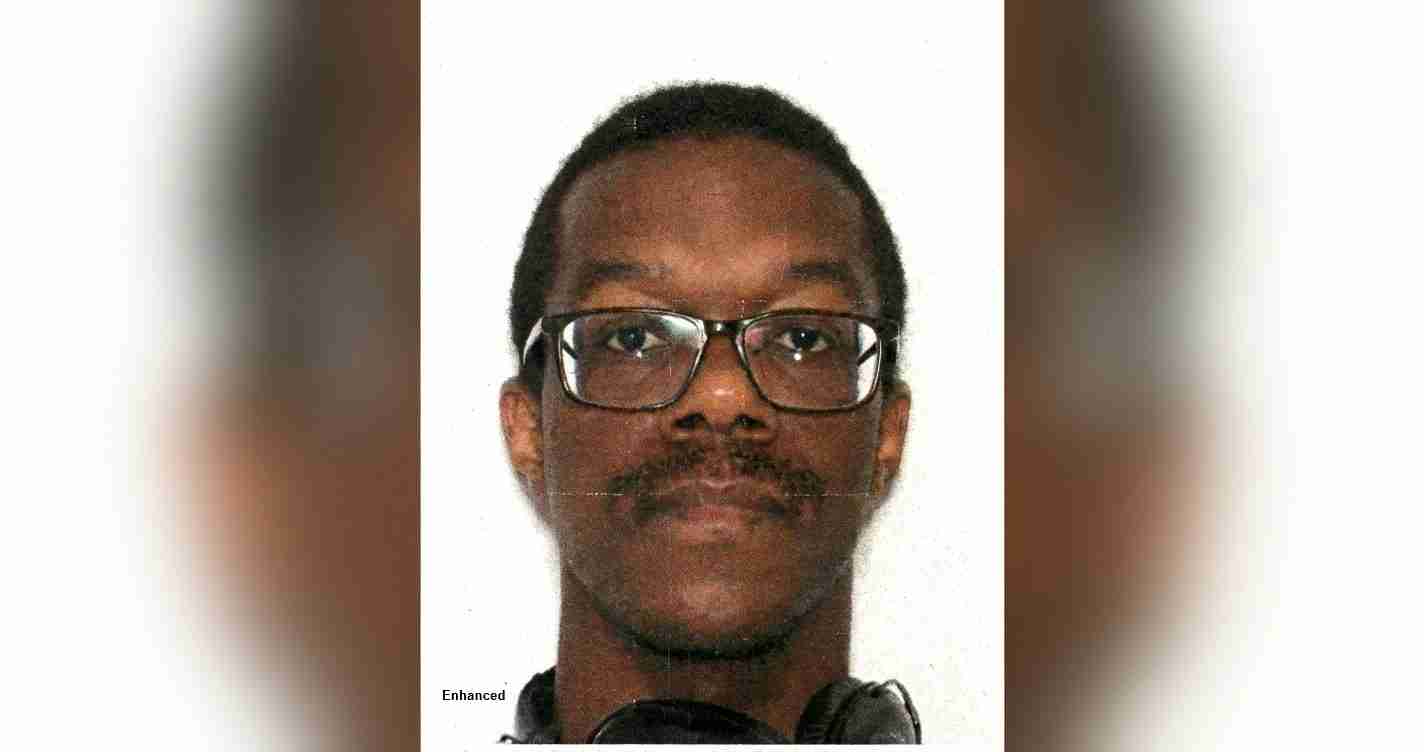
Jake Tapper pipe bomb gaffe draws fire after Brian Cole Jr. arrest in D.C. pipe bomb case
CNN anchor Jake Tapper misidentified Brian Cole Jr. as a white man on air, then corrected himself after a released photo showed Cole is Black; the arrest connects to pipe bombs outside RNC and DNC headquarters on Jan. 5, 2021.
Key takeaways
- Arrest: Brian Cole Jr., 30, of Woodbridge, Virginia, was arrested in connection with pipe bombs placed outside RNC and DNC headquarters on Jan. 5, 2021 — see DOJ/FBI press coverage.
- Charges: Cole faces federal counts including transporting an explosive device in interstate commerce and malicious destruction by means of explosion under 18 U.S.C. § 844 (see DOJ/FBI press coverage).
- Tapper gaffe: On The Lead, Jake Tapper described the suspect as a “white man,” then corrected and apologized on air after authorities’ images showed the suspect is Black (coverage: Fox News coverage).
- Investigation: Officials said the arrest grew from years of FBI analysis and evidence review rather than a single new tip (see DOJ/FBI press coverage).
Main content
Arrest, charges and the probe’s timeline
Federal officials announced the arrest of Brian Cole Jr., who is charged with transporting an explosive device across state lines and with malicious destruction by means of explosion under federal law, 18 U.S.C. § 844. The charges relate to explosive devices left outside the Republican National Committee and Democratic National Committee headquarters in Washington on Jan. 5, 2021, the night before the Jan. 6 Capitol breach. For official details see DOJ/FBI press coverage.
At a Justice Department and FBI news event, investigators emphasized that the case reflects long-term investigative work. Officials said the bureau examined digital records, surveillance footage and other materials collected in the immediate aftermath of the devices being placed, and that the current announcement ties together existing material with new analysis rather than crediting a single fresh tip. Authorities cautioned the probe remains active and additional charges could follow (source: DOJ/FBI press coverage).
What Jake Tapper said — and later corrected
On CNN’s The Lead, host Jake Tapper opened the segment by describing the suspect as a “30-year-old white man from the DC suburbs,” then read the charges against him. Minutes later, CNN aired an official photo that clearly showed Brian Cole Jr. is Black. The visual contradiction prompted immediate criticism; Tapper returned to the screen, acknowledged the mistake and apologized on air. The exchange is visible in network coverage (see video of the segment and Fox News reporting).
Context matters: Tapper’s verbal description came before public rollout of images and while officials had not described the suspect’s race. That sequence — description followed by contradictory imagery — fueled criticism from rival outlets and commentators who argued the error illustrated careless reporting on race.
How the FBI described the breakthrough
Officials described the arrest as the result of “good, diligent police work” and careful review of existing evidence.
At the DOJ/FBI event, investigators said staffers examined long-collected materials and new analyses to connect leads accumulated over nearly five years. They stressed there was no single new tip that cracked the case and warned the probe remains active; more developments or charges are possible (see DOJ/FBI press coverage).
Media reaction and political framing
Tapper’s mistake and subsequent correction were amplified across media outlets. Conservative commentators and outlets used the misstep to question mainstream media credibility and to argue that anchors sometimes ascribe race without sufficient verification. International broadcasters and rivals highlighted the correction as a journalistic lapse; Fox News prominently covered the apology (see Fox News coverage).
From a media-watch perspective, the episode raises questions about on-air verification standards and whether reporters should avoid describing suspects’ race before images or official descriptions are available. For viewers skeptical of national outlets, the incident reinforced existing doubts about editorial checks, especially during live segments.
Legal stakes and what lies ahead
Cole faces federal explosive-related charges that carry potentially long prison terms, though exact sentences depend on statutory ranges, specific counts, and case developments. The DOJ noted the investigation is ongoing, and prosecutors could bring additional charges as evidence is further examined. Defense counsel, if engaged, will have opportunities to contest evidence and seek to mitigate exposure (source: DOJ/FBI press coverage).
Implications for Redding, California
Economic impact
The arrest is unlikely to directly affect Redding businesses. However, renewed attention to Jan. 6–related plots and prosecutions can increase demand for security-related services and products nationwide, which could indirectly benefit local companies selling safety equipment, cybersecurity services, or legal consulting. Firms tied to federal contracting or security grants may see modest upticks as agencies prioritize unresolved cases (context: FBI/DOJ emphasis on long-term investigations).
Political consequences
For conservative readers in Redding, the Tapper error and subsequent coverage feed into debates about media trust and bias. Local campaigns and officials may cite national narratives when discussing law enforcement and federal agencies; the episode could be used by conservative leaders to argue for media skepticism, promote local media literacy, or call for clearer national-anchor standards on criminal reporting.
Social effects
Residents who follow national security probes may feel reassured the FBI pursued unresolved cases. Simultaneously, the on-air error could deepen distrust among those who perceive mainstream media as careless or partisan. Community leaders and faith groups may see renewed conversations about political violence and the need for temperate civic discourse.
Cultural relevance
In Redding’s conservative-leaning community, the incident may reinforce norms that value accountability and skepticism of large institutions. Local media, radio hosts and civic groups might use the episode to discuss national coverage standards and press for swift corrections when errors occur.
Practical applications for residents
Voters and civic groups should track the federal case through verified DOJ statements and court filings rather than rely solely on televised commentary. Those concerned about media accuracy can clip and share the on-air exchange and official images to local forums to spur discussion about verification standards. Local officials communicating with state and federal agencies may request clearer lines of communication on high-profile investigations affecting public safety.
Source material and where to read more
End of article — additional reporting and court documents expected as the case proceeds.



