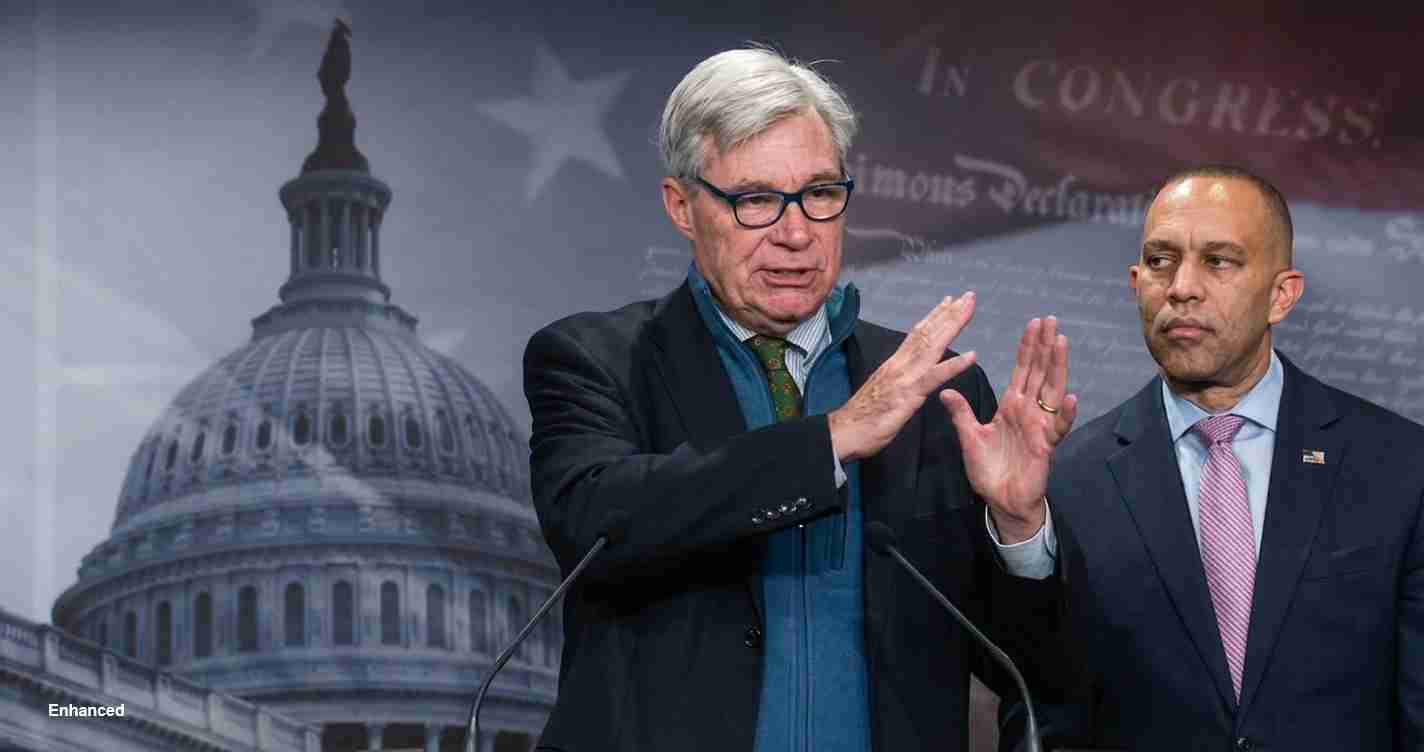
White House Calls Senator Whitehouse a ‘Victim’ of the “Green New Scam” After Funding Fight Over COP30 Trip
Senator Sheldon Whitehouse faced a sharp White House rebuke after he said Senator Marco Rubio refused funding for his COP30 trip; a spokeswoman called him a “victim” of the so-called “Green New Scam,” underscoring deep partisan climate fights.
- Funding flap: Whitehouse says he was denied travel funding for COP30, prompting public criticism and a White House spokeswoman’s rebuke.
- White House line: Taylor Rogers said Whitehouse “fell victim” to the “Green New Scam,” echoing conservative critiques of progressive climate plans.
- Conservative pushback: Energy-backed groups seized on praise of the Chinese pavilion to argue international climate talks are ineffective.
- Local stakes: The national fight could affect federal climate funding, local projects, and political messaging in places like Redding, California.
What happened at COP30
Senator Whitehouse traveled to COP30 in Belém, Brazil, where he participated in events focused on climate action and cooperation. Reporting shows he engaged with international delegates and publicly praised elements of the meeting as part of his push for stronger climate policy and U.S. engagement abroad. Coverage of COP30 noted discussions on technology, carbon capture and international cooperation.
The funding dispute and fallout
After the trip, Whitehouse said he sought help securing funding from Senate colleagues and that Senator Marco Rubio declined. That exchange ignited criticism from conservatives and a sharp rebuke from the White House, framing Whitehouse’s stance as having been misled by what they called the “Green New Scam.” Reporting on the episode cites Steve Ahlquist’s reporting.
White House response and the “Green New Scam” phrase
White House spokeswoman Taylor Rogers used unusually blunt language, saying Whitehouse had “fallen victim to the biggest scam of the century: the Green New Scam.” That phrasing deliberately riffs on the Green New Deal and mirrors longstanding conservative criticism that such sweeping proposals are impractical or too costly. The choice of words signals how politicized climate policy rhetoric has become in Washington. Steve Ahlquist’s reporting documents the exchange.
“Fallen victim to the biggest scam of the century: the Green New Scam.” — Taylor Rogers, White House spokeswoman (as reported)
Conservative criticism and the China angle
Daniel Turner, chief of Power the Future (an energy industry-backed group), criticized Whitehouse for praising the Chinese delegation’s pavilion at COP30 and used the episode to argue international climate gatherings are ineffective. Turner’s critique taps into broader conservative concerns about global competition and whether cooperation with countries like China yields enforceable climate progress. Steve Ahlquist’s reporting documents these criticisms.
Whitehouse’s position and climate advocacy
Senator Whitehouse has been a persistent voice for stronger climate action in Congress, advocating measures such as carbon pricing, tighter emissions rules, and sustained international cooperation. Supporters say his attendance at COP30 and outreach to delegates — including meetings with representatives from China — reflect a pragmatic approach to problems that require coordinated global responses. Reporting and analysis reference Steve Ahlquist’s reporting and Japan Times coverage of COP30.
Broader partisan climate policy fight in Washington
This episode is part of a larger partisan battle over climate policy. Democrats pressing for aggressive action view international meetings and funding as necessary to build coalitions and set global rules. Many Republicans and conservative groups see such efforts as costly, ad hoc, or harmful to U.S. competitiveness. With the 2024 election cycle in view, these disputes are likely to be amplified and used as campaign messaging tools. Steve Ahlquist’s reporting provides context on the political framing.
Assessing the claims: what is clear and what is not
Available reporting establishes several points clearly: Whitehouse attended COP30, engaged with international delegates, said Senator Rubio would not fund his trip, and received a sharp rebuke from a White House spokeswoman who used the “Green New Scam” language. However, some details remain limited in public reporting — for example, the precise exchange between Whitehouse and Rubio over funding and the full context for what Whitehouse praised about the Chinese pavilion. Primary reporting on these gaps comes from Steve Ahlquist’s Substack and The Japan Times.
Implications for Redding, California
Economic impact
- Federal funding battles could reduce grants or redirect programs that support wildfire resilience, flood control, and infrastructure upgrades in local communities.
- If supporters of international engagement secure funding, northern California firms could win contracts for clean-energy projects, grid upgrades, or wildfire mitigation work.
Political consequences
- In conservative-leaning areas of Redding and Shasta County, messaging that frames climate policy as the “Green New Scam” may resonate with voters worried about energy costs and federal overreach.
- The episode could sharpen campaign messaging, with local candidates using national disputes to argue for or against broader climate mandates.
Social effects
- Changes in federal climate funding can affect public services for wildfire preparedness, public health, and environmental programs that residents depend on.
- Partisan back-and-forth can deepen local divisions between residents who prioritize urgent climate action and those who fear economic disruption from broad federal policies.
Cultural relevance
Redding’s community values — including self-reliance, local control, and economic stability — shape responses to national climate debates. The “Green New Scam” label may appeal to residents prioritizing jobs and affordable energy, while wildfire-impacted communities may still support targeted investments that reduce local risk.
Practical applications for residents
- Monitor changes in grant opportunities and state-federal programs that fund wildfire mitigation, irrigation, and infrastructure; local governments may adapt project plans accordingly.
- Homeowners and small businesses could see effects from shifts in energy policy — including incentives for solar, EVs, or changes in rebates.
- Local leaders should seek clarity from federal and state agencies about which programs are secure and which may be at risk as partisan debates continue.
Sources and further reading
- Steve Ahlquist, “Senator Whitehouse reports on his…” Substack
- Japan Times, coverage of COP30 and climate discussions
- Ai Group, COP28 update and broader climate diplomacy context
Note: This article preserves reported facts and original sources; readers seeking full transcripts or deeper primary documentation should consult the linked reporting directly.