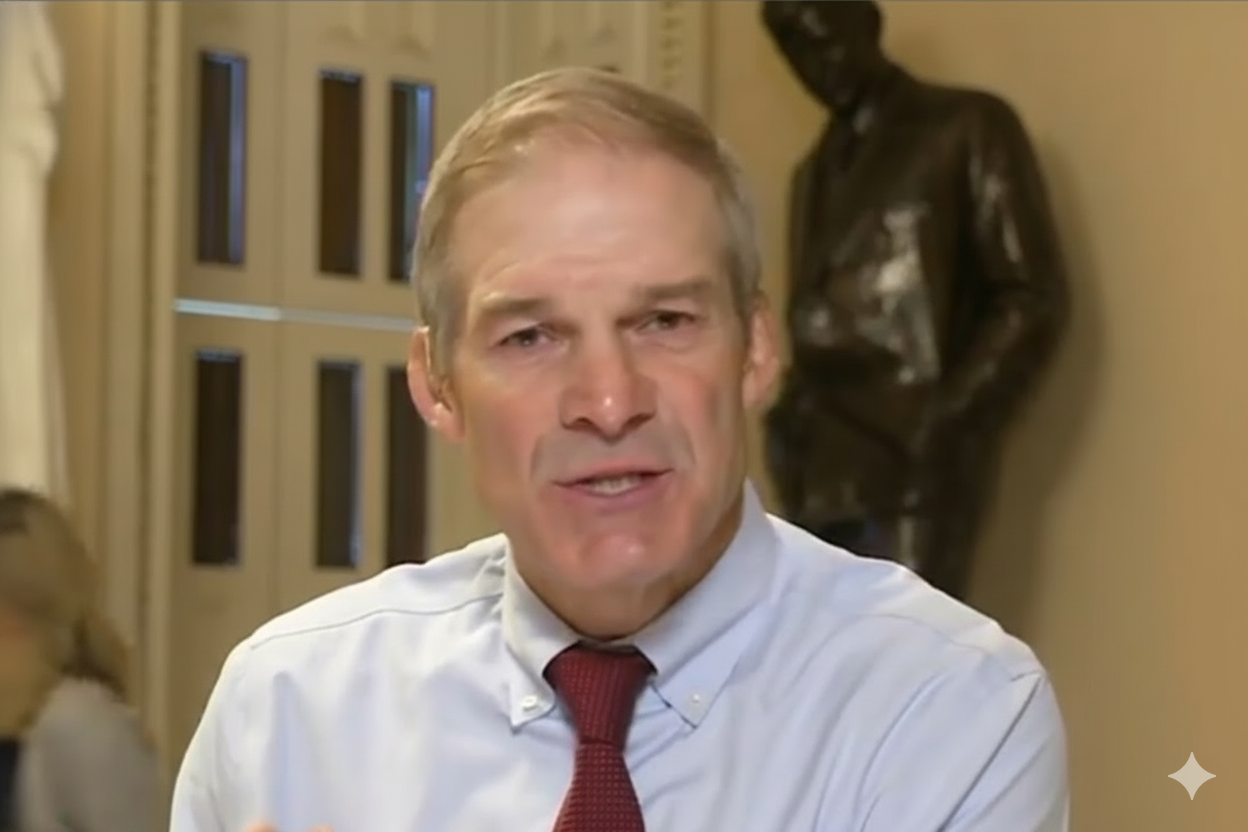
DOJ Subpoenaed Jim Jordan’s Phone Toll Records in 2022; Questions Raised About Congressional Independence
The Biden Department of Justice subpoenaed Rep. Jim Jordan’s personal phone toll records covering Jan. 1, 2020 through mid‑2022 under an “Arctic Frost” probe, provoking fierce debate over executive power and congressional independence, raising questions about oversight norms nationwide.
- Scope: DOJ sought toll‑record metadata for Jordan and three other redacted numbers from Jan. 1, 2020 through mid‑2022.
- Carrier compliance: Verizon was ordered to produce records and complied.
- Secrecy: The subpoena carried a one‑year gag order preventing disclosure at the time it was served.
- Legal and political fallout: Republicans argue the move threatens Speech or Debate protections; Congress has pressed telecoms for answers.
What the subpoena asked for
The order sought phone toll records — metadata that shows who called whom, timestamps and call duration. Toll records do not reveal the words spoken or message contents. This distinction is important; reporting reporting emphasizes that the material requested was metadata only. The subpoena also covered three other phone numbers that were redacted in public reporting reported.
Who issued the subpoena
A federal prosecutor at the Department of Justice signed the order in 2022. That prosecutor later joined Special Counsel Jack Smith’s team; however, Smith was not the official who issued Jordan’s subpoena and was appointed seven months after the subpoena was served, according to reporting reporting.
Verizon complied
The carrier named in the order was Verizon. Public accounts indicate Verizon provided the requested toll records to the DOJ. Verizon has said it has worked with congressional committees to explain its handling of such requests and to cooperate with oversight inquiries, as noted in follow‑up coverage by Politico.
A gag order and secrecy
The subpoena included a one‑year gag order signed by a D.C. magistrate judge that prevented Verizon and others from informing the target or third parties that records had been sought. There is no public record that Rep. Jordan was notified at the time; details of the gag order and timing emerged later in coverage reported.
Connection to the “Arctic Frost” investigation
The subpoena was part of a DOJ inquiry investigators labeled “Arctic Frost.” That probe examined efforts related to the 2020 election and the Jan. 6, 2021, attack on the U.S. Capitol and later fed into Special Counsel Jack Smith’s broader election‑related work and indictments reported.
How this compares to other requests
Reporters describe the Jordan subpoena as possibly the most expansive known request to a sitting member of Congress within these inquiries, given its >2‑year span and inclusion of multiple phone numbers. Other members and former officials — including former House Speaker Kevin McCarthy and multiple Republican senators — were also targeted for records in similar timeframes, according to coverage reported and noticias.
DOJ’s public position
Special Counsel Jack Smith has maintained that subpoenas tied to his investigation were consistent with DOJ policy and narrowly tailored; he has also emphasized he was not involved in the Jordan subpoena itself because it preceded his appointment, as noted in public statements and reporting reported.
Congressional and industry fallout
Political response: The disclosure prompted strong pushback from Republican lawmakers and renewed calls for oversight of DOJ practices — critics say broad subpoenas for a lawmaker’s records threaten the separation of powers and could chill congressional oversight reported.
Industry response: Telecommunications companies stress they balance lawful requests with customer privacy; Verizon says it cooperated with lawful demands and has engaged with Congress to be transparent about compliance, as covered by Politico.
Legal questions and protections for lawmakers
Republicans argue subpoenas for lawmakers’ records may implicate the Speech or Debate Clause, which protects legislative acts. Legal experts disagree on whether metadata such as toll records — which can mix official and private communications — are shielded by that clause. The debate is expected to continue in congressional hearings and potentially in the courts, as lawmakers seek clearer limits on executive‑branch access to legislative materials reported.
Implications for Redding, California
Economic impact: Local telecoms and businesses in Redding may monitor changes to subpoena rules; any reforms could bring clearer standards and added compliance costs, or spur companies to strengthen privacy protections.
Political consequences: In conservative Shasta County, news of the subpoena is likely to reinforce concerns about executive overreach and spur calls for stronger legal barriers to similar demands.
Social effects: The story may heighten distrust of federal investigative tools locally and drive civic engagement — from town halls to county supervisor meetings.
Practical steps: Residents should review communication privacy settings, learn what metadata can reveal, and contact members of Congress for clarity on how lawmakers’ records are handled. Local legal clinics and civil‑liberties groups may hold informational sessions.
Legal perspective (quote)
“Subpoenas targeting members of Congress raise complex constitutional and oversight questions — particularly when metadata can reveal both official and private contacts.”
Sources and further reading
Reporting for this piece reviewed public accounts and statements from news outlets and oversight materials. Key sources include:
- Fox News: “Biden DOJ subpoenaed Jim Jordan’s phone records covering more than two years”
- Fox Noticias (Spanish)
- AOL News
- YouTube news segment
- Politico: coverage of congressional follow‑ups and telecom requests
Reporting note
This article preserves original facts, timelines and source URLs from public reporting and congressional materials. Journalists and local leaders in Redding will continue to monitor developments as lawmakers press for answers and any legal challenges proceed.
Highlight: For readers tracking oversight and privacy implications, note that toll records can reveal patterns of contact even without content — a central point in the debate over scope and protections.