
Trump administration stays silent as massive Ukraine corruption scandal rocks Zelenskyy’s inner circle
A sprawling $100 million embezzlement probe has ensnared President Volodymyr Zelenskyy’s inner circle, prompting ministerial resignations while investigators unveil thousands of wiretapped hours — yet the Trump White House has issued no public comment on the affair.
- Allegations: Tymur Mindich is accused of orchestrating a roughly $100 million embezzlement and kickback scheme tied to Energoatom; reporting and court filings cite extensive wiretaps and payment trails (ABC News).
- Investigation: Ukraine’s NABU and SAPO led a 15-month probe with more than 1,000 hours of intercepted communications that investigators say show influence over energy ministry decisions (ABC News).
- U.S. reaction: The Trump administration has not publicly commented on the probe or subsequent resignations, a silence that raises questions about oversight of U.S. aid and political support.
Key information
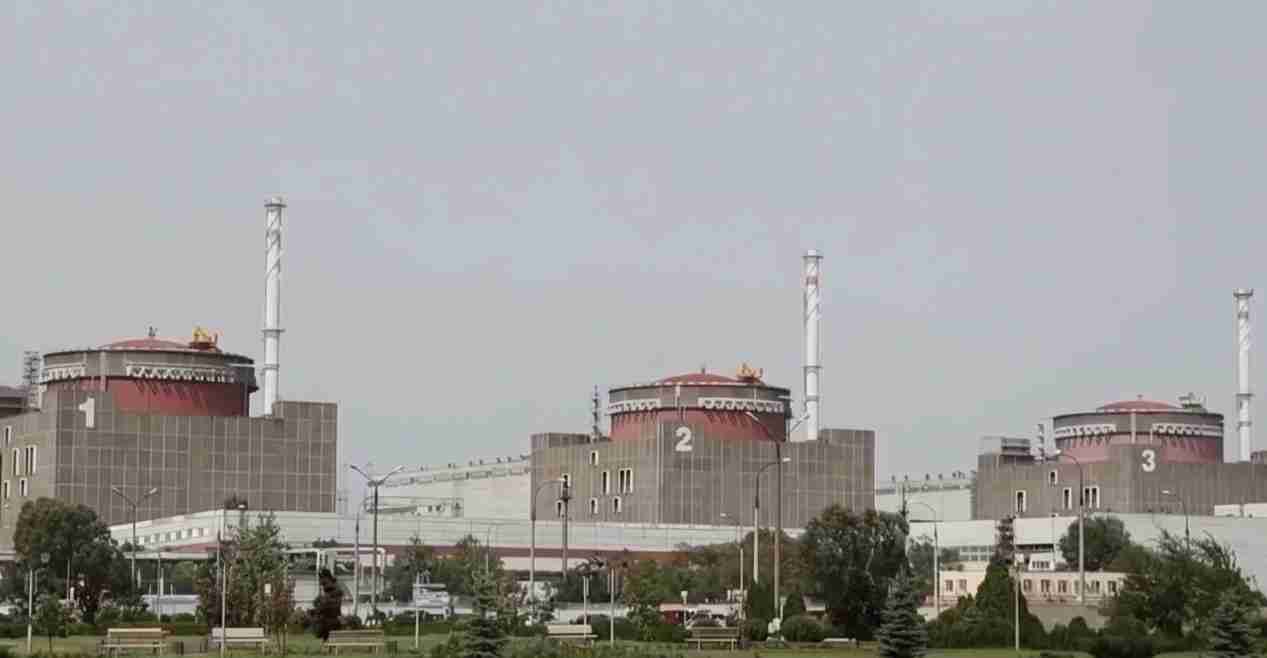
Primary suspect: Investigators say the case centers on Tymur Mindich, a longtime business partner and close associate of President Zelenskyy. Mindich is accused of orchestrating a large embezzlement and kickback scheme tied to Ukraine’s state nuclear energy company, Energoatom (ABC News).
The National Anti-Corruption Bureau (NABU) and the Specialized Anti-Corruption Prosecutor’s Office (SAPO) led a roughly 15-month probe. Officials say investigators logged over 1,000 hours of wiretaps that appear to show Mindich’s reach into government ranks, including contacts with senior energy officials (ABC News).
Following publication of investigative findings, two senior ministers resigned. Mindich reportedly fled Ukraine and could face trial in absentia, according to prosecutors and reporting (ABC News).
The scandal at the center
The investigation focuses on Tymur Mindich, who was once a co-owner of Zelenskyy’s Kvartal 95 production company and later became influential in the Ukrainian energy sector. Prosecutors allege Mindich used those ties to demand kickbacks from contractors working with Energoatom, Ukraine’s state nuclear operator (ABC News).
“Investigators say the communications and financial trails show a pattern of influence and illicit payments that permeated parts of the state energy apparatus,” prosecutors told reporters.
Scope of the probe and resignations
NABU and SAPO spent roughly 15 months building the case. Investigators say the wiretaps—totaling over 1,000 hours—capture conversations about personnel, procurement and contract allocations. Those recordings form the backbone of the charges being pursued (ABC News).
Political fallout: Two senior ministers resigned after the findings were published, including an energy minister who later assumed the justice portfolio before stepping down — signaling significant political damage and sparking debate about reform progress amidst wartime governance (ABC News).
How the alleged scheme worked
Prosecutors describe a system in which contractors awarded state contracts for Energoatom were pressured to pay a fixed percentage—reported up to 15%—to intermediaries linked to Mindich. Payments were routed through shell companies to obscure their origin and ultimate recipients.
According to investigators, funds then circulated back to Mindich’s circle and cooperating officials. Officials contend the payment patterns and intercepted communications provide strong circumstantial evidence tying the network to irregular contracts and misappropriated funds (ABC News).
Political connections to Zelenskyy
Mindich’s relationship with President Zelenskyy dates to the pre-political years, when he was a co-owner of Kvartal 95, the production company behind Zelenskyy’s entertainment career. Prosecutors say that early business tie later helped Mindich gain access to state decision-making after Zelenskyy assumed the presidency (ABC News).
The revelations raise questions about how quickly preexisting business relationships can translate into government influence — a sensitive issue for Western partners demanding transparency and reform.
Wartime risks and energy-sector vulnerability
The alleged corruption touches a critical sector: nuclear energy. In wartime, when the energy grid and fuel security are under strain, corruption in procurement or oversight can create serious safety and operational risks. Officials warn that misdirected funds and shoddy contracts could imperil plant operations.
The affair highlights a broader tension: fighting an external aggressor while confronting internal governance failures. For allies who provide aid, the scandal tests trust and the assumption that resources are used to strengthen, not weaken, state functions.
US response — the Trump administration silence
Notably, the White House under President Donald Trump has not issued a public statement about the embezzlement probe or the ministerial resignations. The silence has drawn criticism from watchdogs and observers who see anti-corruption commitments as foundational to continued U.S. support.
Analysts suggest the lack of comment could be a diplomatic choice, caution pending verified evidence, or a desire to avoid interfering in Ukraine’s legal process. Still, the absence of an official U.S. reaction invites questions about whether oversight or new conditions on aid will follow (ABC News).
What investigators and activists say
Ukrainian anti-corruption bodies involved in the probe argue that wiretap transcripts and transaction records form a coordinated narrative of siphoned funds. Civil society groups and opposition figures have called for independent audits, greater transparency at state firms, and firmer steps to block intermediaries from steering contracts.
Allied governments and watchdogs say they expect prosecutions to be fair, transparent and verifiable, and many urge that any legal proceedings include clear documentation that can restore donor confidence.
Implications for Redding, California
Economic impact: Redding readers concerned about federal spending may view the alleged $100 million scheme as a reason to press for stricter oversight of U.S. aid and to demand audit mechanisms that ensure taxpayer dollars are used as intended.
Political consequences: The Trump administration’s silence could prompt local leaders and voters in Shasta County to urge members of Congress to seek briefings, attach conditions to aid, or require third-party audits to protect fiscal accountability.
Social effects: Veterans, faith groups and civic organizations in Redding may organize forums or town halls to discuss how federal spending priorities intersect with values of integrity and national security.
Practical actions for residents: Constituents can ask elected officials: Will future aid to Ukraine require third-party audits? Will the administration press for extradition or cooperation in prosecutions? Are new conditions or reporting requirements attached to assistance?
Sources
Reporting and official statements cited in this article include coverage from ABC News: “Shadowy dealmaker, time Zelenskyy associate, accused in Ukrainian corruption probe.”


