
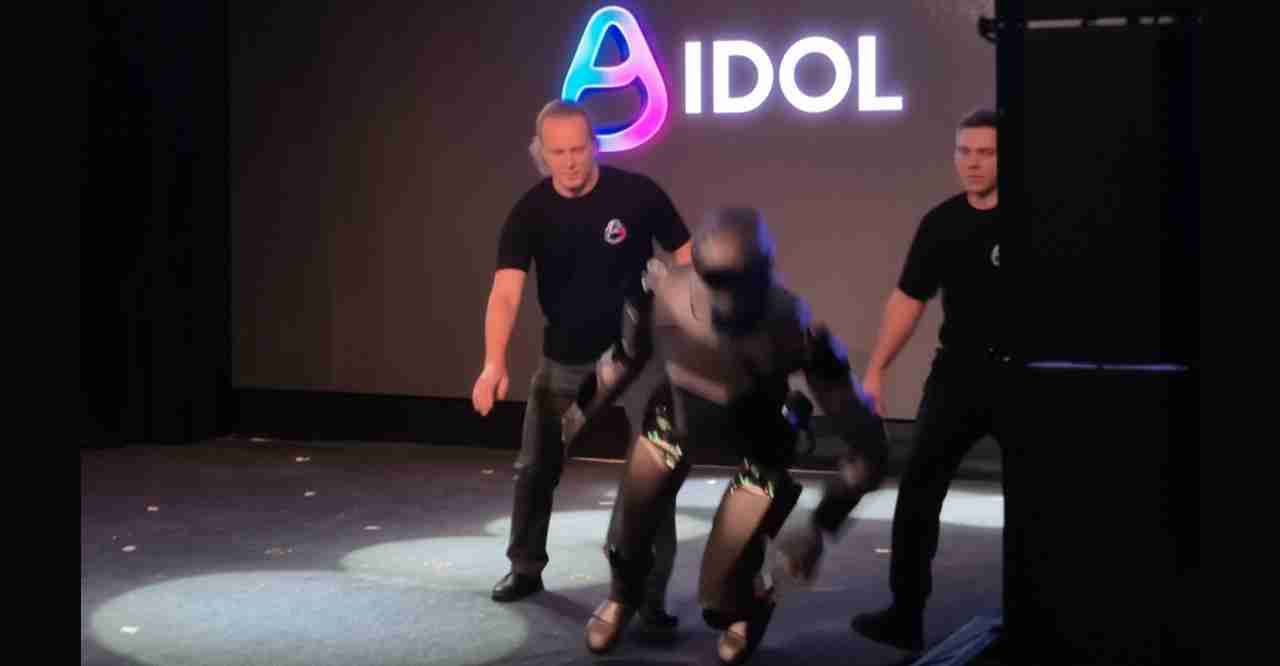
Russia’s AIDOL robot falls on Moscow stage — a high-tech stumble that underscores Russia robotics struggles
Russia’s first AI humanoid, AIDOL, collapsed during its high-profile Moscow debut on Nov. 12, 2025, a malfunction captured on video that went viral and intensified scrutiny of Russia’s robotics programs amid sanctions and talent losses.
- Public debut: AIDOL (reported also as “Aldol”) toppled seconds after stepping onto a Moscow stage during a tech forum on Nov. 12, 2025.
- Cause cited: Engineers blamed calibration errors and stage lighting disrupting stereo cameras and motion-control software.
- Wider meaning: The fall intensified questions about supply chains, sanctions and brain drain affecting Russia’s robotics ambitions.
What happened on stage
The unveiling was intended as a showcase of a mainline Russian humanoid effort. AIDOL, about 1.7 meters tall, walked onstage to the theme from the film Rocky. Seconds later it lost balance, pitched forward and hit the stage face-first — an awkward, widely captured moment.
Immediate reaction: Security and support staff pulled a black curtain around the robot to shield it from cameras while technicians assessed the hardware. Developers later said the curtain protected sensitive components and prevented further public footage during diagnostics.
Developer and official responses
Project CEO Vladimir Vitukhin framed the incident as part of development:
“A good mistake becomes knowledge, and a bad mistake becomes experience.”
Engineers pointed to calibration errors and the robot’s stereo cameras being sensitive to dim and variable stage lighting, which they say disrupted its motion-control algorithms.
Why the stumble matters
One failed demo can be a normal testing setback, but in context it amplified concerns about Russia’s ability to field reliable humanoid systems at scale. Observers noted:
- Humanoid robotics relies on visible, repeatable demonstrations to attract investment and talent.
- Sanctions limiting access to high-end sensors and chips, plus emigration of engineers, complicate development.
- Public showcase pressure can expose systems that perform well in labs but not in uncontrolled environments.
Media coverage and online reaction
Video clips and memes spread rapidly. Coverage mixed technical analysis with ridicule, and commentators used the episode to discuss Russia’s tech trajectory. Outlets and forums that covered the incident include:
- WION
- Slashdot
- CNN-News18
- Fox Business
- YouTube channels posted slow-motion breakdowns and technical speculation.
Broader context: sanctions, supply chains and brain drain
Russia’s industrial and defense sectors have historically depended on imported components and specialized tooling. Sanctions have restricted access to some Western-made chips and sensors, prompting efforts to develop domestic substitutes — a process that takes time. Concurrently, many engineers and technologists have left Russia for roles abroad, depleting experienced talent pools.
Why conservative readers should take notice
For a conservative audience, the AIDOL stumble is more than mockery. It highlights strategic lessons: the importance of reliable supply chains, domestic manufacturing, realistic program management and workforce retention. The episode reinforces arguments for continued investment in U.S. tech and defense capabilities to maintain competitive advantage and security.
Implications for Redding, California
Economic impact
- Local industries — agriculture, manufacturing, logistics and healthcare — should monitor global robotics advances; many innovations will come from Japan, South Korea, China and U.S. firms rather than Russia.
- Redding contractors and manufacturers are reminded to diversify suppliers and favor resilient domestic options for sensors and processors.
Political consequences
- The incident can support calls for sustained investment in U.S. tech and defense manufacturing at local and national levels.
- Local leaders may push workforce training programs to retain engineering talent and support veterans and students pursuing technical careers.
Social effects and cultural relevance
- Public perception of robots may shift toward pragmatic expectations; the fall serves as a teaching moment about iterative design and testing.
- Redding’s community culture, which values practical outcomes over spectacle, may prefer investments that yield clear jobs and services.
Practical applications for residents
The AIDOL event is not a direct setback for practical robotics uses locally. Recommendations for Redding agencies and organizations:
- Healthcare: Focus on reliable, proven robotic systems for logistics and remote monitoring rather than experimental humanoids.
- Wildfire response: Prioritize tested unmanned systems for mapping, drone surveillance and hazardous-task support.
- Workforce training: Community colleges and trade schools should expand curricula in robotics, machine vision and controls to develop hands-on troubleshooting skills.
Sources and further reading
Reporting and analysis for this story drew on developer statements released at the event and on public footage of the AIDOL debut. Key external sources:
- WION
- Slashdot
- CNN-News18
- Fox Business
- YouTube (general video analysis)
Additional reporting included project statements and publicly available footage from the AIDOL debut; sources and outlets above were consulted for context and reaction.



