
Iran’s Water Crisis Threatens Cities, Cuts to Government Power and Could Weaken Nuclear Program, UN Expert Warns
Iran faces its worst drought in decades, with reservoirs and groundwater collapsing under multi-year dry conditions, threatening cities, essential services and even large national projects — including parts of its nuclear program — officials warn.
Key takeaways
- Multi-year drought and mismanagement have pushed reservoirs and aquifers to critically low levels across Iran.
- Tehran at risk: Main dams in mid-2025 were near ~14% capacity, raising the prospect of service collapses and rationing.
- State vulnerability: U.N. experts warn of “water bankruptcy” that could weaken governance, fuel unrest and hinder large projects including parts of the nuclear program.
- Local lessons: Regions like Redding, California, should bolster storage, efficient irrigation and migration/emergency planning.
What’s happening on the ground
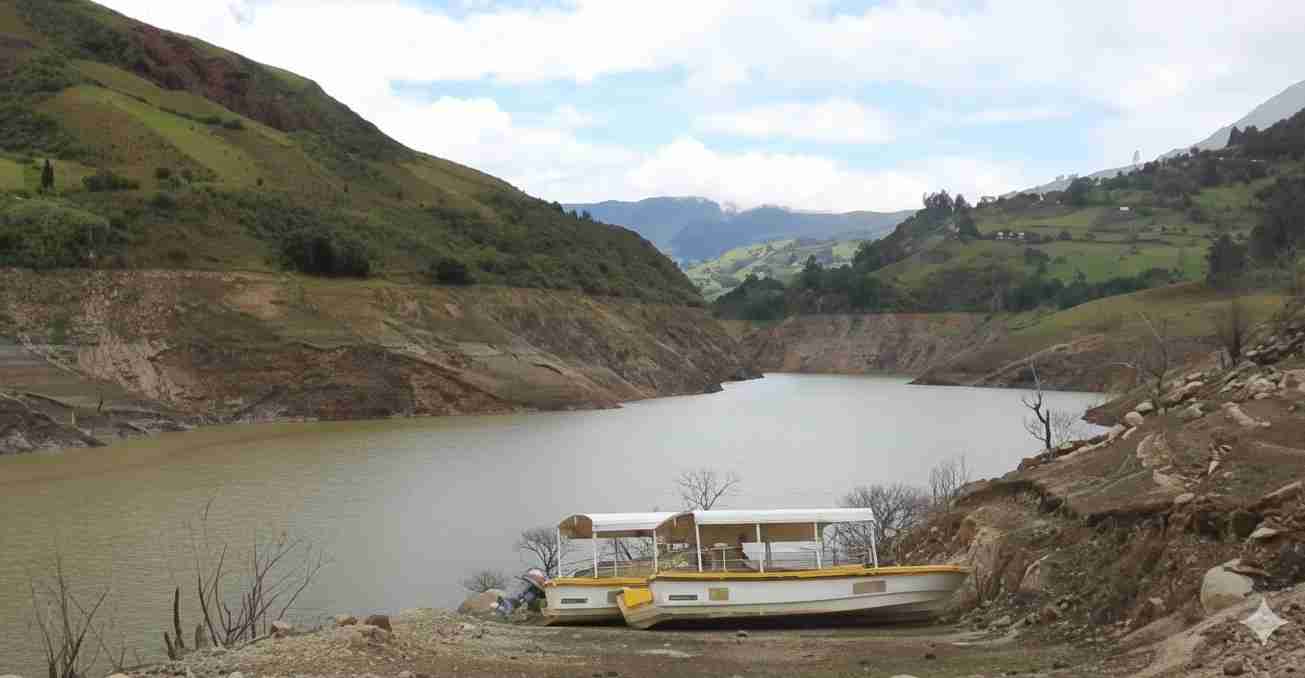
Iran’s dry years have stacked into a national emergency. Rainfall has fallen far below long-term averages across wide swaths of the country. The capital region has been hit especially hard: Tehran Province recorded its fourth straight year of drought in 2024 and moved into a fifth drought year by 2025. The shortfall has left dams and reservoirs dangerously low — officials reported main dams near Tehran at about 14% capacity in mid-2025, levels that make daily life and basic services fragile if the trend continues.
Drivers: natural drought and man-made failures
Officials and outside experts describe the crisis as a blend of prolonged natural drought and policy choices that have rendered the system brittle. Decades of policies favoring agricultural self-sufficiency, large irrigation projects and rapid groundwater pumping have drawn down aquifers. Agriculture consumes roughly 90% of Iran’s water, much of it delivered through inefficient methods that waste scarce resources.
Groundwater loss and infrastructure strain
Observers estimate Iran has lost approximately 74 cubic kilometers of groundwater since 2002. That loss has caused land subsidence, soil salinization and the collapse of some wells and local systems. The physical impacts — damaged roads, buildings and pipes — raise repair costs and make urban life harder to sustain.
“Water bankruptcy” is used by analysts to describe regions and systems that have exhausted reliable sources and cannot meet basic needs without external supplies or dramatic change.
Government response and emergency measures
The government has moved to ration water and launch engineering projects. In Tehran, authorities have imposed stricter rationing and ordered up to 12-hour cutoffs targeting the highest-consuming households. Large works — such as the Qamar Bani Hashim ring pipeline and inland desalination pipeline plans — are underway but remain incomplete and will take years to affect supply at scale.
Political and social consequences
Public confidence in officials is fraying: a 2025 survey cited by analysts found about three-quarters of Iranians blamed domestic mismanagement for the crisis. That erosion of trust fuels a risk cycle: protests and unrest make coordinated response harder, and weaker governance slows infrastructure projects, raising costs and delays.
Security and programmatic impacts — including the nuclear program
International observers, including U.N. experts, warn that prolonged water and power failures could undermine the state’s capacity to sustain energy- and water-intensive projects, including parts of Iran’s nuclear program. When utilities and logistics falter, industry and military operations feel the strain — reducing the state’s margin for handling political crises.
Evacuations and the prospect of “water bankruptcy”
President Masoud Pezeshkian said publicly that without significant rainfall, mass evacuations of major population centers could become necessary — an extraordinary measure in modern Iranian history. Analysts caution that “water bankruptcy” would force regions to rely on external supplies or dramatic changes to remain habitable.
Agriculture and rural decline
Rural Iran faces deep pain: depleted wells, shrinking yields and collapsing farm economies. Massive over-extraction of surface and groundwater has made farming less viable in many provinces, pushing migration to cities that already struggle for water and services — intensifying urban strain and potential political tensions.
What the government is doing
Iranian authorities have stepped up rationing, expanded wastewater recycling plans and started major pipeline and desalination projects to move coastal water inland. These efforts show the state is responding, but most projects are incomplete. For example, a ~1,000+ kilometer pipeline project to bring desalinated water inland is about 10% complete and years from affecting the hardest-hit regions.
Sources and analysis
This reporting compiles published summaries, statements from Iranian officials and analysis by outside observers, including the Times Media Service. Key source material includes the reference Water scarcity in Iran and analysis such as Why Iran is running out of water, power and patience.
Implications for Redding, California
The Iran crisis underscores how dependent large projects and local economies are on steady water supplies. For Redding — with farming, timber and outdoor recreation sectors — the lessons are practical and urgent: protect local storage, invest in efficient irrigation and plan for migration and emergency response.
Economic impact
Protect water storage and reduce water intensity in local businesses. Invest in efficient irrigation and water-sparing technologies to preserve jobs tied to agriculture and timber.
Political consequences
A government seen as unable to manage water risks losing public trust. Redding’s stakeholders should press for long-term water planning, clear accountability on infrastructure spending and pragmatic, locally controlled solutions.
Social effects
Migration from rural areas to cities can heighten urban strain; Redding should coordinate housing, emergency services and programs to support rural resilience.
Cultural relevance
Water underpins family farms, small towns and outdoor traditions central to the Redding region. Conservative values of stewardship, property rights and community self-reliance align with policies encouraging conservation and targeted incentives.
Practical applications for local leaders and residents
- Prioritize investment in water storage and maintenance of dams, canals and pipes to prevent leakage and subsidence.
- Encourage modern irrigation via targeted grants or tax incentives to reduce agricultural water use.
- Support wastewater recycling where cost-effective and prepare emergency rationing plans for extreme years.
- Coordinate housing and migration planning with county and state partners to handle population shifts tied to drought.
- Promote community education on household conservation and wildfire-safe landscaping that reduces water needs.
Source links for reference
Conclusion: This unfolding Iran water crisis and the Tehran scarcity case illustrate how quickly a resource shortfall can affect cities, farms and national strategy. For communities like Redding, the stakes reinforce the need for sober stewardship, strong local control and practical investment to protect water and the services that depend on it.


