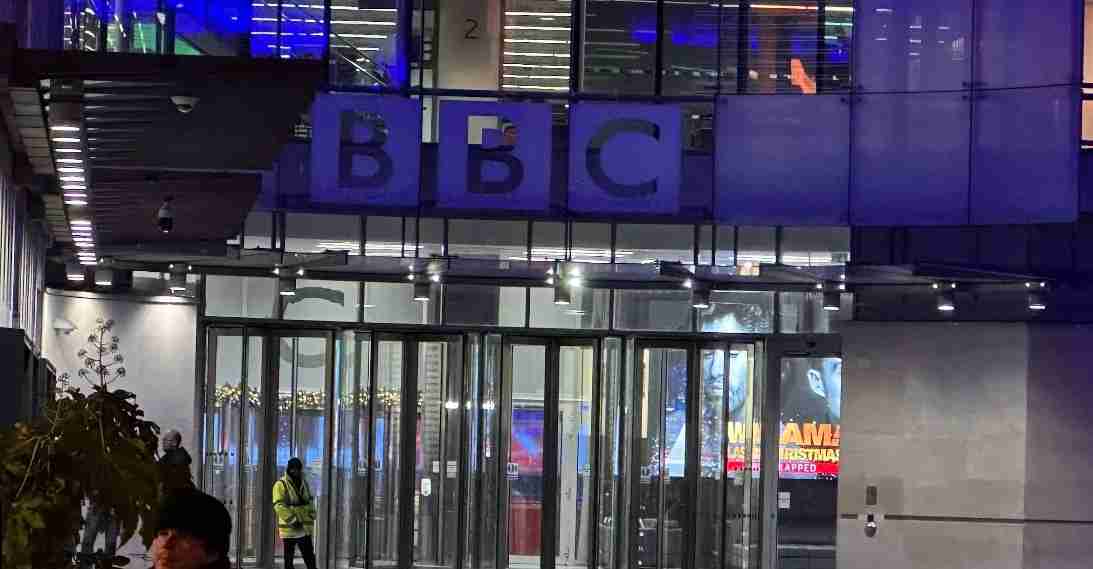
BBC Director-General Tim Davie and UK News Chief Resign After BBC Trump Speech Editing Scandal
BBC Director-General Tim Davie and the broadcaster’s UK news chief resigned after a BBC documentary omitted Donald Trump’s call for a “peaceful protest” on January 6, 2021, triggering accusations of misleading journalism and calls for accountability.
- Leadership resignations: Tim Davie resigned and the BBC’s UK news chief also stepped down amid the controversy (source).
- Editorial lapse: Critics say the documentary omitted Trump’s explicit call for a “peaceful protest,” creating a misleading impression of the January 6 remarks (source).
- Public backlash: Trump press secretary Karoline Leavitt denounced the BBC as “100 percent fake news,” intensifying pressure for transparency (source).
What happened
A BBC documentary segment replayed parts of Donald Trump’s January 6, 2021 speech. Critics allege the broadcast omitted a line in which Mr. Trump urged supporters to pursue a peaceful protest, a removal that opponents say altered context and tone.
The edit prompted swift backlash from commentators, political allies of the former president, and some journalists who argued the omission made the footage appear more inflammatory. The incident has become central to debates over editorial standards at the BBC (source).
Resignations and internal accountability
Tim Davie resigned as director-general, and the BBC’s UK news chief also stepped down. Observers described the departures as an effort by BBC leadership to accept responsibility and attempt to restore public trust.
Public reporting highlights a broader management accountability issue: the resignations signal that senior leadership considered the editorial lapse serious enough to require top-level change. Details about the internal review, editorial decision-making, and immediate successors remain limited (source).
Reactions and fallout
“100 percent fake news” — Karoline Leavitt, Trump press secretary
The former president’s camp reacted quickly. Karoline Leavitt publicly condemned the BBC as “100 percent fake news.” That denunciation amplified calls for transparency and added political pressure on the broadcaster (source).
Conservative commentators stressed the need for clearer editorial standards and oversight, arguing such errors fuel distrust in major news organizations. Conversely, some media and academic voices defended the BBC’s institutional procedures while urging transparent correction of mistakes.
Questions about editorial process
The controversy raises concrete questions:
- Who authorized the documentary’s final cut and what editorial checks were applied?
- Was removing the “peaceful protest” line an oversight, production decision, or deliberate edit?
- What safeguards will be implemented to prevent a similar lapse?
Publicly available reporting has not yet answered these questions in full, contributing to ongoing skepticism and debate (source).
Why this matters for media trust
High-profile editorial mistakes shape broader discussions about bias and accuracy. For audiences already skeptical of mainstream media, incidents like this one serve as proof points for claims of systemic bias and deepen partisan divides.
When a global broadcaster is accused of presenting a misleading edit involving a charged political event, it undermines trust and gives political actors grounds to demand reforms, transparency, and sometimes policy changes affecting public broadcasting (source).
Implications for Redding, California
Though the BBC controversy is international, it carries local implications for Redding residents, media consumers, and civic life.
Economic impact
- Local media and advertising: While unlikely to directly affect ad revenue, the episode may push readers toward trusted local outlets, potentially increasing local engagement.
- Tourism and perception: Indirect ripple effects may influence how international audiences perceive U.S. and British reporting about local events.
Political consequences
- Local discourse: Conservative leaders and talk hosts in Redding may use the controversy to argue for media skepticism and oversight.
- Campaign messaging: Candidates aligned with conservative voters could cite the episode to question national and international media trustworthiness.
Social effects
- Trust in media: The controversy may deepen existing divides in information ecosystems, making it harder for officials to rely on national outlets for public messaging.
- Civic engagement: Residents may turn more to local groups, social platforms, or alternative sources—boosting local engagement but raising misinformation risks.
Cultural relevance
Redding’s conservative-leaning community values accountability and skepticism of centralized authority; the BBC resignations resonate with those values and may be framed locally as proof public institutions must answer to the public.
Practical applications for residents
- Choose trusted sources: Cross-check major news across multiple reputable outlets and seek primary-source materials when possible.
- Community forums: Local leaders and newsrooms can host panels to discuss media trust and transparency.
- Support local reporting: Subscriptions or civic support can strengthen reliable coverage of local issues.
Source
The reporting and details in this article draw from publicly posted material documenting the controversy (video and related commentary): video and related commentary