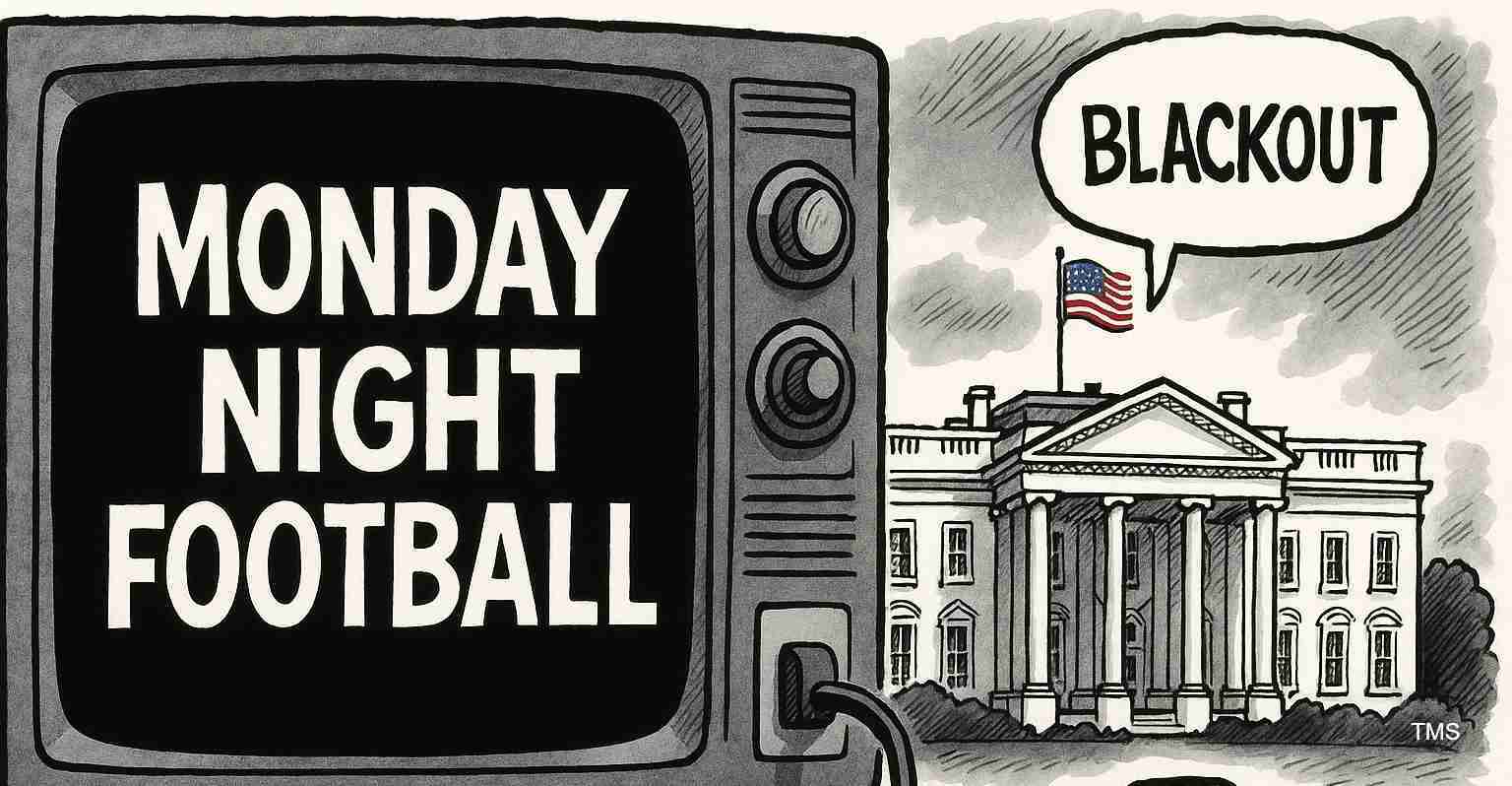
Washington Post rebukes Warren after senator blames Trump for Monday Night Football blackout amid Disney–YouTube TV dispute
Senator Elizabeth Warren drew criticism after blaming President Trump for a Monday Night Football blackout that stemmed from a private Disney–YouTube TV carriage dispute, a commercial negotiation rather than a government action, The Washington Post and media commentators noted.
Key takeaways
- Carriage dispute: A private negotiation between Disney and YouTube TV caused a temporary blackout of Disney-owned channels, including ESPN — interrupting Monday Night Football and affecting viewers.
- Senator’s remarks: Senator Warren linked the blackout to President Trump in a recorded message; the remarks are available as the YouTube video of Warren’s remarks and reporting.
- Editorial pushback: The AOL-summarized Washington Post editorial said the blackout resulted from private contract talks, not presidential decisions.
- Industry context: Media commentators noted carriage disputes are routine business practice and do not necessarily indicate government negligence.
What happened
Television viewers who subscribe to YouTube TV briefly lost access to Disney-owned networks — including ESPN — during a carriage dispute between Disney and the streaming service. The blackout interrupted scheduled sports programming, most notably Monday Night Football, prompting frustration among viewers who rely on streaming for live sports.
Cause of the outage
The problem arose from private negotiations over carriage rights and fees between two major companies, not from any federal government action. Carriage disputes like this periodically occur when content owners and distributors bargain over licensing terms and bundles. For a compiled report on company-side developments and streaming adjustments, see reporting compiled at AOL.
Warren’s comments and the reaction
Senator Elizabeth Warren used the interruption to make a broader point about corporate power in a recorded message posted online. She warned viewers they “might not be able to watch Monday Night Football tonight” and added, “When companies get too big, they have the power to cut off your favorite channels. That’s what’s happening here. And what’s Trump done about it? He’s let them get away with it.”
“When companies get too big, they have the power to cut off your favorite channels. That’s what’s happening here. And what’s Trump done about it? He’s let them get away with it.” — Senator Elizabeth Warren
Her remarks quickly drew scrutiny. The Washington Post editorial board pushed back, arguing the blackout was the result of private-sector negotiations and not presidential action or inaction. The Post warned that framing the episode as a government failure risks misleading the public and inviting unnecessary regulatory responses; coverage summarizing that editorial is available via AOL. The senator’s video is viewable on her channel: senator’s public remarks.
The Washington Post editorial
The Washington Post editorial board emphasized two points: (1) the blackout grew out of contract talks between Disney and YouTube TV; and (2) government interference in private carriage disputes would be inappropriate and could undermine market competition. The Post urged readers to see the episode as a commercial carriage dispute rather than evidence of presidential dereliction; see the editorial summary at AOL.
Industry context and expert commentary
Carriage disputes are a longstanding feature of the television and streaming business, typically centered on distributor fees and channel bundles. When negotiations stall, channels can be pulled until a new agreement is reached. Industry watchers and commentators stressed that occasional friction is normal and that attributing such disputes to political leadership conflates separate roles in the economy; see coverage at AOL.
Why this matters to viewers and voters
For many Americans, the blackout was an immediate annoyance — missing live sports that viewers had planned around. For policy observers, the dispute touches on market concentration, content distribution, and consumer protections. Editorialists like The Washington Post warned against turning routine business disagreements into calls for government action, highlighting the risk of regulatory overreach.
Implications for Redding, California
Economic impact:
- Local bars, restaurants and viewing venues that rely on live sports can see immediate revenue loss when games are unavailable.
- Households frustrated by outages may switch providers or reconsider subscription choices, affecting local spending patterns.
Political consequences:
- Conservative voters in Redding may view the episode as a reminder that market disputes are distinct from government failures; the Post’s rebuttal of Warren could reinforce skepticism about regulatory responses (AOL).
- Local leaders may argue for consumer choice and market solutions rather than expanded regulation of media companies.
Social and cultural effects:
- Blackouts disrupt community rituals tied to big-game nights and can affect fundraisers and youth events.
- Repeated disruptions could push viewers toward private watch parties or alternative streaming options, changing local game-day culture.
Practical applications for residents
To reduce the risk of missing a game:
- Check provider status ahead of big games by visiting your service’s official updates.
- Consider alternatives: local venues often advertise which services they use; an antenna can provide over-the-air access for some games; league or network streaming apps can be a backstop.
- Trust reputable reporting: view the senator’s remarks on her channel (YouTube video of Warren’s remarks) and read summaries of the Post’s editorial at AOL.
- Make your voice heard: contact companies and elected officials to express preferences about service reliability and industry transparency.
Reporting and accountability
Residents who value accurate, fact-based discussion should expect leaders to distinguish private-sector disputes from government policy failures. The Washington Post editorial’s pushback on Senator Warren’s remarks illustrates why careful attribution matters in public debate and why market disputes are often best resolved in the marketplace.
Sources and transparency
This account draws on the senator’s public remarks and media reporting about the Disney–YouTube TV dispute. The senator’s comments were published on her channel and are viewable here: YouTube video of Warren’s remarks. Coverage summarizing The Washington Post editorial and industry reactions is available at AOL.