
NGOs sue federal agencies to curb ship strikes off California coast, seeking new shipping lanes and speed limits
Two environmental NGOs sued NOAA Fisheries and the U.S. Coast Guard seeking rerouted shipping lanes, mandatory speed limits and federal plans to reduce vessel noise and pollution to curb fatal ship strikes on endangered whales off California’s major ports.
- Plaintiffs: Center for Biological Diversity press release and Friends of the Earth release.
- Defendants: National Marine Fisheries Service (NOAA Fisheries) and the U.S. Coast Guard (see plaintiffs’ filing in the Center for Biological Diversity release).
- Remedies sought: Rerouted lanes away from whale hotspots, enforceable speed reductions, and federal plans to cut underwater noise and vessel emissions (see regional reporting: Active NorCal).
Lawsuit filed and venue
Oakland, California — Two prominent environmental organizations, the Center for Biological Diversity and Friends of the Earth, filed suit in the U.S. District Court for the Northern District of California challenging federal oversight of commercial shipping lanes and their impacts on endangered marine species. The plaintiffs ask the court to require comprehensive federal review and protective actions. (See the Center for Biological Diversity press release and the Friends of the Earth release.)
What the lawsuit says
The complaint argues federal agencies have not met obligations under the Endangered Species Act to analyze and mitigate harm from commercial vessel traffic to threatened and endangered marine mammals and sea turtles. Plaintiffs contend shipping lanes that funnel cargo ships into and out of major ports—including Los Angeles, Long Beach and San Francisco—overlap with whale habitats, increasing risks of vessel collisions (“ship strikes”) and exposing animals to chronic noise and exhaust pollution. (Press materials: Center for Biological Diversity; Friends of the Earth.)
Remedies sought
Plaintiffs ask the court to compel federal agencies to:
- Reroute shipping lanes away from known whale hotspots such as the Santa Barbara Channel and approaches to San Francisco Bay.
- Impose enforceable speed limits in sensitive areas to reduce collision risk.
- Develop federal plans to reduce underwater noise and vessel emissions.
Regional reporting and plaintiff statements outline these requests in detail (see Active NorCal and the Center for Biological Diversity).
The human and environmental toll cited
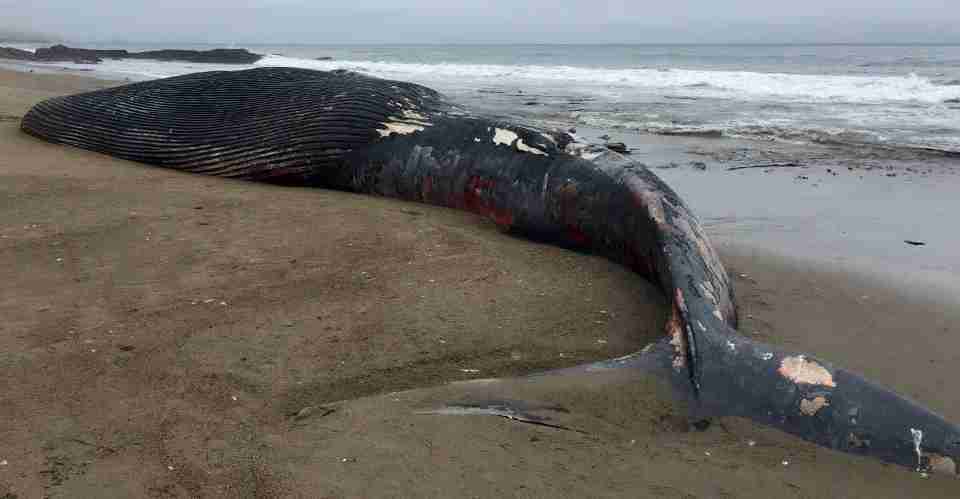
Conservation groups point to a spike in whale deaths along the coast in 2025. In the San Francisco Bay Area alone, at least 10 gray whales were confirmed killed by probable ship strikes this year; advocates warn the real toll may be higher because many carcasses sink or go unreported. Scientists estimate as many as 80 whales annually may be killed along the U.S. West Coast by ship strikes, and some studies suggest observed deaths may undercount losses by up to 20 times. (Reporting: Active NorCal; NGO statements: Friends of the Earth.)
Advocates’ statements
David Derrick of the Center for Biological Diversity: “A decent plan for routing and slowing ships down is long overdue, and this federal foot-dragging has been deadly for whales.”
Hallie Templeton of Friends of the Earth: “Whales are dying preventable deaths. It shouldn’t take another lawsuit to make agencies do their jobs.”
(Source statements: Friends of the Earth; Center for Biological Diversity.)
Background: ship strikes, past measures and agency roles
Ship strikes have been recognized as a threat for decades. NOAA offices have documented the risks and supported voluntary measures such as slowdown advisories and routing recommendations in feeding and travel areas. Conservationists argue voluntary steps are insufficient and press for binding federal action. (See the NOAA resource on ship strikes and plaintiffs’ materials: Center for Biological Diversity.)
The complaint names National Marine Fisheries Service (NMFS) — charged with marine mammal protection and enforcing the Endangered Species Act — and the U.S. Coast Guard, which oversees maritime safety and ship routing, alleging both failed to complete required analyses or adopt adequate protective measures.
Requested changes and practical trade-offs
The remedies proposed would alter commercial shipping off California. Rerouting lanes could add transit miles and mandatory speed reductions would slow cargo movements—both potentially increasing shipping costs and delivery times. Port operators, shippers and industries warn economic impacts must be weighed against conservation benefits. (Context: Center for Biological Diversity background; overview: Star Concord.)
Agencies’ response and current status
As of Oct. 29, 2025, no court ruling or settlement had been reported. Public statements from NMFS or the U.S. Coast Guard addressing this specific complaint were not available in the plaintiffs’ filings or press notices reviewed. Major outlets cited in plaintiffs’ releases did not report an agency response in the public record referenced here. (See plaintiffs’ releases: Center for Biological Diversity; Friends of the Earth.)
Shipping lanes, whale protection and science
The filing highlights mapped overlap between vessel tracks and whale migration or feeding routes. Scientists and conservation groups point to mapping that shows frequent commercial vessel crossings of seasonal whale habitat and argue that better routing and enforceable speed limits would reduce fatal collisions and chronic stress from noise. Opponents caution rerouting could be costly, create navigational challenges, and must balance security and freight efficiency. (See NOAA ship strike materials and NGO filings: Center for Biological Diversity.)
Implications for Redding, California
Economic impact: Redding is inland, but residents and businesses could feel ripple effects. Slower ships or longer routes might raise freight costs and shipping times for goods moving through Los Angeles, Long Beach and San Francisco ports—affecting prices, manufacturers relying on imports, and agricultural exporters. (Context: Center for Biological Diversity background.)
Political consequences: The lawsuit could trigger federal rulemaking or court orders that become a political issue in Northern California; local leaders may press for economic impact studies or compromises that protect shipping reliability while improving marine safety.
Social and cultural effects: Logistics, trucking, agriculture and manufacturing workers could experience indirect effects; other residents may support conservation efforts as part of the state’s environmental identity.
Practical applications for residents
Local elected officials and business groups in Redding may consider:
- Tracking the court case and proposed federal rules to assess likely economic impacts.
- Requesting formal economic analyses from state or federal agencies before mandatory changes are imposed.
- Advocating targeted protections that minimize costs—such as seasonal speed zones only when whales are present or investments in whale-detection technology.
- Engaging with state lawmakers to seek mitigation or support if port changes increase costs or delays.
(Background on voluntary measures and science: NOAA ship strike resource.)
Reporting note and sources
This article draws on plaintiffs’ press releases and regional reporting. Primary sources include the Center for Biological Diversity press release, the Friends of the Earth statement, regional reporting at Active NorCal, and broader coverage (see Star Concord). Background on ship strikes from NOAA.



