
Deadliest Day in Gaza Since Ceasefire: Israel Launches Wave of Airstrikes After Accusing Hamas of Truce Breach
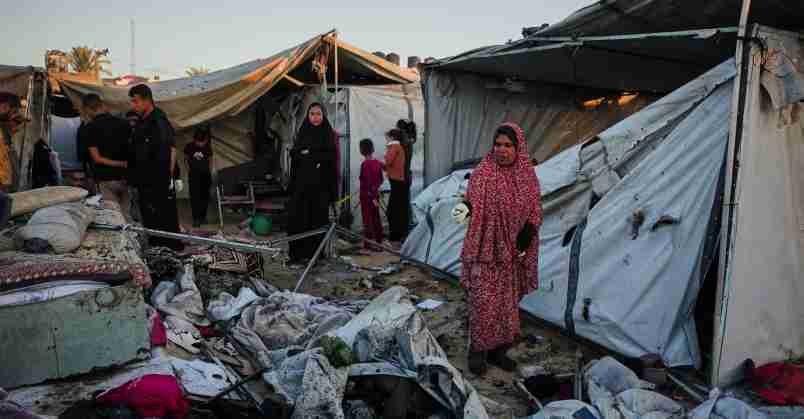
On May 15, 2025, Israeli airstrikes made May 15 Gaza’s deadliest day since the March ceasefire, killing at least 143 people as Israel accused Hamas of breaching the truce, prompting a rapid and wider military offensive.
Key takeaways
- May 15, 2025: At least 143 reported deaths in Gaza — the highest single-day toll since the March ceasefire (source: source).
- Trigger: Israel said Hamas violated the truce, prompting a major air campaign and later a wider offensive (source: source).
- Wider offensive: Operation Gideon’s Chariots and reservist mobilization began as fighting expanded on May 16 (source: source).
- Information war: IDF-released drone footage alleged staged scenes involving Red Cross representatives; independent verification is pending (source: source).
What happened: timeline and targets
May 15: Israeli jets and drones struck multiple sites across the Gaza Strip. The IDF said strikes targeted Hamas command centers, weapon storage, and militants it accused of breaching the ceasefire. Palestinian health officials reported heavy civilian casualties and damage to hospitals and densely populated areas. Independent on-the-ground verification was limited amid the rapid escalation (source: source).
Operation Gideon’s Chariots and mobilization
On May 16 the Israeli government announced Operation Gideon’s Chariots, expanding operations across Gaza and calling up large numbers of reservists to support ground and air campaigns. Israeli officials characterized the campaign as aimed at degrading Hamas’s operational capabilities (source: source).
Israeli military claims and the drone video
The IDF described the renewed campaign as a measured response to a clear Hamas truce breach. As part of its public messaging, the military released a drone video it said showed Hamas operatives in Gaza City burying a body wrapped in a white cloth and then staging its discovery before Red Cross representatives. Israeli officials presented the footage as evidence that Hamas manipulates aftermaths to generate propaganda (source: source).
“The release comes amid an intense information war where each side accuses the other of propaganda and staged incidents.”
Independent verification of that video has not been reported. Analysts and journalists advise treating such material cautiously and seeking corroboration from satellite imagery, witness accounts, and third-party investigations (source: source).
Civilian toll and strikes on civilian sites
Reports indicate strikes hit areas known to be populated by civilians — hospitals, markets and aid distribution points. The Gaza European Hospital and other medical facilities were reported damaged during renewed operations, which humanitarian groups said hampered aid delivery and medical care for thousands (source: source).
International and humanitarian response
The high civilian toll prompted immediate international concern. Several governments and aid organizations condemned the casualties and urged restraint and protection for noncombatants. Some allied governments questioned potential disproportionate harm; others reiterated Israel’s right to defend itself while calling for measures to reduce civilian suffering (source: source).
Humanitarian agencies warned that shortages of food, water, medicine and shelter were worsening as evacuation orders and strikes displaced tens of thousands. Aid groups reported difficulties reaching civilians due to security conditions and infrastructure damage (source: source).
The broader May 2025 Gaza offensive
The May 15 events fed into an intensified May 2025 offensive, with mobilized reservists and large-scale strikes signaling a shift toward a more comprehensive campaign. Israeli officials emphasized goals of degrading Hamas’s command structure and preventing future attacks on Israeli civilians (source: source).
The offensive and civilian deaths accelerated debate internationally over proportionality, civilian protection and the sustainability of the ceasefire. Some foreign governments warned of possible punitive measures if civilian harm continued; others pursued diplomatic channels to limit violence and restore humanitarian access (source: source).
Facts and verification
Immediate reporting relied heavily on Israeli military statements and Palestinian health authority tallies. Security constraints and chaos after strikes limited independent, on-the-ground verification. Media and human rights groups caution that casualty counts and attributions often change with further investigation (source: source).
The IDF drone footage contributes to the information picture but underscores verification limits in war zones. Analysts recommend reviewing such footage alongside satellite imagery, witness testimony and third-party probes before drawing firm conclusions (source: source).
Implications for Redding, California
Economic and humanitarian engagement: Redding’s faith and humanitarian groups may increase fundraising, volunteer mobilization and advocacy to support civilian aid and medical assistance for Gaza (source: source).
Political and civic response: Redding’s conservative-leaning electorate often values robust defense and support for allies; local leaders may face constituent pressure to uphold Israel’s right to defend itself while others call for rules of engagement that minimize civilian harm.
Security and veterans: With a substantial veteran population, community groups may organize forums, prayer vigils and support events for service members and families. Local officials may emphasize careful intelligence and rules of engagement to limit risks to civilians and personnel.
Media and information environment: The IDF’s drone footage underscores modern information warfare. Local media should stress verification to avoid spreading unverified claims and inflammatory content.
Humanitarian logistics: If aid routes are disrupted, Redding-based NGOs partnering with larger organizations may need to adjust donation and shipment plans and coordinate with federal agencies. Large refugee flows to Shasta County are unlikely but local agencies should be prepared to provide temporary assistance.
Practical local considerations
- Consider civic days of remembrance or fundraising drives to unite the community.
- Local hospitals and emergency services can review protocols to support returning veterans and families affected by overseas deployments.
- Schools and community centers might host informational sessions to explain developments in plain language for families and children.
Source links and verification note
This article compiles reporting and summaries from publicly available sources; the IDF video release, casualty counts, and details of Operation Gideon’s Chariots are reported in that compilation (source: source). Independent verification of some claims remains pending; casualty figures and event accounts may be updated as more information becomes available (source: source).


