
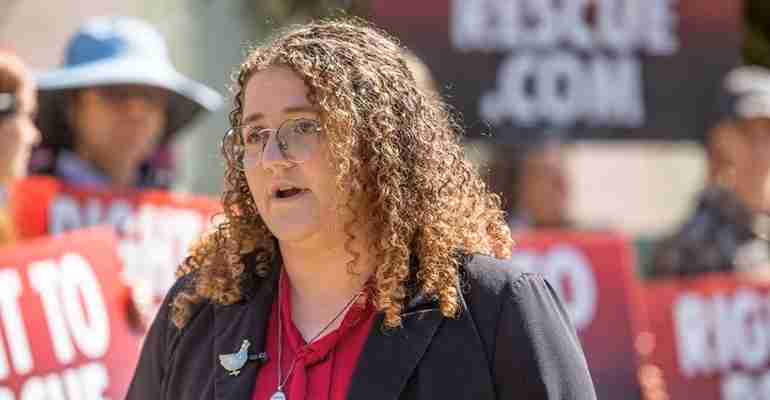
Trial of Zoe Rosenberg over Petaluma Poultry chickens puts slaughterhouses and property rights under the microscope
The Sonoma County trial of animal rights activist Zoe Rosenberg has focused national attention on poultry slaughterhouse practices and the contested “right to rescue” defense after she removed four chickens from Petaluma Poultry in June 2023.
- Defendant: Zoe Rosenberg, 23, UC Berkeley graduate and animal rights activist.
- Incident: She entered Petaluma Poultry and removed four birds she said were sick, filming and posting footage online.
- Charges: One felony conspiracy count and three misdemeanors (theft, trespassing and related allegations) — coverage at ABC News and advocacy detail at Right to Rescue.
- Legal issue: Defense raises a necessity or “right to rescue” theory under California animal cruelty laws; prosecution emphasizes property rights and proper reporting channels (San Francisco Chronicle).
What happened at Petaluma Poultry
Prosecutors say Rosenberg entered the Petaluma Poultry facility in June 2023 and took four birds she later publicized online. Rosenberg recorded footage she says shows birds that were lethargic, caked in feces and injured, and she distributed the video to call attention to conditions inside the plant. Reporting on the incident is available via ABC7 Bay Area and ABC News.
Animal care and veterinary reports
After the removal, veterinarians examined the birds. Reports indicate the chickens were infected with Coccidia parasites; one bird showed respiratory trouble and visible injuries. All four received treatment at an animal sanctuary following the rescue, as documented by Sentient Media and regional reporting in the San Francisco Chronicle.
Charges and potential penalties
Rosenberg initially faced five felony counts. Current charges include one felony conspiracy count and three misdemeanors covering theft, two forms of trespassing and alleged tampering with a vehicle. Court filings and media reporting note that a felony conviction could carry more than five years in prison; see ABC News and advocacy material at Right to Rescue.
Defense: rescue, not a crime
Rosenberg’s attorneys concede she took the birds but argue necessity: removing the animals prevented needless suffering in line with California’s animal cruelty statutes. The defense presents the action as an “open rescue”, a tactic used to document conditions and spur investigations. Coverage and legal context are discussed in the San Francisco Chronicle and ABC News.
Prosecution: law, order and proper reporting
Prosecutors say motivation does not excuse criminal conduct and that allegations of cruelty should be reported to law enforcement or regulators, not handled by private citizens.
The district attorney’s office emphasizes upholding property rights and the rule of law in agricultural settings, arguing that trespass and theft charges address conduct beyond any claimed moral motivation (ABC7 Bay Area; ABC News).
Activism, tactics and precedent
Rosenberg is associated with Direct Action Everywhere (DxE), an activist network known for open rescues where participants remove sick animals to document conditions. Supporters call such acts whistleblowing; critics view them as theft and biosecurity risks. The central legal question is whether a necessity defense can apply when someone breaks into a commercial operation to prevent animal suffering. See background at the San Francisco Chronicle and advocacy reflections at Right to Rescue.
National spotlight on slaughterhouse practices
The case has sparked debate over so-called “humane-washing”, where companies market humane claims while critics say conditions fall short. Animal rights groups are pressing for stronger inspections and accountability at large operations run by firms such as Perdue Farms, which owns Petaluma Poultry; media coverage includes ABC News and reporting from Sentient Media.
Public reaction and courtroom coverage
Social media and activist channels have amplified the story. Some present Rosenberg as a whistleblower; others — including farmers and industry reps — warn that entering facilities threatens biosecurity and worker safety. Courtroom reporting and livestreams have kept the trial in the public eye, with updates on platforms and podcasts such as Our Hen House and trial-related videos on YouTube and YouTube.
Legal stakes beyond the defendant
Observers note the case could set precedent for how courts handle open rescues and whether necessity defenses can excuse breaking into commercial operations to remove animals. A defense victory could encourage similar actions; a prosecution victory could reaffirm limits on private intervention. Coverage and analysis are available at ABC News and Right to Rescue.
Implications for Redding, California
Economic impact
Redding and Shasta County host agricultural and processing operations employing local workers. If legal precedent permits unsanctioned rescues, producers could face increased security costs, higher insurance premiums and production disruptions — ripple effects for local hiring and business stability.
Political consequences
Conservative voters in Redding emphasize rule of law and property rights. The trial elevates debates about prosecutorial priorities, enforcement of animal welfare statutes, and how elected officials balance protections for agriculture with animal welfare concerns.
Social effects and public safety
Community leaders may monitor whether activists travel north to protest or attempt similar rescues. Such incidents could strain biosecurity, worker safety and law enforcement resources. Local officials may need clear plans to protect farms while ensuring legitimate cruelty complaints are handled by authorities.
Cultural relevance
Redding residents often support family farms and personal responsibility. The case forces a cultural conversation between those prioritizing animal welfare as a moral imperative and those prioritizing property and livelihoods. The contested “right to rescue” debate may clash with local preferences for formal complaint channels.
Practical applications for local stakeholders
- Farmers and processors: review security, visitor policies and documentation of animal care to deter unauthorized entry and demonstrate compliance if questioned.
- Law enforcement: prepare guidance on trespass responses, evidence preservation and coordination with state animal welfare agencies.
- Consumers: expect increased scrutiny of labeling and supply chains; buyers may ask more questions about sourcing and animal treatment.
- Policymakers: consider balancing enforcement of animal welfare laws with protections for private property and clear penalties for illegal rescues.
Trial timeline
The trial began Sept. 15, 2025; closing statements are expected this week with a verdict possible in late October, according to reporting at ABC News and updates at Right to Rescue.
Sources and further reading
- ABC News
- ABC7 Bay Area
- San Francisco Chronicle
- Sentient Media
- Right to Rescue (advocacy)
- Our Hen House podcast
- Trial-related video 1 (YouTube)
- Trial-related video 2 (YouTube)
Reporting by Times Media Service.



